Greg: We're in a real estate game. We have seats in the restaurant that we need to fill in a certain amount of time, and we have real estate in people's stomach. I mean, right now I am the president of TPG. Are we still underserved in terms of restaurant? I think so. We're 170 seats. It's a lot of seats to fill. Most Michelin-starred restaurants aren't that big. Is it harder to get a Michelin star or is it harder to keep a Michelin star? There's a lot of pressure on you to keep it because people lose it and that's brutal. What is it about TPG that drew you in to leave something like burnt? A lot of people still think I'm crazy for leaving. Roka took many years and it was an iteration, but they also got hit with every plague, like biblical plague known to man.
Greg: With COVID, a fire, a flood, it was just wild. It's like every day the walls are closing in on you. If I don't do this right, there's 70 people working here. Their livelihood is based on us doing a good job. What's the next concept that Tampa is missing that you guys would love to be the ones to bring?
Stefan: Welcome back to another episode of ASG's Only Agents podcast where we have real guests, real conversations and fake sponsors. As always, I'm Stefan Alvarez, joined by my co-host, Alan Schoenbrunn. And I guess before we get into it, who is our sponsor? Well, it tastes
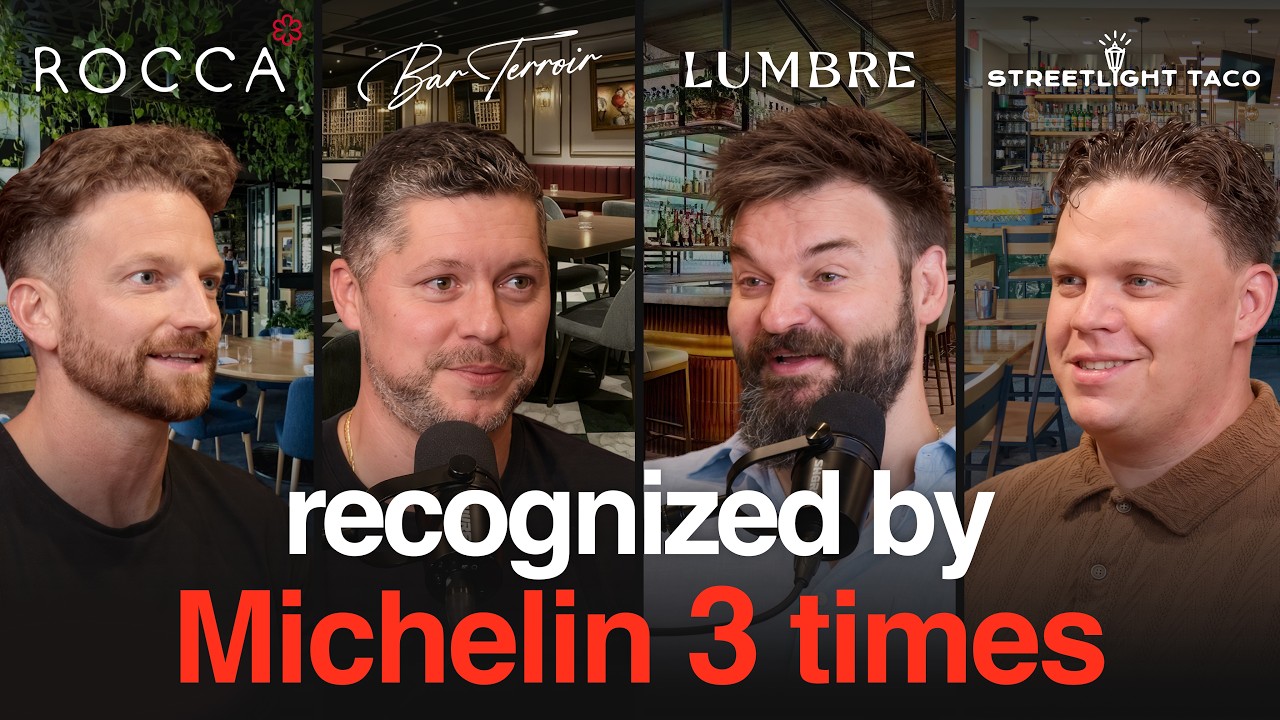
pretty good, it's gonna be the sponsor. And specifically we're at Bartowar, one of their concepts in South Tampa. And I think even more specifically, Dustin, who's the wine director but my favorite song in the world, has brought us a Von Romane wine. Dustin, do you wanna tell us what kind of wine we're drinking? Yeah, so I guess today's episode is sponsored by Von Romane. Nice. We're gonna sip on some pretty good red burgundy here.
This is 2012 Domaine de Veylon Von Romane. It's a single parcel bottling called Le Cartier de Nuit. So one of my favorite things about burgundy, it's a really confusing wine region, is to kinda look for these little pockets of like Grand Cru adjacent things, right?
So this parcel, it's very small. It's bordered by Clos de Vujaux on the north and Echeson on the south. So two Grand Cru's kind of sandwich right between. This was made by the late great Nicholas Patel who we lost last year in 2025. Great lineage of winemakers in the family. Super, super good stuff. And then Alan, I know you're a Von Romane guy, so I figured I'd set the bar high today. This podcast was really just a Trojan horse for Alan to be able to sit down and drink really good red wine with you guys tonight. We have to, with the audience know that it's not early in the morning. It is in the afternoon as we're filming this. Yeah, we passed noon. And it's still technically Labor Day weekend, according to Greg who hasn't slept since earlier this weekend.
Yeah. That's from a flight. Yeah, just a bit of a buffer for the audience. Now, Greg, who the hell are you? That's a loaded question. I mean, right now, I am the president of TPG. I moved down to Tampa in August of 23 because I knew Bryce Bonsack, our culinary director, and I knew Nick Reader from time in New York. I actually worked with Bryce. Bryce was like our prep cook at Blanca, which was a three-person team that got two Michelin stars. It was connected to Roberta's pizza restaurant.
So I have really long history for Bryce. I've known Bryce since, I guess, 2012-ish. And we were best friends right away, and he asked me to come down in 2019 to help them open Roka, him and Nick Orr. And obviously, that was their first venture into Tampa Dining. And I was there for seven months to consult to help them open it up. And like I mentioned before, I went back to New York in, I think it was February 28th of 2020.
So many people were going to New York that time. Such a fun time to go down there. And basically fell into operations because I had to reopen a hotel that I currently had previously had a restaurant at. I had to do everything myself. It was a very weird, unsure time.
So we couldn't really take on much overhead. And we just basically had to figure stuff out. I fell in operations. And then as New York normally does it, it burns you out, especially post-COVID. So Nick, Jack, and Bryce, they had dreams of opening up more restaurants. They needed some help. They needed some, just help with some infrastructure because we were tired of watching good talent leave us because you have one restaurant, people can only get so high and then they want to move on their career.
So we needed a, we wanted an opportunity to incubate and to like obviously get some, get our homegrown talent and have places for them. And we were also just frankly, we wanted to open restaurants that we wanted to eat at. Very selfishly. And that's kind of how TBG formed. And now three years later, we have four concepts of fit going to be opening in the next couple of months. And we're off running pretty excited. But I mean, besides that, I've been a cook. I was a chef in New York for a long time. I started in 2009, I was in finance before that. Went to Wesleyan University, graduated with an econ degree, which is not the normal took path. Not the typical path at all. But it really set me up to when I just had to fall in operations, it just made it really easy because at the end of the day, restaurants are numbers, it's, they're very hard numbers, very slim margins, very hard to do this.
But there's a lot of emotion behind it. And I think that being on the other side of it, coming up through the ranks of just a lonely prep cook to like, you know, sous chef, or chef to party to a sous chef to like an executive chef is it shows you that whole other side. And then when I went into operations, I had to start learning the beverage side. And then, you know, all these things, you just like, you know, you build up your tool, your tool. Like a puzzle, you're putting a puzzle together. Yeah, you just keep adding pieces and then just luckily, you know, I hit things at really right times. I got really good restaurant experience in New York. I mean, my first, my first job in a kitchen was out of Madison Park, which pretty good restaurant.
And I was coming in as a 27 year old cook that didn't know anything. I mean, I came from culinary school, but that's not much. And, you know, I had 19 year old, 20 year old kids running circles around me. And I was like, all right, I'm going to focus on this, get real good. And then, you know, everything led to, you know, TPG and we're pretty exciting. I never thought Tampa would be where I'm going to end up. Like never. Especially after, you know, my first thing here, it was, Tampa was a very different city in 2019. Come along. It's in a short time. It's a very intense restaurant city. Well, it's taking a long time to get here, but then when it's finally started making its trend, it's happening, I think, quickly.
It's happening very quickly. I mean, I mean, you know, having all my experience being New York is, it's hard. Maybe it's not hard to do something new, but it's like, you know, there's so much happening. There's like, Tampa was a city that was like, there's like a burgeoning market and like, I don't know many other places. I mean, COVID did that to a lot of places, but you know, this was like a big, small town that was really, that people wanted to spend money. They wanted to eat good food. Like there just wasn't a, you know, a ton of opportunity for you to do that. I mean, 2019, I went to four different restaurants, that's it. I mean, granted it was, because we were very busy opening Roca, but it was just like, there wasn't the breath that there is now.
And I mean, I continually visited Bryce during, you know, during from 2019 to keep checking up on Roca and visiting it. And like, I saw it just like, you know, mature and get bigger and get more exciting every single time I came down here. And that's why in 2023, when I got the call or like, say, hey, let's do this. It made it a lot easier because I was like, yeah, it's like, Tampa's going places. And like very exciting because it's like, it's a really fun time. Just like how we like love opening restaurants. Like there's a lot of energy there. It's a lot of excitement. Like it's nothing you can't, you can't train restaurant openings because it's brutal. There's tears. There's a lot of like, there's some weight game.
There's some weight loss. It's a, it's a wild time. Yeah, no sleep. No, none. But, you know, we're just very, I think, you know, restaurant people are very emotional people. And like we care a lot about what we do. It's just, you know, just being a creative is just like that. And, you know, to have a city be that where it's like, you know, there's so much opportunity and so much energy coming in here. It's just like, it's a really unique opportunity. Like I'm very blessed and happy that I have the opportunity. You used the word create creative or creativity and I was thinking about that because, you know, instead of trying to open up a concept or multiple concepts in a city like New York or, you know, other established, I think like restaurant markets, do you guys think that Tampa where it's at and it's restaurant scene and it's overall kind of like development as a city, it affords you the opportunity, the ability to be a little bit more creative or push down both a little bit more because it's not so established I guess competing maybe against some of the more established concepts.
Yeah, are Tampa people like, are we still underserved in terms of restaurant? I think so. I mean, to me, it's like, you never can have enough restaurants. Yeah. I mean, you never have enough cuisines, you never have enough experiences, never have never have enough different styles of restaurant, especially, you know, in New York, because it's just everywhere and just what it is. But, you know, I think a lot of people thought of Tampa, especially because of their histories, like there's a lot of chain restaurants. You know, there's a lot of chains that were founded here. Chilies, I mean, Hooters. I think Bonefish Grill. Yeah, well, the Outback Group. Yeah, the whole group. Yeah, they all saw a group.
Yeah, they kind of just saw headquarters. That's so like, there was a lot of people that liked into that. I mean, when I came here, that's what I saw. I didn't see a lot of individuality. I didn't see a ton of like small restaurants trying to do really good things. There were definitely some. I mean, Rooster and the Till definitely, you know, was a early leader of like, doing something really, really creative. Like, in like, I mean, I spoke with him on a little paneling. He said like, this like rent was like, it was the most laughable number I've ever heard for rent in a restaurant, especially come from New York. And he was like, yeah. And he's like, I had a, he's like, I had a sous vide. He's like, I had an induction.
I didn't have a hood. Like, he was doing it like. They were true trailblazers too. Not just the location, but also like the culinary. Like you said, the menu. They have Ash now, right? Is that their second concept? Yeah.
So I mean, they've had a few in between. Like they still have a bunch at their operating. I still dream about the, well, we just had it actually a couple of months ago, I think it's the Cobia collar in that sauce. Yeah. Oh my God. I mean, you know, our biggest hurdle in 2019 was A, telling people we didn't have chicken parmesan at Roca, which is understandable. Our first review, I think was from someone that came in pre-opening and they're like, this place wasn't even open. We got like, once our review, we're like, all right, great. And then I think like within our first five reviews, it was like someone's like, they don't even have chicken parmesan. And then it was like. That might be the unsophistication of the diners in 2019.
Well, you went in full circle, one star to one. But there was star. Yeah, but there was still people that wanted, you know, and like we were also charging for bread because we were making two types of our own bread. We were whipping our own butter. Like it was like, there was a lot of effort that I think maybe wasn't there.
So I mean, we had like weird hurdles that we had to like jump over. But at the same time is like, we were trying to change dining culture into sustenance to experience, you know? And like that's our biggest thing is like, we want you to come in. Obviously, if you just want to come in for a bite and you want to leave, we're cool with that. But like experiential dining is like what we want. Like we want you to feel something when you're in our spaces. We want you to leave happier than when you came. You know, like that's really important to us. And I think people are understanding that. Like people are getting that now. I think people did get that previously, but like we just want to keep pushing the envelope.
And like we could have sold out. We could have just opened and broke us. And we probably would have been fine. It would have been easy. But, you know, me and Bryce and, you know, Nick and Jack, we're like, there's restaurants we want to eat at. There's restaurants, there's cuisines we like. Like we think that Tampa, like here at Bartoire, we're like, we don't know a lot of French dining. Like we think- Yeah, we didn't really have anything like this at all. Like nothing. And, you know, and even street light, you know? We're like, we're like, given the like Latino population, they are like, no one's milling masa. Like, wow. And we're like, Mike, our chef there, Mike Branik was like, he wants to mill his own masa.
He wants to get everything from Mexico as much as possible. Only the Mezcals and Tequila's or especially the Mezcals were like, a planca that he visited in Mexico. So like everything is with intention. Like, you know, we could do stuff just to do stuff, but like that's not what we're about. We're about intention. We're about a lot of thoughtfulness putting into stuff that includes from our wine list or our beverage program to our service models to our spaces. It's just like, you know, we want people to come in here and feel like they're not in Tampa. Yeah. Well, Greg, you're talking about how like special TPG is in general with all the different concepts and it's got to be special. You left New York City in 2023 to come back.
And Dustin, you left maybe the finest wine establishment in the world, definitely North America. And when I heard, I remember I was there the last night that you were serving at Burns and I just couldn't get over the fact that you were leaving Burns to go somewhere else to be a wine director. I get that the opportunity, you know, I didn't understand a little bit. I had to be something really good. Yeah. But what is it about TPG that kind of drew you in? To leave something like Burns. Yeah.
So actually, I got to meet Greg, probably 2022. I think you were down in the evening. We met the best way possible. It's at the bar. He was giving me here. Yeah. Whatever me and Bryce would go and have, you know, a casual three or four bottles of wine between us. As one does at the bar. Yeah. And that's how you meet people and that's how the four, you know, the relationship is formally at the restaurant.
So that was my, you know, first introduction to Greg. And then, you know, through him coming back down, we just kind of always stayed in touch. And then actually last summer, last July, I was out in Phoenix taking my advanced sommelier exam. And I finished up day one and I go back to my hotel room and I pick up my phone and I've got a couple of missed calls from Bryce and Nick Reader. And I'm like, that's weird. It's like, I've been friendly with Bryce for five or six years or so.
And so like, he doesn't just randomly call me, right? So pick up the phone and he's like, hey, do you know anybody be interested in a wine director position with us? And I was like, yeah, sure, let me ask around. And then he asked this other question that I can't remember what it was. And I'm not good at picking up on hints, but I was like, oh, you're asking me, aren't you? Yeah. And then, you know, that kind of got the idea going in my head. And I said, you know, I'm obviously in a stressful spot right now taking this exam that I've prepared 18 months for.
So let me get through this and I was actually going on vacation like two days after that. So it was like, give me a couple of days to think about it. I kind of molded over for a while, got back in Tampa, had some meetings with Greg, Bryce and Nick. And then yeah, ultimately, I think we kind of aligned on their vision of kind of bringing great food and beverage beverage to the Tampa market. And, you know, I envisioned myself probably at Burns for, you know, my career. Yeah. And a lot of people still think I'm crazy for leaving, but I think, you know, now we're kind of starting to kind of see the fruits of all the labor over the last year. But it's probably also just a totally different type of challenge with frozen cons because you're going from a place that has the largest wine cellar.
And so you have people come there, you know, from all over the world. I mean, I have friends in New York City that would fly down for a night, say at the Epicurean for the wine at Burns. Obviously Burns has a great experience and great food, but wine is, you know, I feel like the big pull. And then you're going to start concepts where I mean, what are the challenges when you're coming in and saying, how are we going to source these wines? Our restaurants have not been buying and getting allocated wines for 20, 30 years. Yeah, that's right. Yeah, you was buying power, right? If you leave something. Yes and no.
So, you know, when I was sitting down with Greg, we kind of were talking over some things and I said, well, what about like, are there any restrictions or like, is there a box that kind of need to stay in? And he said, no, basically full autonomy with everything within reason, right? Like don't go out and spend $100,000 on some esoteric thing that we're going to sit on forever, but not yet. Not yet, right. But it's basically like, you know, here are the keys to the car and like, let's see where you can go with it. But also the big shift for me was going from just being a psalm on the floor at Burns to now being in a director position.
So now, you know, all the back office admin, the financial stuff, right? Like all that is now on my plate. So it was. Managing personalities. Managing personalities. Yeah. That's the point. That is something you can never get used to. Yeah. Especially in the restaurant business, yeah.
So that change was, it was a pretty steep learning curve, but it was a quick one, if that makes sense. It's like learning, you know, figuring out how one little decision for a wine by the glass, you know, might affect your top and bottom line and how it all fits into the big, the grand scheme of things. Have you seen that there's been some sort of education with the Tampa consumer? I mean, I remember coming down here in 2020 and looking at a few different menus when I would go out to eat. It was basically, you know, California, California, California. People thought KMS was the greatest, you know, wine producer in the world.
And so I feel like now, especially with all these new concepts, I mean, Roca obviously has a great Italian list. We haven't been to Lumbrae, but my wife and I are actually going on Friday, so we're excited. I mean, are you, obviously with Bar Tauare, there's a lot of French wines, are you, how are you thinking about the consumer and their palate and also the restaurant, their concept and the country of origin and what kind of wines you're wanting, you're wanting to bring? Yeah, I mean, I think in an ideal world, which we all know we don't really live in all the time, I think every restaurant will have its own specific wine program.
So you're curating it around the menu? Exactly, yeah, I think for me, if, you know, it doesn't, the chef's a disservice if the beverage doesn't go with the food, because then why do any of it if it's not going to be one cohesive thing?
So like Roca is all Italian with the exception of like four bottles of champagne. Bar Tauare, we're French-ish, right? So we are French-dominated. We've got some German, Austrian wine, as well as some like classic examples of California wine as well. Lumbre is all Iberian Peninsula, Spain and Portugal. What was your knowledge base of that type of wine? It was, you know, I had a solid base just from studies and then being at Burns, you're around all that stuff all the time. But to get to kind of dive full steam back into it was really, really fun. And I think the consumers and the guests in Tampa have been really open to trying these kind of specific wines to their country and to the concept that we have.
I think, you know, they trust us now, now that Roca's in its seventh year and, you know, Bar Tauare, we're in our second year now. So, you know, TPG has a good trust amongst our guests and they know that when they tell me they drink X that, you know, myself or our team of sommeliers that any restaurant can guide them to kind of where they want to be. So. I guess Roca probably like legitimized a lot of the rest of the concepts. I mean, like you guys have such a success with Roca. Yes and no, I mean, like we didn't want to open anything like Roca, obviously, but, you know, talking about challenges like having a fully Italian wine list, like general public trying to get people out of the comfort zone of I know Barolo.
You know, that's it. Like maybe they know, you know, Pinot Grigio, you know, there's just not a lot of, it's a very deep, you know, wine culture, but it's, you know, a challenging one for sure. And, you know, that's what we like to have that challenge. You know, it's our job to let people try to find some gems and like that with the lumbré. I was like, it has to be a special. I worked in a Spanish restaurant in New York for a long time and we had a great wine director and he always gave me taste. He always tried to, you know, further my knowledge and I'm like, this is so good. And it's also the value is insane, you know, like insane. And it's like, it's such a special wine, like just catalog in Spain and in Portugal, like that I love so much.
So I was like, you know, we want it. Our number one thing we're trying to do is trying to get people to love things as much as we love them. You know, that's, that's, that's the restaurant industry. That's trying to us to share our passion for ingredients and for, for service, for everything that a restaurant does and trying to get people to love it as much as we do. And you know, probably they won't because we're very passionate about what we do, but you know, that's our, that's our challenge always. And like, that's like, if Dustin finds an amazing wine that he loves and it's like, we got to put that on the BTG. You got to make sure it's in like everyone's hands. They at least try once. Like that's, that is our challenges.
Like to make it as special as possible. And we don't want to have any redundancy when it comes to wine. Like, you know, when a white wolf is going to open, you know, that might be, we're still working on it. But like, that's probably going to be some French, some Italian, some, it's probably going to be a little bit all over the place. We don't want to just, it's going to be dominated by Italian, but like we don't want to be only, you know, everything needs to have its own personality. Right.
So you mentioned white wolf, which is a new concept that you guys are going to be opening up soon and you're working on now. So when you guys are coming up with these concepts, I'm assuming, so you start with the cuisine. And then you start building the menu with the chef partner, whoever's going to be involved in running the kitchen. Is that right? Like, how do you guys, I guess, start the conceptual side of things and then bring the team together to build the restaurant? That's a great question. We planned, we planned in 2023, when I came down here, we looked at all the possibilities and we wrote down a list of like, we want to open these types of restaurants, you know, a- Was Lumbre a hundred percent?
Like it was already- It was an idea. It was like, we had, we had Nick Orr. Nick Orr was ending his 10 year at Rokey's, was, you know, was there since the beginning. That was, you know, he was the glue that held that place together. He was Bryce's bright hand man. And, you know, we wanted to create an opportunity for him, you know, and we were thinking like, he's worked in a lot of Greek places, but he's like, you know, like, I don't know if I want to do Greek. And I was like, I really want to open a Spanish restaurant. You know, and he started researching, started looking at the cuisine, started falling in love with it. We sent him to Spain for three months and he's just like- I was going to ask about that one.
He's like, you guys go. Yeah. Yeah, I mean, we sent him, but we wanted him to learn out a bunch of places and see it. Obviously, Bryce did that as well before we opened Rokey. You learn a lot, but like, just because you learn you're in Italy doesn't mean it's going to transfer one-to-one. Right. Stateside, number one, or even Tampa.
So, you know, but you're learning more about the culture and how, you know, they're thinking about food and wine and like hospitality and like, how restaurants, they think about it, not necessarily, oh, this dish would work. Like, that's not really what we're in the middle of, but like Nick fell in love with ingredients in Spain. And he's like, I'm going to take some of these ingredients and bring them back into my cooking style and getting them onto the plate the way I want to.
So, you know, long time ago, we decided all these different concepts we want to open, you know, then we started looking at spaces and trying to see- How many concepts you have on the list? I don't know what. A lot. There's a lot. We're just getting started. There's a lot. There's too many, but- It's exciting. You know, but we have to, you know, the thing is, is like, we have to find the people that are going to help run these. And you know, that's our biggest thing is that, you know, we are not a restaurant group. We are a group of restaurants. That's kind of how we look at us because they're also individual, but like they carry the same TPG, I think vein, like just the operations, how we run things and, you know, letting the GMs and the chefs, you know, with as much, you know, leeway as we can, you know, kind of share their vision for what we anticipate, you know, this restaurant being.
So, you know, cultivating talent is huge. You need to keep that machine going. And, you know, it's not like we were opening Kingfish, you know, it's not like, we can just pick up anyone and be like, you're going to be a sushi chef. It's not possible. We always want to hire from within, you know, but we don't want to like, you know, we don't want the welds to dry. You know, Roka is our flagship and like, we like to have every single person that's worked at one of our restaurants go through Roka and just be like, this is what, this is what we do. This is what the expectation is. This is what the expectation is. And it's like, street lights, not like Roka. Far to our is not like Roka. Luma is not like Roka, but they all have the same structure and the same, you know, looking for that X factor that makes us different or that is like, why is that so good?
Like that's always what we're after. That X factor is like doing something that's better than it, than it should be or that it needs to be. That's always what we're trying to do. So, you know, we have all these ideas. We start seeing, you know, some real estate pop up. We start seeing some things we think is like, is it going to be a good spot? It will this work here? That's really important. It's like Luma Ray was a gamble because it's like, there's, we're the first place that opened. We don't know. We don't know that area, you know, like. I think it was, well, from as the real estate guys on the, on the podcast, I think it's a great spot in a great location. Yes. I mean, you know, you're not the pioneers.
No, no, I mean, I mean, Willis is there. Yeah. They've been there for a long time. San Coro's crushing it. And then they opened Jim Carlos, right? Jim Carlos is great. It's great. I love it. I mean, and they're Jersey people.
So, I love them just because, just because they're my, they're my people. But no, they do a, they do a fantastic job. You know, we just, we know that people bring people. So, if we can be in a neighborhood that already has some people coming to it, like you don't want pizza every night. You don't want Spanish every night. Like we're going to feed off of each other. You know, and we, we, we know that and we obviously want foot traffic as much as possible. Like there's so many decisions. And for me, like, Tampa is so new because people are like parking. I'm like, from New York, I'm like, what the hell are you talking about? Like parking doesn't mean anything to me. And I was like, no, like it's a big, oh yeah, it's a big deal.
It's a big deal. It's impossible. I mean, this, I mean, Vartuar, Vartuar is tough. Street light is tough. We're both on Henderson. Parking is tough here. And like they're both doing very well. Like street light is. You guys have figured it out. I feel like, yeah. Yes. Yes. But it's like, but they're always. It's always logistical challenge. I'm like, even, even Roka, you know, they do, at how much work they have like car shows and not like completely destroys, you know, our ability to do some stuff, you know, and it makes it, it makes it really tough.
So, you know, we're looking at every single aspect. A, from the, just the business formation side. And then it's like, who do we have in our ranks that we want to move up, that we want to give an opportunity because we love taking people that we did. We need to give them a chance. Like you've never been a GM before. Like we have a good infrastructure. We have a good operational, you know, know-how. We know how to run restaurants, we think. We know how to maximize what we're doing because we're in a real estate game as well. We're in a real estate game. We have seats in the restaurant that we need to fill in a certain amount of time and we have real estate in people's stomach. And there's a variety.
You know, how do we fill them enough to where it's not overbearing? And you know, it's just like, it's like we were at the play this game and this was a, this was a tough one because we only had 62 seats, a room we're in right now didn't exist. Oh yeah. Didn't exist. But this is outside, right? This is outside. This is outside. And we were like, we had 62 seats.
So when we opened Barchois, we were in a different realm because we're like, we're at 62 seats. We need to maximize every single aspect. Every single seat needs to make this much money. And then, you know, when we got these extra 24 seats, we're like, all right, we can like, pull the reins back because like, we always wanted to be a neighborhood restaurant. Like at 60 seats, it's tough. Tough to make ends meet at 60 seats being a neighborhood restaurant.
So, you know, we had to change and we were very malleable and I think we're very okay with change, which, you know, if we just opened a bunch of rocas, we wouldn't do that because it's like, this is the way we do it. This is the way we've already done it. This is the way it'll work. And like we want that constant challenge. Every single restaurant operates similarly, but extremely different. You know, they all have different goals. They all have different strengths. They all fill a different need. That's what we want to do is we want to fill the need. Like we would love if like, if I had a friend come from out of town and they're here for five days, I was like, you're going to want to eat at all five of our restaurants every single night.
You know, and like that's what we want. Yeah. The Michelin rating system came to Florida just a few years ago. Yes. Roca was able to earn a Michelin star. I think were you guys the first or in the first walk? No.
So, I mean, we were in the first group, but of Tampa restaurant. Of Tampa. The first year we got Bibb Gourmand, which and that's what streetlight has now. That's what streetlight has now. That's what streetlight has now. Like Rooster and Till, Streetlight. And then this is Michelin recommended. This is Michelin recommended.
So that's like, it's Michelin recommended, which is obviously like a great honor. And it's like, it's worth, you know, worth going to. Bibb Gourmand is Michelin quality at a very good price. Yeah. And then, you know, Michelin star is obviously, you know, the one, two, three, which obviously is like, you know, destination spot. Where were you guys when you found out about the Michelin star and does that add extra pressure? Like, is it harder to get a Michelin star? Is it harder to keep a Michelin star? Harder, probably to keep it just because there's a lot of pressure that's there. You know what I mean? There's a lot of pressure on you to keep it because once you get it, it's, you know, people lose it and that's brutal.
And it happens. It happened in Tampa last year, you know, for the first time. And that's, that's got to be, you know, pretty crushing. Like Bryce always says, like, he's like, don't worry. He's like, we're gonna, we're gonna lose it at some point. And I think he's trying to prepare for that. He's like, he's like, he's like the odds. He's like, the odds are, you know, we'd play the odds that we're going to. And like, you know, we don't operate that way. We're like, every single day you have to be, if you already have Michelin star, and even if you're trying to gain one, like you have to be prepared that every single diner you have that comes into the store could be an inspection. Is that something you guys think of though?
Is like trying, trying to gain one, or are you trying to really focus on the, like you said, the creativity, the experiential side of the restaurant. When you open a new place like Lumbray, are you thinking, how do we make this a Michelin rated experience?
So not necessarily, we, like I said, Roca has one and all of our systems are based on Roca. You know, at least the core. So like it's in our DNA. I think just, just from what we want to do, but it's not like we don't, we don't open Lumbray and say we have the admission star. Like we want to open a successful restaurant that's busy and that people love. You know, if that happens to get Michelin award in any way, we're super happy about that. Like incredibly like honored. Like the fact that we have three restaurants right now, you know, that have been open for a while and they all have some accreditation. Like super proud. Like super proud. Like we, we, we are super proud of everyone that does everything no matter what level they're at.
I mean street light got it like four months into it. And you know, while we didn't think like a little soccer play like, like wild for us, but like they've taken that and they've run with it. They don't let it really, I think, inform the decisions they make. They just know, hey, we got to bring the quality and we got to make sure that every piece of food that we send out is to that standard. You know what I think that's, that's in our DNA anyway.
So like if Michelin notices, we're super happy. If they don't notice, we're super happy because I think we're doing a great job. You know, that's all we really care about. But I mean, if all of our places got Michelin star, we would definitely not be upset about that. Yeah. Not in the least bit, but I mean, I think, you know, when we're starting to look at this is there's some places that we know that like White Wolf is going to be a Italian American, like pretty casual, like we want it to be kind of harking on like what Roca's opening menu was. Like great, like the best still Roca's fried calamari is the best fried calamari I've ever had. And to this day and like, I'm excited to be able to eat that again because it's going to be on that opening menu, you know, there, it's not a huge focus.
We're 170 seats. Like it's a lot of seats to fill. Most Michelin-side restaurants aren't that big. You know, Roca was an anomaly. Going from Big Ormondo star, weird, being Italian, very low percentage of restaurants in the United States are Michelin and Italian. I feel like a lot of them are like Asian. Yeah. There's a lot of sushi places. Yes, yes. Especially in New York City, I feel like a lot on the list are. And also smaller. Or French smaller. Smaller, yeah. You know, Roca's 170 seats. And we had a TV in the bar, you know, like everything was saying, not Michelin. This is not the Michelin DNA. But do you think it's from the mozzarella card? And who's the genius behind that? Actually, that's a good question.
What do you think was like the trigger? What it was is that I feel like nothing, nothing felt forced there. It was like very just naturally like a good time. And I think like that kind of stuff like translates to people, you know, I think it's just like, you know, when we get people that come in, you know, the Michelin star is something that people have expectations for it. And, you know, we're in Tampa, like people come in with like a Bucks jersey and a baseball hat on. We don't care. Like we don't, that's not, that's not, that's not going to affect. Yeah, it's not going to affect what we do, you know. And but like some people come in and if they've been to all the Michelin star restaurants in New York and in France and in Spain, they are expecting something different.
And we're just like, you know, like sit down, relax. It's going to be loud. It's going to be fun. Like we're going to have great food. It's going to be some experience. And like you're going to see chef sauce on your table. Like it's a very like organically natural, like very fun thing. And it's like, it doesn't feel like one of those restaurants in like a small town in Italy, like in Siena or something where you'd walk in. Or casual. Family owned. Yeah. Like you feel like you're walking into like the, yeah, like things have turned casual anyway. I mean, Burns growing up was suit and tie. Right, yeah. Denim, you know, so I think there's. Yeah.
So I mean, I mean, that's the thing is like we, we always wanted to be that. We never wanted to be the white tablecloth, like stuffy, stuffy place. We wanted to be like, you can get a drink a little too much and get a little too loud. You can have a lot of fun. Like that's what we always wanted. And I think like it resonates, you know, cause it's very, we weren't trying to be anything else. Yeah. You know, and I think that's like a big part of what we're trying to do is that we're very, you know, I hate the word authentic. I really do, but it's like. We're just like. We get thrown around a lot. Yeah, we're just very, we do things very naturally. We do things that just feel right. And like what we want to do, like we're not trying to be anyone else or just every single space is just really trying to be its own thing.
And like, you know, when people resonate with that, it means a lot to us. Opening here, you know, one of the couple of times people were like, yeah, we didn't feel like we're in camp anymore, like transformative and like, we fucking love that. That is like, that is like so important. Like even Loombray, like with the big, like with the big grill there and like everything that we're doing there, it's like, we want you to like, forget about everything else. Like how you have a shit day at work, you know, you got into a fight, you're just in a bad mood. You come into the restaurant and like all that gets wiped away and you're just like there. And you forget about everything. All you're doing is focusing on the drinks and the food and the people you're with, like that to us is what has to tell us.
I've been here a few Wednesdays for sure. And I love, yeah. That's the stuff on us talking about. I love, we don't need to talk about the details of why Wednesday, but I do love restaurants that have amazing, like amazing menus and culinary experience, but that you can also do it at the bar.
So you can walk up to the bar, you don't have to wait for a top and you get the same experience. Cause I personally, when I travel, that's how I travel. If I'm especially traveling by myself for work or something, I want to go to, and I map out the restaurants, I go to the bar, become friends with the staff, the bartenders, and I talk to everyone around me.
And so to be like, I did that at Roca when we lived near Roca coming over here at Bar Chouar and coming to the bar. I think the last time I was here, actually we closed it down with the staff. Cause you guys have amazing people on the team. But that's like, that's what we want. You know, like we want, we like, we want you to feel cool. Like, and like, hey, we're going to break down around you, but like, you still got some food. Like if you're still drinking, like, like hang out. We're still drinking. You know, you don't bother us at all. And it's, it's funny you say that. I couldn't agree with that more. I've been to Roca over 20 times. Maybe that's, that's a light estimate. I've eaten at a table.
Yeah. You know, I love eating at the bar. I love eating at the bar. I love eating at the bar at, at birds. Yeah. It's just what, it's what I like. It's just a very. Are you guys intentional about that in the concepts? Like, like Loombray, my wife and I haven't made it there yet, but same thing. I think the bar built out. The bar built out. It's great for that, right? It's great for that. And then we decided to do a kitchen counter. I always, I want to do a kitchen counter around an open kitchen. I love open kitchens as much as possible. I want to do that because I've, all the restaurants that I've worked in and that I loved in New York were open. And it's just like, it's just different. It feels right.
And it's like, from a design aesthetic is like Loombray. It's like the kitchen's in the middle. So it's like, you see it. It's part of the design. Like you're there for the show. Yeah. And then the nice thing is like, you know, we're doing obviously like, you know, a B-R-I-C-L-H-A-M slice that people that sit right in front of it, they're just like staring at it. It's like, it's like, there's something that's really fun about a well-oiled machine that's like, you know, and it's hard because open kitchens, you have to train everybody because it's like, don't be on your phone. Don't wipe your face. You know, it's like, it's like, you just don't, you take for granted. And it's like, you know, you're constantly on, you're on display.
Like, and it puts pressure on people. I mean, the restaurant that me and Bryce worked at, Blanca, it was a 13 seat counter and all of the food was getting cooked right in front of you. And we had one chance to do the proteins properly because they were aged for like 60 days, 90 days, 120 days. Like you didn't have another steak to cook. You just had to do a perfect day. And like that kind of pressure is something that we thrived off of and we loved and like we're putting that on there too. And it's like, you know, that's, Bart Duvall was designed. We were, that was a wall. You know, I'm like, let's make a cut out. I was like, I want people to just see in there and just kind of see the action and everything going on because you're out in the high tops, you're just relaxing.
It feels very quiet and you're looking in the kitchen and it's just like, it's a tiny kitchen. Like this is like a New York City style, like closet kitchen. But you're seeing everything happen. You're seeing that energy and you feel it. And it's just like, you know, everything is palpable in a good restaurant. Like if it's not good service, if people are not happy being there, like you could feel it. And like our big point is like making sure that when you walk into a place, it feels right. No matter how busy or stressful we are because every day is stressful, every day is busy, every day is a challenge. It's just like, you want you to feel really like special and cool about, you know, you vibe off of the energy that's in there.
Like that's something that's really hard for us to do is like find that vibe in each place that everyone is so good. Yeah. I'm gonna put you guys on the spot because Lumbrae is the newest concept. Not everyone's been able to get there because their reservations are very difficult to get, which is a testament to you guys. My wife and I are gonna be there on Friday, build out a perfect dinner for two night at Lumbrae, talk about the food, talk about what you could pair it with in terms of wine. Like if you were gonna go there, how do you build that out? You know, we do a little foie gras supplement on that for, you know, very affordable, which is fantastic as well. When I go in there, I work at Plotcher.
Like, I don't know many presidents of companies that go in there like, and I talked to Nick and I like, yeah, I get in there and he's like, you wanna work the past? I'm like, no. I was like, I wanna work Plotcher and I just take one of the guys off.
So I'm like, go learn another station. I just work at Plotcher. Because I still love, I love being in kitchens. I was gonna ask you, yeah, how would you miss the kitchen inside of things? I don't because I'm in them. You're in the outside, right? I guess you get the best of both worlds. Me and Bryce were on the past working with Max the first three months of the day. Every day it was like. Yeah. I worked the past at Loombray a lot because you see everything, you see everything happening. You can judge how servers are serving properly, how their orders are coming in. You feel how a restaurant is being run.
So to me, you know, like president usually means you're presiding over them. Like that's not what I am. That's not what I'm gonna be. That's not everything I'll ever do. I mean, eventually my back starts really hurting bad because it's getting there. Is that we are, I will, I will not let anyone in this company outwork me. I love this industry. Like I'm like, I'll put as many hours as needed for this, but like I want to be in the trenches. Like I want to be with the guys and the girls that are running this restaurant. I was always taught that like, you lead by example and like, I want to lead by example. Like when I walk into a place, I want them to know that like if I say something, like I probably know what I'm talking about.
And I will hop on any station I'll cook. I will work in the front house. I will talk, I will taste any cocktail. You know, I'll have very opinionated ideas about wine of like if it's right or if it's wrong. And say what the cocktails, because I mean, you know, in my brain, I need to be like cost-effective. I'm thinking about cogs all the time. I'm thinking about bottom line. I'm thinking about that sense. It's gonna be the tough part with these restaurant concepts because like you said, the margins are so thin. You got to think about cogs all the time, but you want to have an experiential menu. Build out for the restaurant, for the guests. But like you don't want to cut on creativity, but creativity can be expensive.
That's the thing is like, you know, I have to be very careful because I don't want to, if a chef feels very strongly about something, you don't want to take the win out of their sale. Like I've had that happen to me and it's just brutal. I mean, me and Bryce were trained, like I said, at Blanca is there was like, we started, there was like 24 items in the menu. It was a very long degustation and we only put something on if it was better than previous.
So I learned a lot about failure because you'd bring 50 things to the Chef Carlo. Maybe one thing got on the menu. Maybe, you know, you're at a 2% success rate, which is brutal. So it's like, you know, but I like that because it kept driving me. It's like a lighter on SNL's staff, like you can write at least things. That's exactly, it's just crazy. And you know, I had one other chef working alongside me and we were basically like, hey, we want to do a fresh cheese dish. We were both now like pitted against each other, like who's going to get the best one? Who's going to get the best one on the menu?
So like, it was like forcing creativity. So like, we have to be very careful of being like, with every no is an opportunity for a yes. You know, like it's, it's take these noes, take these, takes these losses. We don't call them losses. Like we think of them as lessons. Is that anytime we have a loss, like that's what losers, they lose. Like winners, they take it as a lesson. Like Nick Reader says that all the time. And I love that statement that he makes because it's like everything that we do wrong, it's like we learned from it and we forgot a way to get better.
So, you know, it's really tough to strangle hold creativity in a financial way. All right, so we got the answer on the food. Yeah. Also the, also the steak. You have to set it to the side. I think it's the best steak in, in the city. Well, I'm Christine, I'm sure you're writing all this down. You're taking notes right now. Yeah. No, she's feverishly like texting or messaging or something.
Now, Dustin, if, first of all, I don't know if you guys offer any wine pairing at any of the restaurants. Sometimes if you do, it's easy to just say I wanna like a try of everything, but if not, how do you suggest, let's say a dinner for two with all these different types of foods coming in? Do you have one white, one red? Do you have like, how do you help people in terms of, with their wine choices? Yeah, I mean, that's a good question. I think, you know, when, you know, Lumbria was the first kind of wine program I built from the ground up. When I started here, I was inheriting a lot of stuff.
So kind of, I think a lot of the wines can be multi-faceted and go with a lot of different dishes, which is great, because you don't put yourself in a box where it's like, this wine or this food wants this one wine. Yeah, like a heavy cab or like a... Right, so to Chef's point, like we pour a really great orange wine by the glass, which is Macabeo, which is one of the three classic Kava blending varietals and it sees a little bit of skin contact.
So it looks orange. It adds texture, tannin to the wine, but this is not like a super funky, like natural orange wine. It's really clean, but it just kind of gives you a half step of body. So great with, you know, salty seafood starters or something that's got a little more body to it. Or if you want to eat it with your Dorado, which is another great dish coming off the grill at Lumbria, like a lot of wines go with a lot of different things.
So I would say for me though, start with a glass of sparkling and then move into white slash orange, if we're saying strictly by the glass here. And then we've got five or six reds by the glass ranging from, you know, lighter to fuller body.
So lots of... When you're building the program, are you actually tasting the dishes too as you're like thinking about the wines? I had a... I had the menu on paper. And I was reading it and like, you know, doing kind of my own, there was an ingredient I didn't know, kind of doing my own research on it, but I think, you know, it tasted a lot of food. I can kind of have an idea of what things taste like. And of course it tasted a lot of wine.
So I kind of, you know, you kind of start with the, you know, kind of blanketing things like this goes with this. And then you kind of fine tune it to, you know, maybe there's a sauce or an herb or a garnish on the dish that might change the final pairing. But you kind of have most of the work done. How do you think of wines by the glass first, the ones that you're only going to serve by bottle? Like how does a restaurant kind of think about that? I mean, usually the list is pretty short, right? For wines by the glass. And then also like, do you ever think about the smaller concept bottles, like the 375 milliliters where you can... Oh yeah, that's a good question. Yeah, so... I feel like I saw that in Europe a lot.
Yeah. I think, you know, we don't have a lot of demand or at least a lot of guests ask about smaller bottles. I will say at Roca last year. It might just be a problem for you and I because our wives don't drink. Yeah. Like when we went into kind of truffle season last year, we did, we had a really great deal on some half bottles of vintage Barolo.
So it was like, hey, we can do these for a two top. It's like, you're still getting two glasses, but you're getting great Barolo at a really great price point. And obviously it's a great pairing for the dish.
So like we will fit these things in where we think it makes sense. But, you know, most people are drinking full 750s and... How do you properly store wine by the glass? And I mean, is there a time where you're like, well, someone had a glass of it and it's been two days now or five days? It goes in the cooking usually. Yeah, I mean, we try to have zero waste at like all of our places, which is, you know, the tough thing because BTG, way better margin. Yeah. Like way better cost for us. Yeah. For the guests, they get to try more things. But also at the same time is like, if it's a four top, like get four bottles of wine. You don't have to drink it all. Yeah. But like try to experience it maybe that way.
Like, you know, I don't know. I don't really have a strong preference. I think that if they're drinking wine, you know, wine is a shrinking, you know, kind of culture right now. It's just less and less people are drinking it, which is great for people that like wine because there's more for us to drink. Yeah. But, you know, it's like it's shifting into, and we're seeing this, is that like a lot more liquor sales is happening, especially with like, you know, Tequila really taking a lion's share of all that. Oh yeah. Tequila's like every single one of our restaurants. It's one of the, it's top two. You know, the cocktail that has a- Non-added. Yeah. Added to free. Yeah. Yeah, but it's wild. It's like no matter what the concept is, our Tequila cocktail reigns supreme.
So I mean, we talked about Roca, obviously Loombray, Streetlight. When you guys are creating these concepts, and then you, all right, so you've got the concept kind of in a good spot, and now you're starting to look for where you want to have that spot located. I assume you guys have a team that's kind of on the ground like trying to identify, okay, this is the best neighborhood demographic. This is what we want to fit this, that you're fitting the, or the concept to the neighborhood, right? Yeah. To some extent. I mean, to some extent we just figure out like, hey, do we have any direct competition nearby? Like, do we want that direct competition? Do we think it's healthy? Do we think that it's a good mix in that neighborhood?
And then also, you know, we just kind of really see like, hey, what's coming up? What is showing in itself? And then we see it and we're like, hey, can we do something there? And then we're just like, you know, maybe not. You know, we had something come across our table in Sarasota and it's like an hour and 20, 30 minutes away. And it's like, we're trying to stay hyper local because we want to control everything. Like as control freaks as owners is like, we want to be able to go to every single restaurant every single day. Like I can get to every restaurant very easily. Like Thursdays is our big manager meeting and I go to every single restaurant and we spend an hour there and it's very easy to do that.
With West Shore opening, you know, it'll make it a little tougher because it's a little further away. But it's like, you know, point A to point B, the largest deltas in the 20 minutes. You know, it's very manageable. Like a lot I've heard from everywhere is I like, when you expand over expansion is where like heart really hurts a lot. The killer. It's a killer. It's like, you don't have to control anymore. And like at the end of the day, we are a very small quality. From a quality control standpoint. DPG is a very small group and we want to control the quality. I mean, eventually we want to grow, obviously. We have some stuff in Clearwater happening. We have obviously West Shore happening. Obviously we have another place next to Loombray.
So that's really easy. That's very controllable. But it's like, we want to be able to control everything because, you know, we are involved in it. If we weren't involved and we were just kind of calling it in, it'd be easier. We could have a place here, place here, you know, set up infrastructure. But like right now, since we're only three years into this project is that like we want to be able to control everything. We want to learn from all these places because there is some things that are scalable. And there's some things that just, maybe we don't want to scale because thinking about it is like, just the logistics making it work. Yeah. Would you say of the concepts that you guys have open right now, right now the one that's most scalable would be like Streetlight?
100%. 100%. Just because of, it's just the consistency, like there's no numbers we hit on our budget. Like we hit on Streetlight. Like when I do the budget. We order Uber Eats all the time from Streetlight. Yeah, great. I mean, and that's something we added way after. That was almost a year after and we did in the summer because our first summer at Streetlight was brutal. You know, it was just like, it takes about a year for restaurants to kind of really, really figure out and get its groove really well. Roka took many years and it was an iteration but they also like got hit with like every plague, like biblical plague known to man. With COVID, a fire, a flood. It was just wild. Like the fact that they, I was trying to figure out about the fire.
Dude, it's wild. Yeah. Wild stuff there. I don't even want to talk about that. That was a dark time. That's a good decision. Yeah, I mean, I think it is because it's like, but when I do the budgets with Scott, the GM there, it's wild how close we get. It's just like we had that place down to a sign. And that's because of Mike Brennick, the chef, Scott Grayson, the GM, like they are managing the shit out of that P&L and they crush it. And like that's something that we also, as a group, we really focus on. And like I don't think you get this in a lot of other places is that every single person is a student of the game, of the P&L. Like they're in QuickBooks. Like most chefs, like that is a, not a, you know, that's not a tool in their toolkit that is finely honed.
You know, it's, we get people to like understand the financial ramifications of every single thing they do. They're in, they're in P&L meetings with our whole accounting team. They're doing audits with me. They're doing everything because it's at the end of the day, it's like we want to keep people forever. But if we don't, like they are leaving way better than what they can do. That's our job. That's our job is to cultivate talent is to, you know, to have the youth coming in and just making them better and passing all of our knowledge onto them. You know, it's like, that is a big part of what we do. And it's like, I don't know a lot of places. I never got to see it. Like in New York, I never got to see, even as a chef, I never got to see a detailed P&L.
And they're usually like, just have an owner being like, your food cost is high, get it down. You know, and it said, it's like, this is, yeah. It's like a reason why you're high. And it's like, this is why this is going wrong. That's why I think a big part of our success is to start is to get every single person that's in managing a certain section and like Dustin like never did inventory because Burns is like, you can't do inventory. You would find random bottles of wine. I just brought this out. Every day. You would start the inventory. You would find it passed out in the corner. I guess we'll price it at 220. You would start the inventory. And I think by the time the next inventory was due, you would maybe finish.
It would just be a continuous cycle of someone counting. So like, you know, for Dustin to start understanding that I was like, you know, that was my job as a big, doesn't get to understand the wine like completely different. Like you have a palette, you know how to serve wine, you know how to pick wine, you know, you know how to taste it, you know what's good. But like the whole other side of it is a whole other aspect. And like that's my job every single time. And that's why we like to have people going through Roka because Roka is very detail oriented when it comes to that kind of stuff. And it's just like building these people around us is like, that's the only way we're going to be able to expand.
And it's going to let my bandwidth is that I can get by all the managers to be, you know, adults and be fully functioning people at their restaurant so they can control everything. Like that's what we found is like our greatest strength is like really bringing these people to be like, you can manage a restaurant. You can manage a, you know, 10 million dollar restaurant. Like, you know, if you don't want to be with us, like we'd be very sad about that. But like the next step that you're going to take, like we're bettering your career. Like that's what we want. That's what we want. I'll say to circle back to your first question about like my decision to leave burns, you know, like I said, being a Psalm there for your whole career, like what could be better than that?
But I think that opportunity with TPG to grow, you know, and learn that side of things. Cause ultimately I think this was kind of a position I envisioned for myself somewhere down the line. So it's like- Is work-life balance easier or at some point down the road? They keep telling me at some point. But no, I'm like, I don't know if that's it. It's not like there's a lot of concepts in the pipeline. I mean, I think when, you know, we talked about being, you know, how much passion we all have and you know, it kind of starts top down. I think we all see the greater picture and we're going to sacrifice to make sure, you know, that we get to where we want to be and- Are you enjoying like now learning and experiencing like the, I guess more of the operational control of the- Yeah, I mean, like I said, it was the first couple of months were rough.
I mean, I was in over my head, I'll admit it. But now I think, you know, I've got a really good understanding of everything. So when we sit down and we look at, you know, the P&L, we just closed our last accounting period last week.
So auditing everything over the weekend, I go, oh, okay, that looks out of whack. Now I know why, you know what I mean? So, you know, finding all the efficiencies and the processes and things like that has been really, really fun. And to Greg's point, like it's like B school kind of, you know, like, you know, you're never gonna, you're not really gonna get free education on how to operate a restaurant, you know?
So it's- Yeah, I mean, Jack Murray, our other partner in TBG is like, he is like a P&L guru. Like he is just like, he's so number. I mean, Nick is as well, but Jack is my guy in the P&Ls. And like we dig into numbers really hard because, you know, he's very fascinated by it. And I am too, because it's like, you know, I can look at a P&L and look at literally like the last seven periods and kind of understand like what's going on exactly at the time. I can look at it's a individual period and I know some things are missing in a certain space. It's just, we're just so, we're just so into them all the time because it's like, you know, weekly, weekly deep dives into QuickBooks helps us figure out like what's going on here, like why are we doing certain things?
And just like how we're reacting to the business. And it's like, like I said, it's a, you're getting a paid education and it's something that you're gonna be able to use for a very long time. And it's just, like I said, that's life. It's about acquiring skills. That to me is like, is what living life is all about is just about acquiring skills and figuring out a way to utilize those skills to your advantage. And like we wanna provide as many of those skills as possible because like I said, we wanna keep the opportunity. We wanna keep everybody forever. But like if we can continue to keep teaching them and they continue to keep learning like, you know, widely. Well, and listen, I mean, I think it's any business or industry, but I mean, it happens a lot in the restaurant business where you can have a really, really talented chef or a really, really talented concept person, but they're not necessarily as talented or as tuned in on the business side.
And unfortunately, you know, selfishly for us as consumers who wanna be able to continue going to that restaurant, it doesn't work out because they didn't have the business side under, you know, that level. Yeah, there's great restaurants that close and you're like, damn. Yeah, wow. This place was amazing. It was busy. It was, you know, just didn't have their numbers though. Yeah. And like that's, you know, luckily we don't, we don't see too many great restaurants closing in Tampa, which is nice. You know, in New York, it was like, it was like every week, every week, every week, you know, either does like a, hey, great restaurants are closed. And you don't think they're closing because they're just retired of serving.
Yeah, no, it's just, it's just something didn't work. You know, and like that's my stress because I mean, I grew up in that environment. So like I have it as a PTSD. You're like hypersensitive. Yeah, of course. It's just like, it's like every day the world, the like walls are closing in on you. That's what it feels like being a chef because you're like, if I don't do this right, like there's 70 people working here that are, you know, demanding, like that their livelihood is based on us doing a good job.
So, you know, it's just, it's tough. It's brutal, but like, I mean, I myself, I think most people is that like, it's such a fun career. It's like, it's like, there's nothing like we're gonna rush on people, everything about it. There's different challenges every day. Like it's not, it's not what, you know? No, it doesn't sound like, well, I can't imagine. And it's good, but there's, like you said, the fun, the creative side of things. I'd love to talk about some of the new fun concepts that you guys have in the works a little bit. And then, I don't know if we wanna get, we're running a little, we're running a little long and then we can jump right into some rapid fire questions. I mean, do you guys wanna talk real quick about the White Wolf Carnivore Club and Ceylon and how all of that ecosystem works?
And then maybe like five or six minutes on that. And then we'll do like five minutes of a rapid fire question. Sure, I'll, I'm a little verbose. I'll try to be as tight as possible. So, you can break news here too, you can break news. Originally, that was supposed to be a multi-concept humongous building. We had a, we had a Swatland on West Shore. That was huge. And we decided to build a 14,000 square foot, two floor, 7,000 on each floor. That ended up, it was gonna be a pizza at some point. We kind of waffled, cause like we have these ideas and then we're like, what's gonna work? Maybe that's not gonna work. And then we're just like, let's just do a Red Sauce Italian.
So the whole first floor is gonna be White Wolf. It's gonna be Red Sauce Italian. It's gonna be about 160. Love that name, White Wolf. 60, yeah. It's a good one. And obviously to park off of Roca with the Wolf is our logo, but we didn't want to do a Roca. And it's kind of playing, it's to that opening Roca menu.
So that's gonna be the first floor. Very excited about that. Second floor, we're gonna have this intimate, like steakhouse, we're gonna have our own dryager. It's gonna be 34 seats. It's gonna be real tough to get into, we hope. And that's Carnival Club. That's Carnival Club. Another great name. We're gonna have a huge dryager that we're gonna be, hopefully the idea is, we're trying to think this is an advantage to leverage our dryage and just be purchasing in our whole company.
So if we can do all the dryaging there for every single concept, we'd love that. Doesn't matter to you about the wine program or wine list for Carnival Club. Yeah, I mean, you know. I don't know. That one can be really precious. Like that's like, we were talking about this before. It's like, that one is probably the one that we're just like, we wanna go for Missing Star here because we can, it's 34 seats, it's super cool. Are we gonna do some Northern Marine wines? Oh, 34 seats only. Yeah, so. Like we said earlier, like each concept kinda is the wine program fits the food, right? With Carnivore, you know, that's gonna be an all-world program. Domestic, South American, French, Spanish, Australian, like kinda the world is my oyster at that point.
So is that? Just all bangers. Yeah. That's the way it needs to be. And it's an open kitchen. Like literally you're watching your stuff getting cooked right in front of you, like everything. Oh, cool.
So I mean, you know, over the last year, I've spent a majority of my time here at Bar Terroir, so it kinda feels like my baby a little bit. Yeah, yeah. But, you know, now with creating the list at Lumebré and then White Wolf and Carnivore and Kingfish coming up, it's like, they're fun, exciting opportunities to dive into new spaces that, you know, cause hopping around, you know, I was at Roka last night, so I'm like, my mind is on Italian. Yeah. It's just not a bad thing though. No, I mean, it's great, but it's like. It keeps you sharp. It keeps you on your toes, it keeps you sharp.
So like. That's what we really like. I'm just gonna say, are you curating the, we're putting together the sake list for Kingfish? It's been really, really fun. I love, cause I love good sake. Jean My Dijinjo. Yeah. Me as well. Like I'm definitely gonna have to go back on that one as well. I can handle myself, you know, in a big wine tasting, but when they bring out, you know, 15 bucks sake, it gets dicey towards the end.
So yeah. What's the focal point of Kingfish really quick? I just, so. No, Kingfish is gonna be super approachable. Sushi, me and Bryce, we missed in New York, that you can just roll down the street and you can go to any kind of just random little sushi place and you can get like a 10 piece like nigiri set for like $28 and it's phenomenal. Like we want that. And like, we feel like there's really high end sushi, that's very good here in Tampa, but there's not like that kind of middle of the road, you know, that's just like, like really great quality. Like that's what we want to do. It's gonna be a pretty tight, like Izakaya style menu coming out of the kitchen. Like I have a really strong background and I love Japanese cuisine.
So like. That's my favorite. I'm excited about having a really big part of that. And obviously we all in our group love sushi. That's really important. But the only thing we didn't touch on is the salon. Yeah, is that good? The salon is just gonna be. It just under wraps at the family. Yeah, so it's a tiny little, we had a space in the second floor that we were wondering what to do with it. Carderware Club is such a tight little space that it's only has a kitchen in it and it has your seating, their counter seating and some booths behind it.
So we're like, how are we getting cocktails up there? Cocktails coming from downstairs. So we decided to make this like, you know, a little, little tiny, speakeasy type cocktail bar that's gonna have 10 seats, I think eight, but we're trying to get 10 right on the bar. It's a tiny little space with some lounge seating.
So you have some overflow. If that, if you wanna get a little nightcap after your meal at the Carderware Club or you wanna maybe even after White Wolf or if you wanna get a drink in before it, it's gonna be pretty hard to get in there because we're gonna do obviously some reservations but we're probably tapping one of our current bartenders for that because we have some great bartenders on our team that really wanna move up but they're gonna provide all the beverages also for White Wolf.
So like, it's gonna be Lentz for us. Bar bites in there are no food. So there's gonna be a very small menu. Like a bridged bar. From the Carderware Club, that's only available there. That has some very specific things on there. 8-5 Wagyu. Or even, I think, I think we're gonna have a lot of dry aged trim and I think there's gonna be a pretty, pretty fucking good burger. That was cool stuff. Pretty good burger on that menu. Yeah. And you know, it's, you know, like I said, that one is like, we have 14,000 square feet. How is this all making? Yeah.
So we have a second floor space that is still not being developed. That's gonna be right in the front of the building now. We're just gonna see how everything goes. And then we have some clean slate. It's gonna be an event space. It's gonna be a catering kitchen. Like we don't know, but like we have the space. We're gonna keep it open.
So we're gonna have an ASG end of year party there. There you go. Book it. Book it. It's a pretty, it's gonna, the building is gonna be a pretty awesome build up. What's the next concept that Tampa you think is missing that you guys would love to be the ones to bring? Is this a rabbit fire? Oh, we can jump. Yeah, that could be the first rabbit fire. High food. High food. It's my favorite. It's my favorite. It's what I come a lot at home. That's like my side. Man, Japanese Thai and then Vietnamese. Those are like my... Vietnamese are good stuff. There's good Vietnamese. There's good Vietnamese here. That's my favorite. What's your favorite Vietnamese? My favorite dim sum is at Ha Long Bay in St. Pete.
Oh yeah. They do phenomenal. And it's a Vietnamese restaurant. And they crush it. Okay. Yeah. That's good to know. What's your favorite restaurant in the Tampa Bay area that's not TPG? I don't get out a lot anymore. I'll give you three. I'll give you three. All right. Cheekies? Yeah, I love cheekies. Shout out to our boy Nate. Yeah. I love Nate. I know Nate from New York days. We have known him since high school. We're starting to do a lot of collaborations. We're super excited about that. I would say Antihitos, the little Colombian place right on... What's it on? Oh, is it the place on? Yes. It's not Lincoln. Close to the stadium, right? Very, very close. Yeah. It's amazing. They create like the best morcia, really good cheese and mayonnaise and really good...
Yeah, that tastes really good. I love it for our casual and like great it is. And then I would say Beijing house, they are very good up on Fowler. And also Istanbul, like the best grilled chicken I think I've ever had.
So that's my number one. Okay, yeah. That's good enough. Dustin, you're off the hook unless you have one. I'm blanking right now, sorry. The lights got too bright there for a second. For you, Death Row meal and for you, Death Row wine bottle. Mine's easy, yakitori chicken. Yakitori. From a specific place or no? I mean, I was in Japan and it was great, but it just needs to be like yakitori chicken. Like cooked on Binshetan, like there's something about grilled chicken but it's unproperly, it's absolutely perfect because it's so bastardized that a lot of places where it's dry or it's not great flavorful, but like yakitori chicken is like... There are a couple concepts I feel like that are trying to bring that to Tampa now.
I know, and there's a couple places I do pretty well. I mean Tori Bar. Yeah, Tori Bar, that's right. Their yakitori is pretty good. I like it. Death Row bottle. Yeah, what goes well? What pairs well with Death Row? No. Or you could say the bottle of wine that first made you fall in love with wine. There are actual...
So I've had quite a... That's a great question. I've had a couple, I call them the light bulb moments, right? Where it's like... You see it in people too. We've been at dinner, usually at Burns where someone has... They're not a serious wine drinker because they think wine is something. And then they have a bottle and they're like, what the fuck was that? Yeah, that's always the best thing. It's the best part of the job, right? I mean, we are hospitality focused at the end of the day.
So to give people experiences like that and to see them is like really the grand prize, whether it's $50 or $500. So what was that bomb for you that the light bulb... The first one was I was fresh out of college. I was working at a financial planning firm in upstate New York. We were having a Christmas party. It was 1998, 97, Robert Mondavi Reserve from Magnum. First time I'd ever had wine with that much age on it. I was like, what the hell is this? Older Mondavi is the thing. Old Mondavi is like... As you know, my sister drank all of the burns at 7. The 1975, I know, hands down, that's still one of my favorite bottles of wine ever. For the money too. Yeah, like first time tasting great burgundy, I think is always a light bulb moment because you're like, is it worth it?
And you have something and you're like, here is all my money, please take it. It's worth it every single time. Right, how am I gonna find this? You probably don't know this, you actually ruined everyday affordable red wine bottles for me because I tasted for the first time the 81, right? It was the 81 burgundy. And there was this raw. It was the Caratia burns. The Caratia burns that they had, the Jabbaway bottle, man. And ever since I've had that bottle, I'm chasing that bottle. No, that's our job is to ruin things for people. And the same thing as my grandfather did to me is I can never have clams, like baked clams, because he made the best ones I've ever had. And I don't even order them anywhere because I'm just like, it's just not gonna be the same.
It's just not gonna hit this point. It'd probably be a great bottle of white burgundy. White burgundy, I like to say that. Cortone Charlemagne or... My favorite one. Next thing next to Godeo, which is an unknown Spanish rival that I... And if I'm gonna go young, like white burgundy is so good. Young though, the years... Yeah, I mean, but if I'm on death row, we're going crazy, like Cocheterie, Cortone Charlemagne or something, just something egregiously expensive, so. Most underused and overused ingredient in the kitchen. Overuse is thinking that caviar makes everything great. I am in a very small minority where I like trout row, I think better than caviar, for moments all the time. And I'm gonna, yeah, people aren't gonna give me shit about that, but I will die on that sword.
Underutilized. This is nice. Black pepper. Black pepper, really. Black pepper, I use it a lot in my cooking and people are like, oh, what spice is that? I'm like, it's pepper. No, it's just like, it's just like, cause like, you know, it's not special pepper. No, there's a lot of really good black peppers. I mean, look at a lot of Italian cuisine, like properly toasting your pepper before putting it in your grinder and where it's one of four ingredients in a dish. If it's not used properly, it can either just blow out your palate or it's just like that nice warming sensation that you don't even know it's there.
So I would say the utilization of black pepper properly is pretty important. That's how you know he's a chef. Yeah. Best bottle retail under $50 that everyone should know about. I'm gonna take notes on this one. Yeah. When's the last time I bottled a bottle of one retail? I know what you're saying. No, I get it. I mean, you know, we're in Florida, it's hot.
So I always like to go for those kind of quote unquote porch pounder kind of things. Or like after work, you know, I gravitate more towards white wine and truthfully cheap beer when I get home. What's your cheap beer of choice? I mean, you know, Coors Banquet, Modelo. I mean, you name it. Yeah, I love Modelo. Pacifico, anything really. But I would say, probably something Spanish. You can find some really good Rioja if you want red retail. I mean, the whites of Spain, like Greg was saying, Godello. We've got some really great Godello at Lombray. Of course, you're paying restaurant prices opposed to retail. Chocolate, if you can find it, chocolate might be my favorite. You know, everyday white wine, low in alcohol.
So, you know, it's low impact. You can drink a lot of it, which is great, especially after a long day, bright, high acid, salty, really food friendly. Like it checks a lot of boxes, so. Okay. You said it was chocolate? Chocolate, yeah. Chocolate. TXAKOLI. Oh. The Spanish.
So that no one will be able to print. It's okay. We'll put up a little thing. It's from Spain, it's from Spain. Yeah, it's from the Basque country in Spain. Yeah, it's usually what they put in Perones when you do like the big Perone. That's generally what's in there. We love those. One person you'd want to cook for, and then one person you'd want to drink a nice bottle of wine with. Dead or alive? Probably on, say my grandfather.
So, my grandparents on my mom's side were a big reason of why I got into cooking. Always, family gatherings were really important, and they were always based around great food, great wine, always. And sometimes some Negronis, especially when I was too young to drink those. But it was always about that. And unfortunately, like my grandfather's health was deteriorating right as I was getting into cooking.
So, being part of like him kind of, and he was a phenomenal cook. Him being a really big reason of why I got into cooking and not having the chance to actually really cook for him. That's probably like the biggest one. Yeah, unfortunately, mine's deeply emotional too.
So, mine would probably be my mother who I lost in high school. So, she's kind of the reason why I got into the hospitality world too. Yeah, just kind of have a drink of bottle and catch up on some of the lost times. A happy one. Mine would be Joe Namath, because I'm an unfortunately a jazz fan, and he's the only. Guys, stop being too serious. He's one of the only bright spots in our illustrious New York jazz career.
So, I would say he's a good way to end that one. Yeah, a happy one. Oh man. Those are both happy too, by the way. Yeah, I know. Also, Joe Namath. Yeah, but also Joe Namath. Thank you, Broadway Joe. All right, so maybe last one, but it's most underrated food neighborhood in Tampa Bay right now. You could be on either side of the bridge or like a neighborhood that's on the up and coming from a food scene standpoint. Let's say the Rome Collective area. I think when that thing gets completely situated, Roman Fig, that's gonna probably transform into something else, but Giancarlo is there. I think we got a really cool opportunity to start right there right now. It's like Willis and Walmart, you know?
Well, Willis and Roman Fig, they were, I mean, Nate was kind of like a pioneer when he brought that concept down. I remember him telling me about it when I ran into him. I think it was at Meeson Plaza at the time when he was there, saying that he wanted to bring like a New York neighborhood concept to the area. Yeah. I mean, obviously I think he hit a homerun with it, but I'm super bullish on that area.
So much so that I actually put my mother-in-law, we found her a home walking distance from where Rome Collective is now. So that was three years ago. I mean, I think, yeah, I think Nate's super talented. Like the thing, I went to Cheekies for the first time when we did a Bar to Bar collab there. And unfortunately, that was like, I can't believe it was my first time here. And he nailed that. It doesn't matter if you're from like the East Coast, like anywhere along the coastal, either like New Jersey, Massachusetts, Cape Cod, anywhere, even in the Caribbean, Carolina's like, it kind of is reminiscent of that.
With that, it's being everything of like that kind of little clam shack beach place that just like, it feels like a place that I grew up in in like South Jersey. Like when I would go to the shore, it feels like someplace like when I went to like, this is my girlfriend in college and like, in Massachusetts, they just like he nailed that. And I think that's like, something that's really cool there.
So I mean, hopefully, since I'm moving there, it's like that becomes a nice thing. So you're going to walk the precinct, right? I think hopefully that becomes a really good hotspot for some great food because like, you know, I want to be able to walk somewhere that's great. And then we'll end with, where is taste pretty good in 10 years from now? Hopefully all over Florida. And we joke around as I were trying to be so hyper-local, but if Disney or Vegas calls, we're doing it no matter what.
So those are our two things. But I mean, I think just continually getting into more neighborhoods around here and just like kind of having our, our tentacles just spread out and just being everywhere because, you know, this is a love letter to Tampa. I think, you know, that's how Roka was started. That's how TPG was started. Is that everyone that's involved with it, except for myself is born and raised here. And it's a very deep, you know, connection to there. And for me, it's like, this is like my second home now because I've always lived around New York city, went to college in Connecticut, grew up in New Jersey. Lived in New York forever.
So like this is now my, my only place I've ever lived that's not been there. So, you know, really trying to make our presence known in every part of this area is what we wanted to be doing. And I think, I think in 10 years, we're still doing the same thing we're doing today. And that's being creative. That's having the passion to open these restaurants. That's providing great service. Hopefully our days are becoming a little bit smaller of work and not as busy, but I mean, if it doesn't, you know, we're prepared for that. Well, thanks so much, guys. Greg, Justin. Thank you guys. Appreciate you guys hosting this year. Thank you for us. Dustin, thanks for the Von Romene. Yeah. Yes. And we look forward to seeing you guys all the new restaurant concepts.
And we especially look forward to Friday at 5.30 at 5.30 at Lombray. Lombray. Oh yeah. I will probably almost definitely see you there because I don't want to be there all the time. All right, guys. Thanks so much. Thank you. Appreciate that conversation.