Plant City, FL: Real Estate & Neighborhood Guide
Plant City is eastern Hillsborough County's hometown — the self-described Winter Strawberry Capital of the World, with a brick-lined historic downtown, an annual Strawberry Festival that draws half a million people, and some of the most affordable housing in the Tampa metro. As Tampa's sprawl pushes east along I-4, Plant City is changing fast, and buyers are noticing.
Plant City at a Glance
- Location: Eastern Hillsborough County, roughly 25 miles east of downtown Tampa along I-4; ZIPs 33563, 33565, 33566, 33567
- Vibe: Small-town, agricultural roots, family-oriented; historic downtown with rural edges
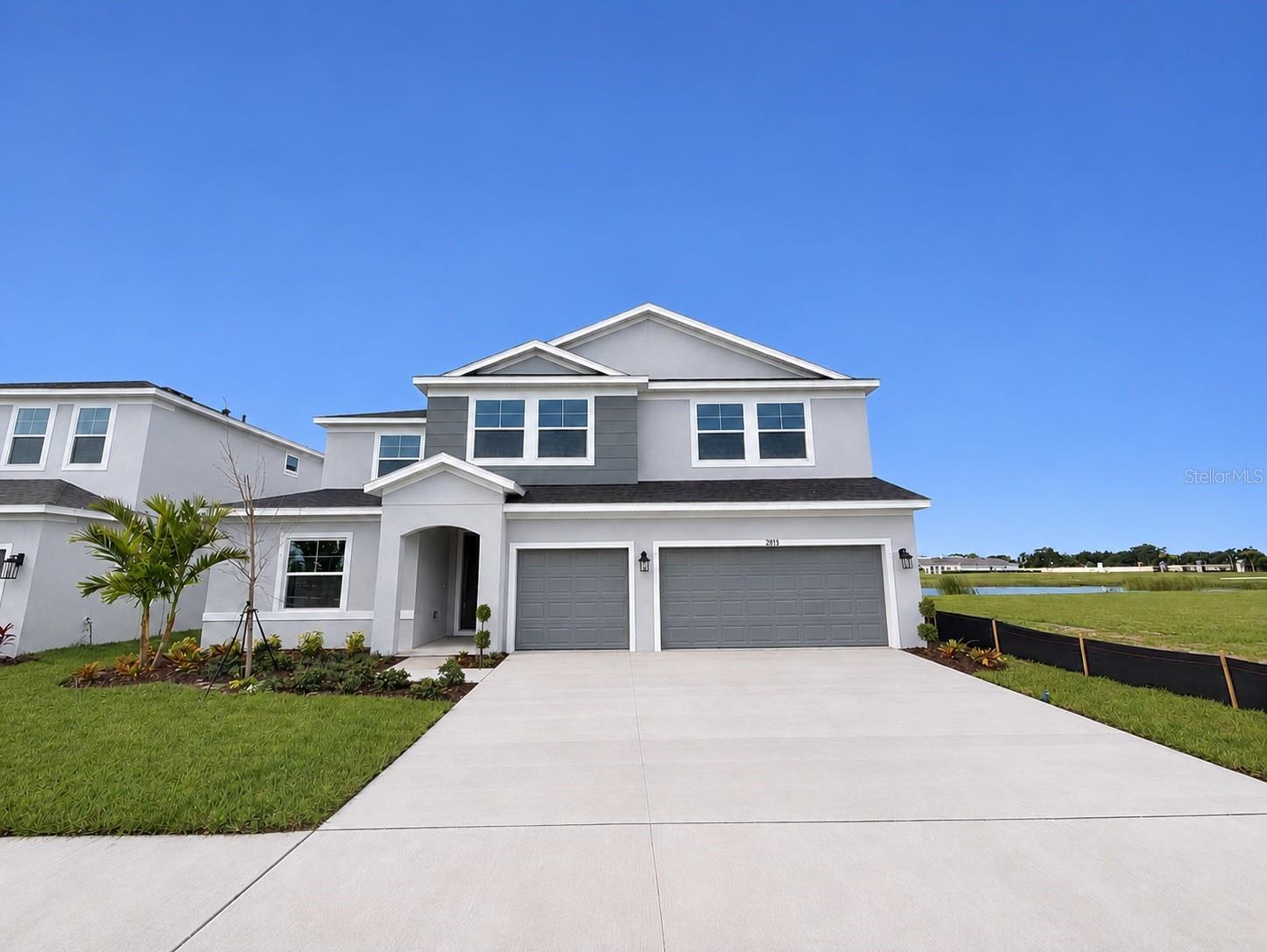
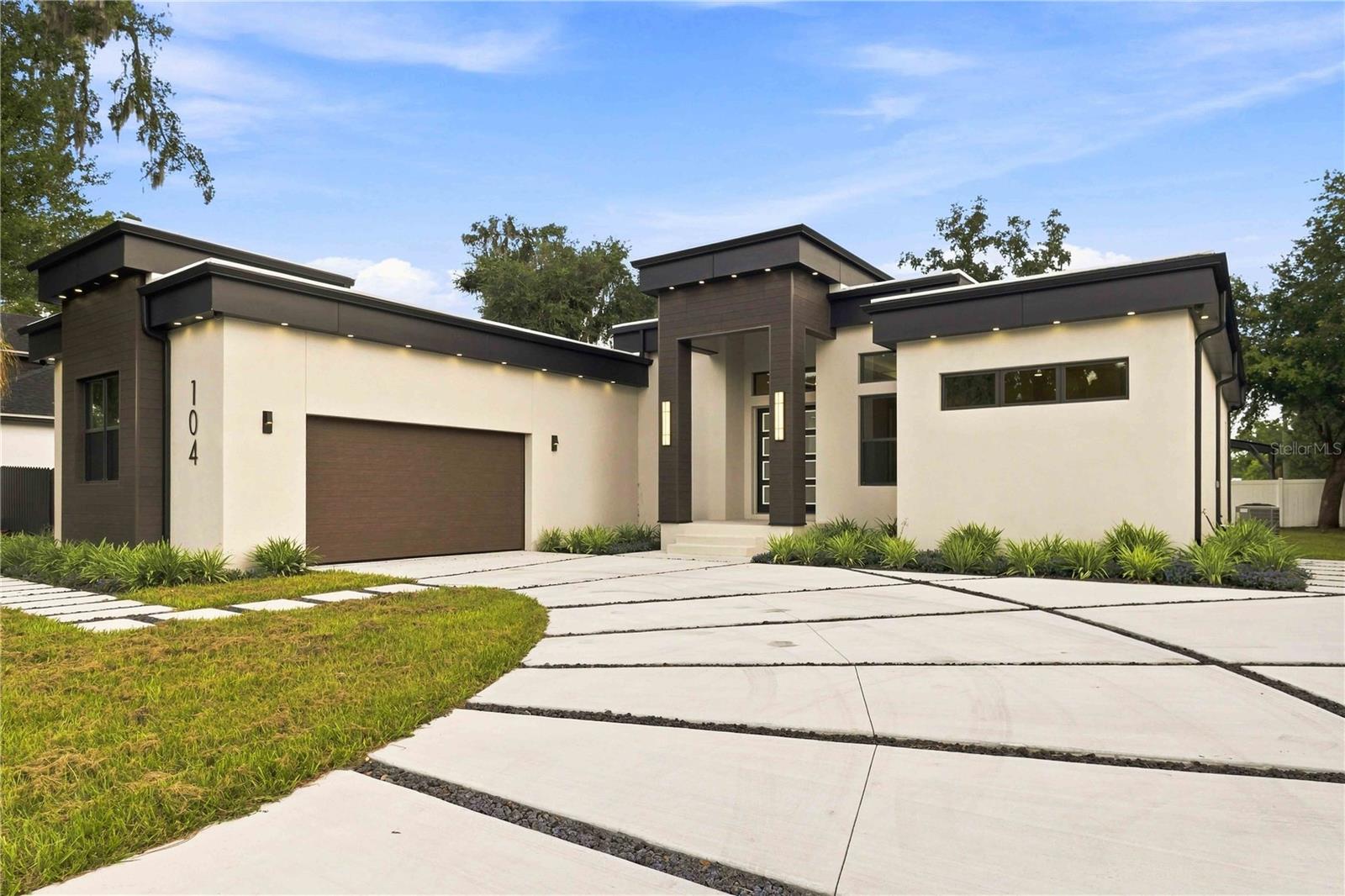
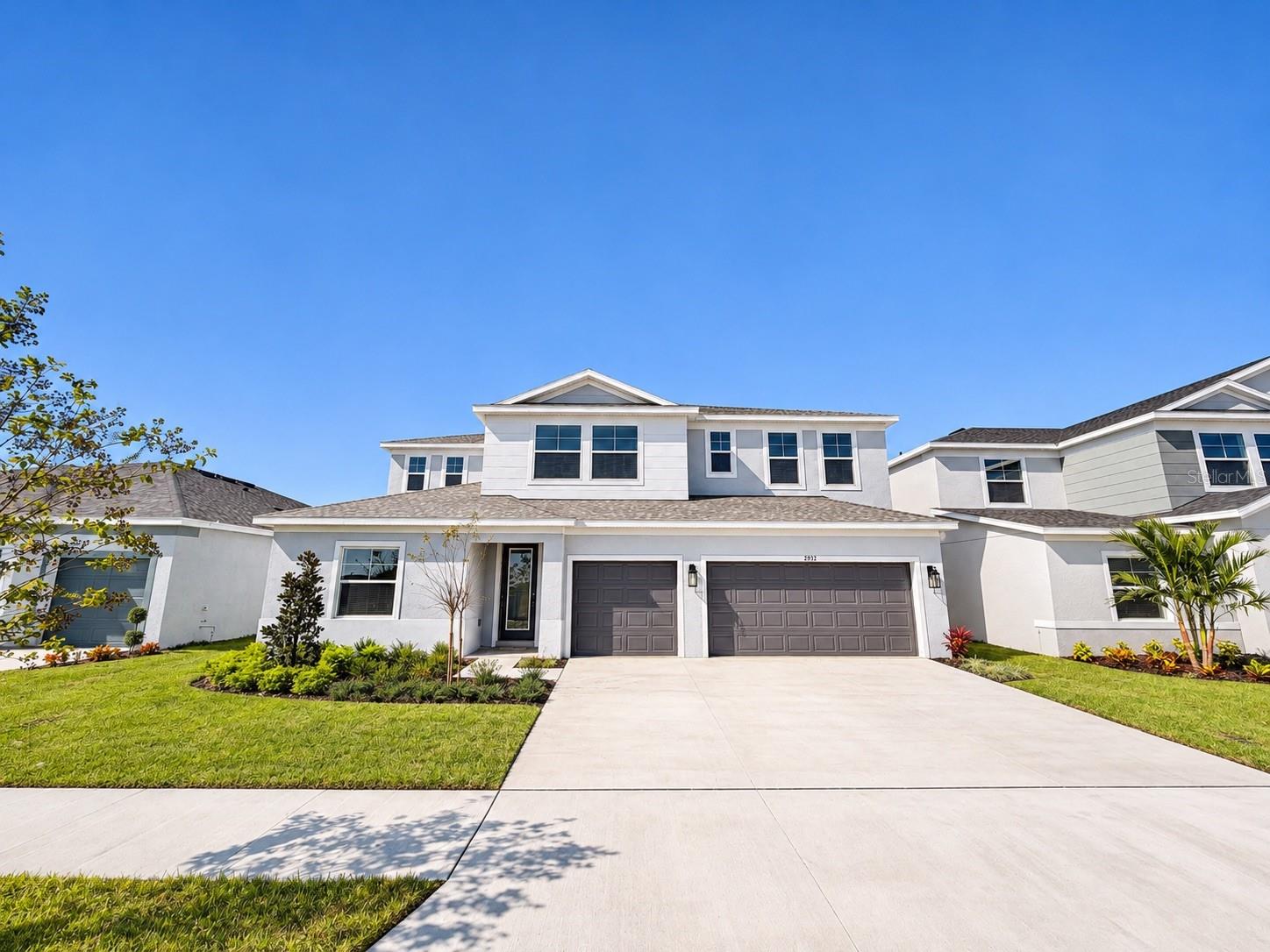
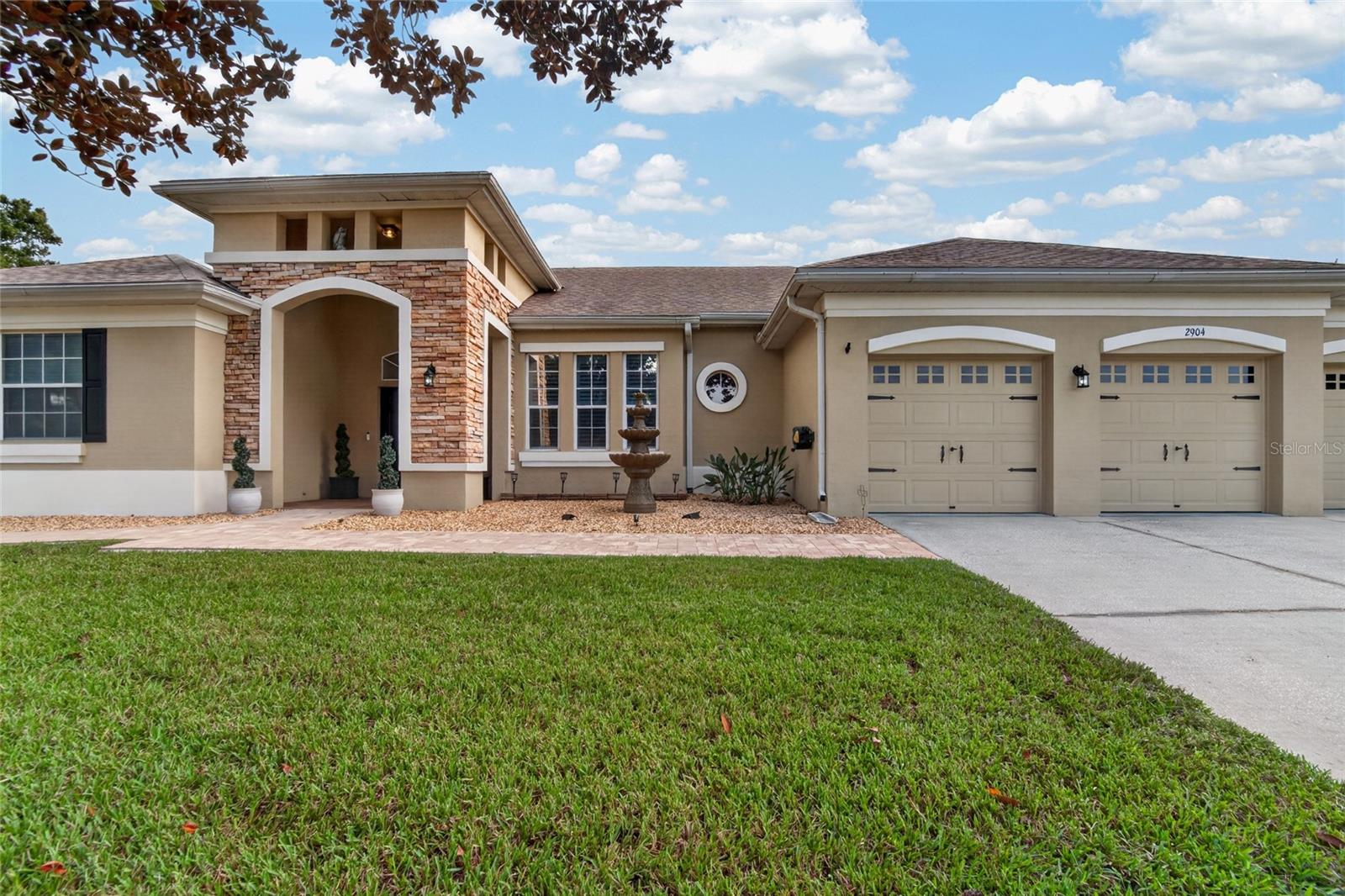
- Home styles: Historic downtown homes, suburban subdivisions, acreage properties, new construction communities
- Price range: Median roughly $340K; most homes $280K to $550K
- Best for: First-time buyers, families seeking affordability, and anyone wanting land
Housing Market & Home Styles
Plant City's housing spans the full small-town spectrum. The historic downtown holds early-20th-century homes with real character — front porches, mature oaks, walkable blocks. Walden Lake, the area's signature master-planned community, wraps around a 300-acre lake with golf, tennis, and established subdivisions. Newer communities continue filling in along the I-4 corridor, while the eastern edges still offer acreage properties for buyers who want land.
The numbers tell the affordability story: median sale prices run roughly $340K, with many family homes trading between $300K and $450K. That's the lowest entry point in the Tampa metro for single-family living, and it's why Plant City draws first-time buyers from across Hillsborough County.
The market has cooled modestly from its peak — recent data shows prices down slightly year-over-year with balanced conditions — which means buyers have more negotiating room than they did two years ago. Well-priced homes still move; overpriced ones sit. Disciplined pricing matters more here than during the frenzy.
For acreage buyers, eastern Plant City remains one of the last places in Hillsborough County where multi-acre parcels trade at accessible prices. But the sprawl is coming: each year, more farmland converts to subdivisions, and the window for rural-feeling acreage near Tampa narrows.
Schools
Plant City is served by Hillsborough County Public Schools:
- Plant City High School — the community's legacy high school
- Durant High School — serves the western Plant City area
- Strawberry Crest High School — newer school with strong programs
- Tomlin Middle School and area elementary schools
Charter and private options operate in the area as well. Families prioritizing the highest-rated schools sometimes compare Plant City unfavorably to FishHawk or South Tampa, so school fit deserves an honest conversation based on your specific needs.
Dining & Entertainment
Historic downtown Plant City is the cultural heart: brick streets, the historic train depot, local restaurants, and shops with genuine small-town character. Parkesdale Farm Market is a local institution — the strawberry shortcake alone justifies the drive for Tampa residents. The annual Florida Strawberry Festival (late February/early March) brings national music acts and half a million visitors.
Dinosaur World, right off I-4, is a beloved family attraction. For bigger entertainment, downtown Tampa is 30 to 40 minutes west, Lakeland is 20 minutes east, and Orlando's theme parks run about an hour.
Parks & Recreation
Edward Medard Regional Park offers 1,284 acres with a reservoir for fishing and kayaking, hiking trails, and camping. The Alafia River corridor provides paddling and nature access. Sydney Dover Trails and community parks cover everyday recreation. The surrounding agricultural landscape — strawberry fields, citrus groves — gives the area a rural character increasingly rare in the metro.
Commute & Location Advantages
I-4 is Plant City's lifeline: downtown Tampa runs 30 to 40 minutes west, Lakeland 20 minutes east, and Orlando about an hour. The Selmon Expressway extension improved the Tampa commute. Tampa International Airport is roughly 40 to 50 minutes.
The honest assessment: Plant City is a commuter town for Tampa, and the I-4 drive is the price of the affordability. Remote and hybrid workers get the best of both worlds — small-town living with metro paychecks. Daily Tampa commuters should test the drive at rush hour before committing.
Who Lives Here & Community Life
Plant City's population blends deep roots and new arrivals: multi-generational local families, agricultural workers tied to the strawberry industry, first-time buyers priced out of closer-in suburbs, and a growing wave of remote workers seeking space. The community feel is genuinely small-town — Friday night football, the Strawberry Festival, and downtown events anchor the social calendar.
Newcomers are welcomed but should understand they're joining an existing community with its own rhythms, not a blank-slate suburb. That authenticity is the appeal for buyers tired of anywhere-ville sprawl.
Market Trends & What Buyers Should Know
Plant City's balanced market conditions — recent data shows roughly six weeks of negotiating room compared to the frenzy years — won't last forever if Tampa's growth continues pushing east. Buyers sitting on the fence should understand they're shopping a window: today's buyer-friendly conditions in a growth-corridor location are a combination that historically doesn't persist.
Plant City sits in the path of Tampa's eastward growth, which is the long-term appreciation thesis in a sentence. As land closer to Tampa fills in, demand pushes outward along I-4, and Plant City absorbs it. The recent market cooling — modest price declines, balanced conditions — actually favors buyers right now, with more negotiating room than the peak years offered.
For investors, the math is straightforward: low entry prices, steady rental demand from the local workforce, and a growth corridor tailwind. For families, the proposition is space and affordability with a real downtown.
Two diligence notes: verify flood zones near the Alafia River and its tributaries, and understand that HOA structures vary widely — from none in historic neighborhoods to full-amenity in Walden Lake and new communities.
Local Insights Only a Tampa Native Would Know
The I-4 corridor between Tampa and Orlando is one of Florida's most important growth spines, and Plant City sits squarely on it. Long-term, that positions the town less as Tampa's outskirts and more as a midpoint city in a continuous metro — a shift that has already transformed similar towns along the corridor. Buying here is a bet on that trajectory, and the odds have historically favored it.
The Strawberry Festival is not a cute local fair — it's a massive event that takes over the town for 11 days every spring, with legitimate headliners and traffic to match. Residents either love it or leave town for it. Ask which camp your neighbors are in.
Parkesdale Farm Market's strawberry shortcake is a Tampa Bay rite of passage. The line in strawberry season (December through April) tells you everything about how seriously this town takes its berries. And the agricultural character is real but fading: every year, another strawberry field becomes a subdivision, which is both the opportunity and the urgency for buyers who want the rural feel.
Walden Lake deserves specific mention: it's Plant City's most established upscale community, with the lake, golf course, and mature landscaping creating a distinctly different feel from the surrounding area. Buyers comparing Plant City to FishHawk should tour Walden Lake first — it's the closest local comp.
Frequently Asked Questions
What is the average home price in Plant City FL?
Median sale prices run roughly $340K, with most family homes trading between $300K and $450K. It's among the most affordable single-family markets in the Tampa metro.
Is Plant City FL a good place to live?
Plant City appeals to buyers seeking small-town character, affordability, and space. The historic downtown, Strawberry Festival, and community feel are genuine draws; the I-4 commute to Tampa is the main tradeoff.
What are the best neighborhoods in Plant City?
Walden Lake is the established master-planned community around a 300-acre lake. Historic downtown offers character homes on brick streets. Newer subdivisions along the I-4 corridor provide modern floor plans.
How are the schools in Plant City?
Plant City is served by Hillsborough County Public Schools including Plant City High, Durant High, and Strawberry Crest High. Charter and private options are also available.
How far is Plant City from Tampa?
About 25 miles east of downtown Tampa, typically 30 to 40 minutes via I-4 depending on traffic. Tampa International Airport is roughly 40 to 50 minutes.
Is Plant City a good investment?
Plant City sits in Tampa's eastward growth path along I-4, with the metro's lowest single-family entry prices. Low entry costs, steady rental demand, and sprawl-driven appreciation form the investment thesis.
What is the Florida Strawberry Festival?
The annual 11-day festival (late February/early March) celebrating Plant City's strawberry heritage, drawing around half a million visitors with national music acts, fair food, and agricultural exhibits.
Can I buy land or acreage in Plant City?
Yes — eastern Plant City still offers multi-acre parcels at accessible prices, though farmland continues converting to subdivisions as sprawl advances. The window for rural-feeling acreage near Tampa is narrowing.
Thinking about buying in Plant City?
Plant City's growth corridor rewards buyers who move early. Alan and Stefan track the I-4 corridor closely. Talk to ASG.