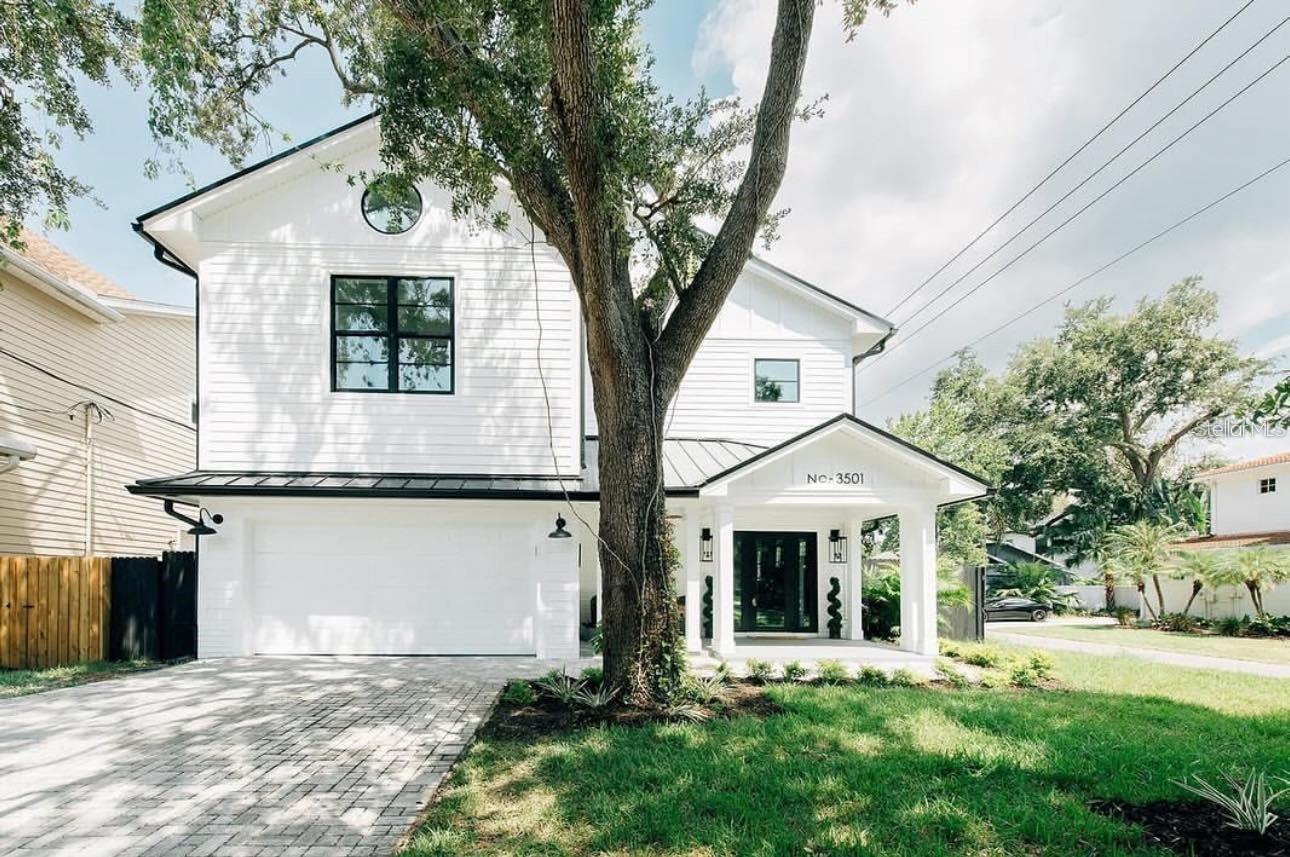
Harbour Island is downtown Tampa's quiet luxury enclave — a small, gated island just south of the urban core, connected by bridge to Channelside and the Channel District. Where Channelside went vertical and loud, Harbour Island stayed low-key: manicured streets, marina slips, and some of Tampa's most established luxury condo buildings, all five minutes from Amalie Arena.
Harbour Island is downtown Tampa's quiet luxury enclave — a small, gated island just south of the urban core, connected by bridge to Channelside and the Channel District. Where Channelside went vertical and loud, Harbour Island stayed low-key: manicured streets, marina slips, and some of Tampa's most established luxury condo buildings, all five minutes from Amalie Arena.
Harbour Island's housing is almost entirely condominium, and the buildings define the market. The Plaza Harbour Island (450 Knights Run Ave) is the island's flagship: a luxury high-rise with 24-hour concierge and doorman, resort-style pool, fitness center, and private boat docks, with residences ranging from around $850K to nearly $4M for premier units. HOA fees run roughly $1,000 to $4,700 per month depending on unit size.
The supporting cast fills out the price ladder: Parkcrest offers modern residences from the $500s to $900K; Grandview holds mid-rise units with water views; Harbour Court provides an entry point in the $500s. 500 Harbour Island operates as luxury rentals for those who want the island lifestyle without buying.
What distinguishes the island from downtown's condo towers is the setting: gated entry, marina access, and a residential calm that the Channel District's high-rises can't replicate. Supply is essentially fixed — the island isn't growing — which underpins long-term value.
Here's the surprise most buyers don't expect: Harbour Island is zoned for Plant High School, one of the Tampa Bay area's top-rated public high schools. For a downtown-adjacent address, that's a genuine differentiator.
Private schools are also easily accessible from the island's central location.
Boating adds a dimension most downtown residents don't have: dinner by water, with the island's docks putting the bay's waterfront restaurants — from the Sail Pavilion downtown to the Getaway on the far shore — within an easy cruise. For island residents with boats, the region's dining map effectively doubles.
The island itself is residential, but everything is minutes away. Channelside and Sparkman Wharf sit just across the bridge with waterfront dining, a food hall, and bars. Downtown Tampa's Riverwalk restaurants are a short drive or boat ride. Amalie Arena — home of the Lightning — is essentially next door. The Florida Aquarium anchors the Channel District.
Evening walks around the island's perimeter offer skyline views that change with the light, and the proximity to Bayshore Boulevard — a short drive south — extends the running and cycling options considerably for residents who want longer routes.
The island's manicured streets and waterfront paths are made for morning walks and runs. The marina is the recreational centerpiece: private boat docks give residents direct access to Hillsborough Bay and the Gulf. Downtown's Curtis Hixon Waterfront Park and the Tampa Riverwalk extend the outdoor options minutes away.
Location is the island's superpower. Downtown Tampa's business core is about 5 minutes. Tampa International Airport runs roughly 20 minutes via the Selmon Expressway. The Port of Tampa and Channel District employment are adjacent. For professionals who work downtown but want to leave the urban energy at the bridge, few addresses compete.
What surprises newcomers is how residential the island feels despite sitting in downtown's shadow. Morning walkers circle the waterfront paths, marina regulars know each other by boat name, and the 24-hour staffed gate gives the whole island a private-club calm. It's the rare urban address where you can hear the water at night instead of the traffic.
Harbour Island attracts downtown executives who want a short commute and a quiet home, professional athletes drawn to the privacy and security, empty nesters downsizing from South Tampa estates, and relocating luxury buyers who discover the island beats a downtown high-rise on tranquility. The gated setting and 24-hour staffing create a lock-and-leave ease that frequent travelers prize.
Community life is low-key by design: marina gatherings, morning walks, and the occasional island event rather than any scene. Residents chose the island precisely because it isn't Channelside.
Harbour Island resales move on a different rhythm than downtown's newer towers. The buyer pool is smaller but more committed — people who specifically want the island, not just a downtown condo. That means well-priced units move steadily while overpriced ones sit, since island buyers comparison-shop across the island's handful of buildings rather than across all of downtown. Pricing against the island's own recent sales, not downtown's, is how local agents position listings.
Harbour Island's market is defined by scarcity and stability. Fixed supply, consistent luxury demand, and the Plant High School zoning create a durable value story. The Plaza remains the price leader, with premier units setting island records.
The post-Surfside regulatory environment makes building diligence essential: review reserves, recent engineering reports, and any pending assessments before buying in any of the island's buildings. HOA fees are substantial — budget them as part of the true monthly cost, not an afterthought.
For sellers, presentation and view corridors drive premiums. Water-view units with updated finishes command the strongest prices; marina-adjacent and dock-accessible units carry their own premium among boating buyers.
The island's single bridge is both its charm and its consideration. During major downtown events — Lightning playoff games, Gasparilla — the surrounding roads clog, and island residents learn the timing. Most consider it a minor tradeoff for the other 350 days of the year. And one dining note: the island's quiet means most dinners happen across the bridge, so buyers who want restaurants downstairs should look at Channelside instead and be honest about it.
The Plant High School zoning is the island's open secret and its most underappreciated asset. Downtown luxury buyers with school-age kids often default to private school assumptions without realizing the island feeds Tampa's most coveted public high school. Verify the zoning for the specific building, but this is real.
Harbour Island versus Channelside is the classic downtown luxury fork. Channelside offers newer towers, more energy, and the Sparkman Wharf scene at your door. Harbour Island offers gates, quiet, marina life, and established buildings. Buyers who want the city usually pick Channelside; buyers who want to visit the city pick the island.
On the marina: dock rights and slip availability vary by building, and they matter enormously to boating buyers. Confirm exactly what comes with the unit before assuming — the difference between deeded dock space and waitlist access is significant.
Condos generally range from the $500s to $1.5M. The Plaza Harbour Island, the island's luxury flagship, ranges from around $850K to nearly $4M for premier residences.
The Plaza Harbour Island (450 Knights Run Ave) is the island's premier luxury high-rise, with 24-hour concierge and doorman, resort-style pool, fitness center, and private boat docks. Units range from about $850K to $3.9M.
The island's fixed supply, gated setting, marina access, and Plant High School zoning support durable values. As with any luxury condo market, building financials and HOA health are critical diligence items.
HOA fees vary by building and unit size. At The Plaza, fees range roughly $1,000 to $4,700 per month. Always verify current fees and what they cover before buying.
Harbour Island is zoned for Gorrie Elementary, Wilson Middle School, and Plant High School — one of Tampa Bay's top-rated public high schools, a rare advantage for a downtown-adjacent address.
The island connects by bridge to Channelside, and downtown's core is about 5 minutes by car. The island itself is walkable, with waterfront paths; most residents drive or rideshare downtown.
Yes — the marina is a centerpiece of island life, with private boat docks at buildings like The Plaza. Confirm the specific dock rights attached to any unit, as they vary.
Channelside offers newer towers and more energy; Harbour Island offers gates, quiet, marina living, and established buildings. It comes down to whether you want to live in the scene or next to it.
Island condos demand island expertise: HOAs, reserves, dock rights, and view corridors. Alan and Stefan know them all. Talk to ASG.
Are you looking for an experienced real estate team to help you capitalize on Florida's property markets? Get in touch with Alvarez Schonbrun Group today to explore how you can collaborate on your upcoming ventures.