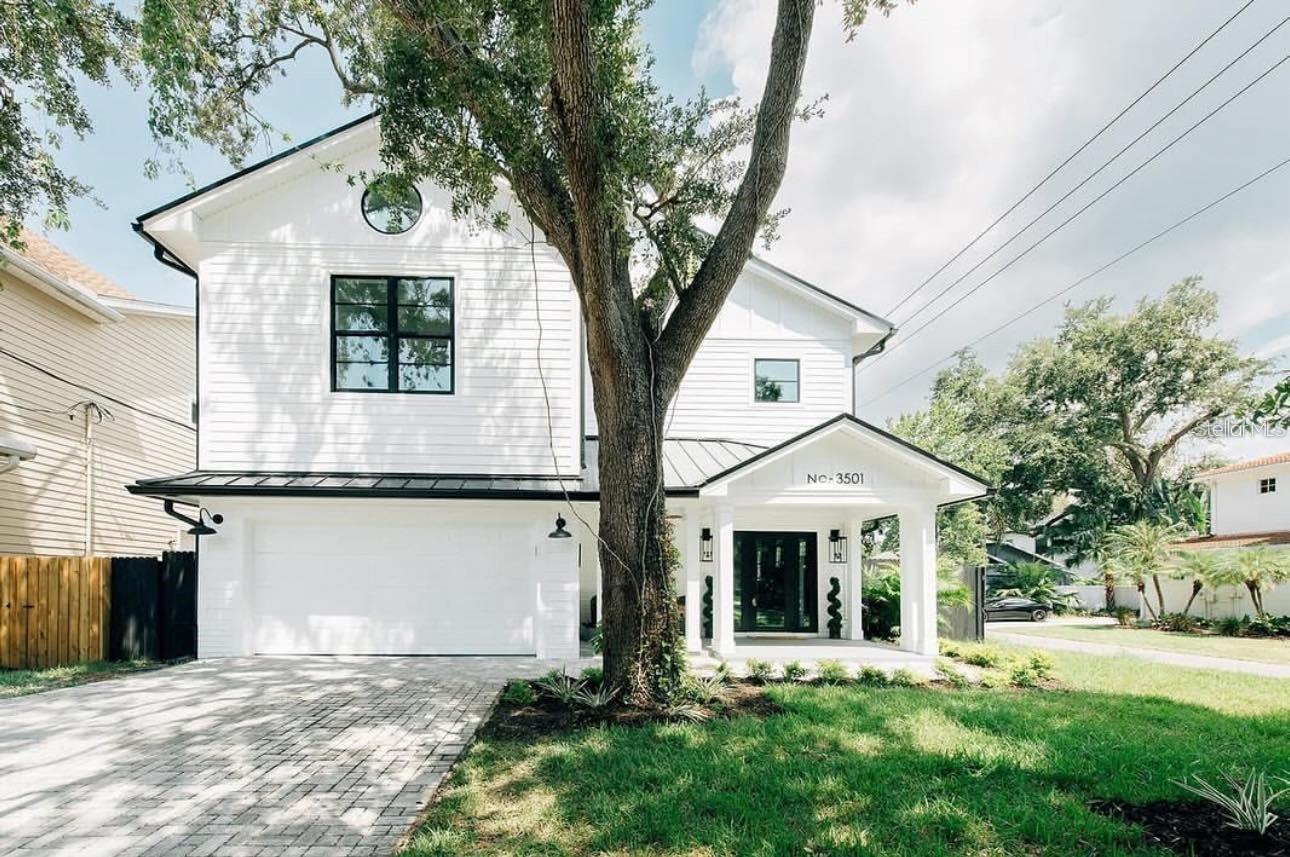
Ybor City is Tampa's soul. Founded in the 1880s when Vicente Martinez Ybor moved his cigar operations from Havana, it became the "Cigar Capital of the World," drawing Cuban, Spanish, and Italian immigrants whose heritage still flavors every brick street. Today it's a National Historic Landmark District where century-old cigar factories house lofts and restaurants, 7th Avenue pulses day and night, and some of Tampa's most affordable urban real estate sits minutes from downtown.
Ybor City is Tampa's soul. Founded in the 1880s when Vicente Martinez Ybor moved his cigar operations from Havana, it became the "Cigar Capital of the World," drawing Cuban, Spanish, and Italian immigrants whose heritage still flavors every brick street. Today it's a National Historic Landmark District where century-old cigar factories house lofts and restaurants, 7th Avenue pulses day and night, and some of Tampa's most affordable urban real estate sits minutes from downtown.
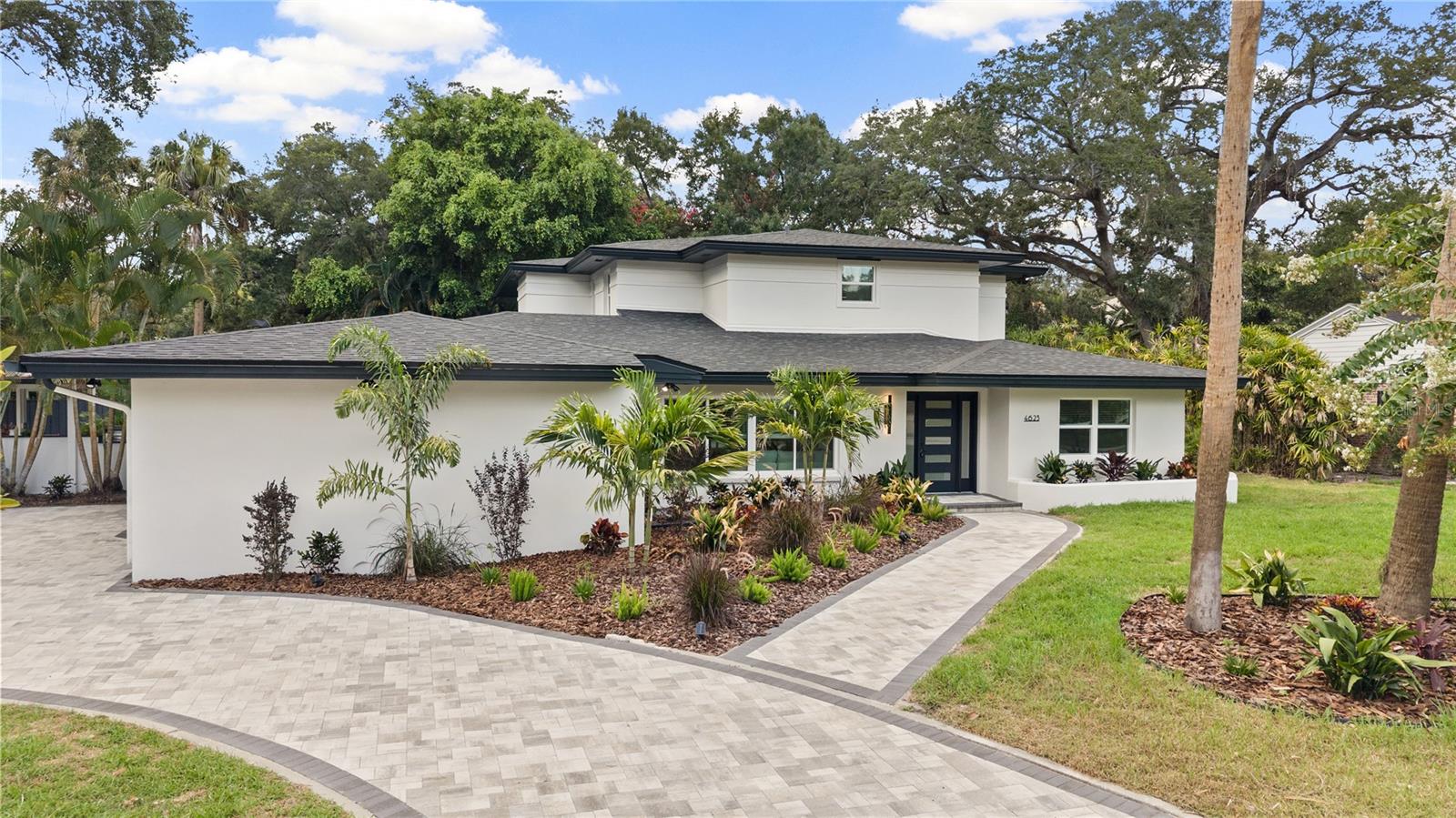
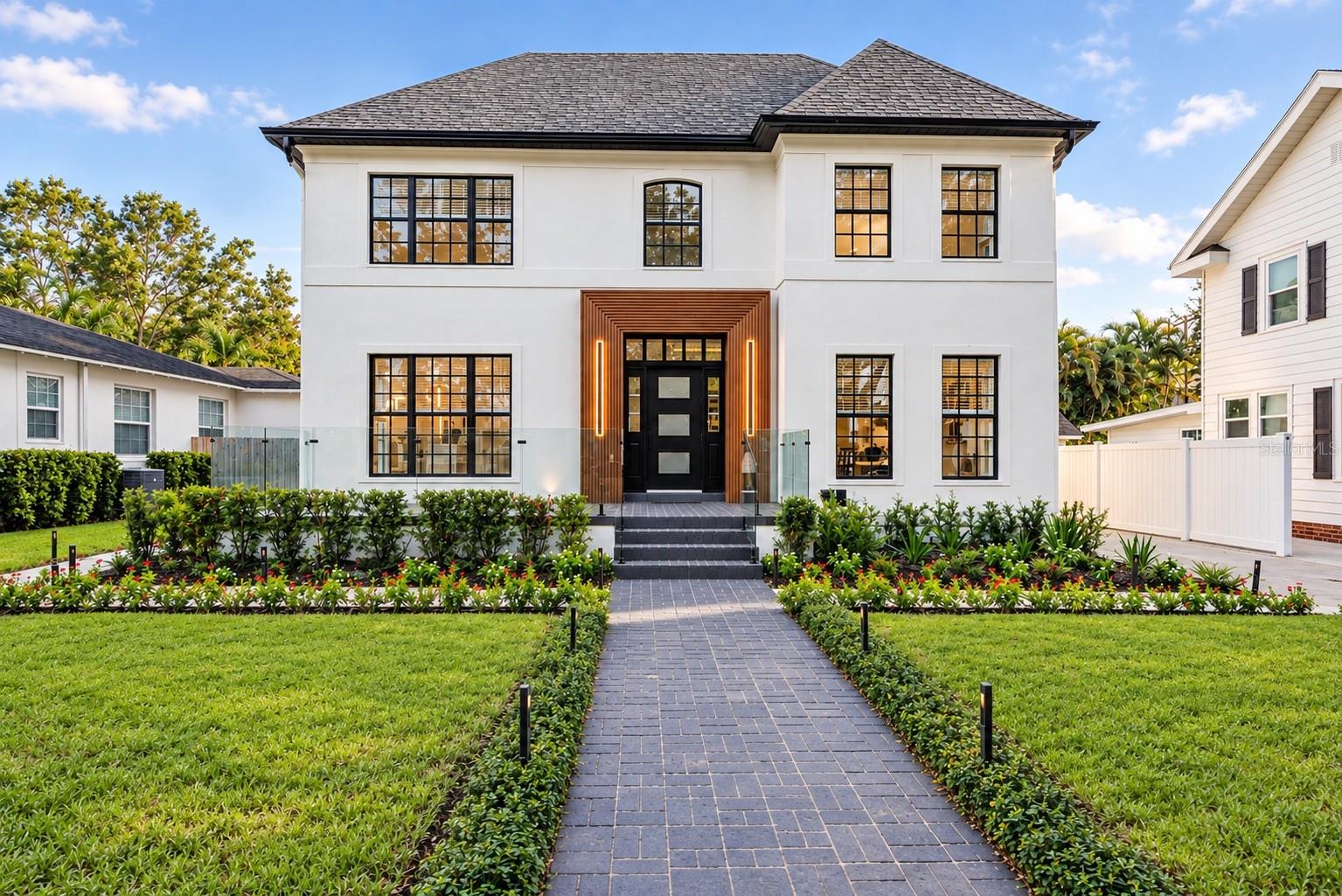
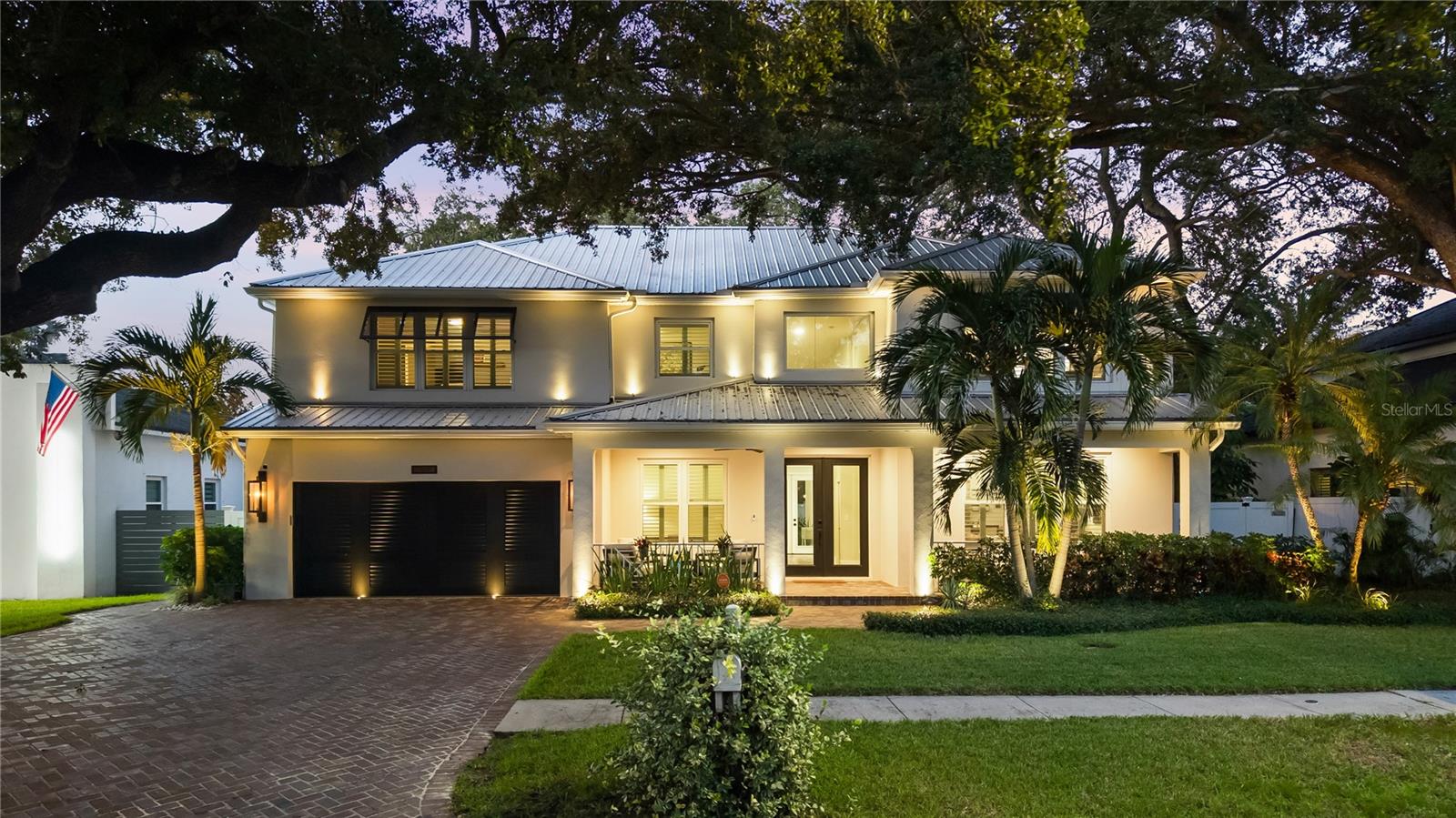
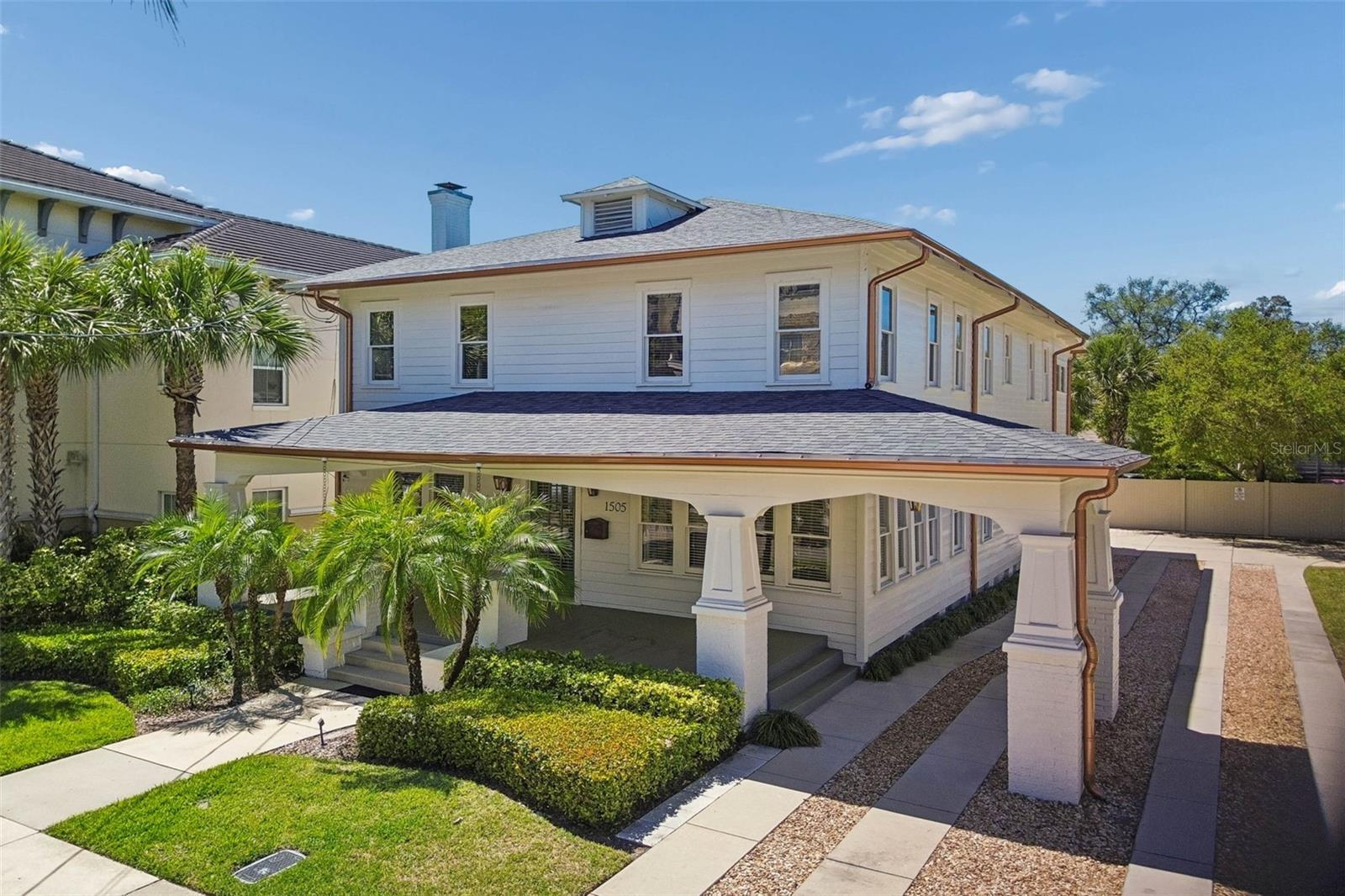
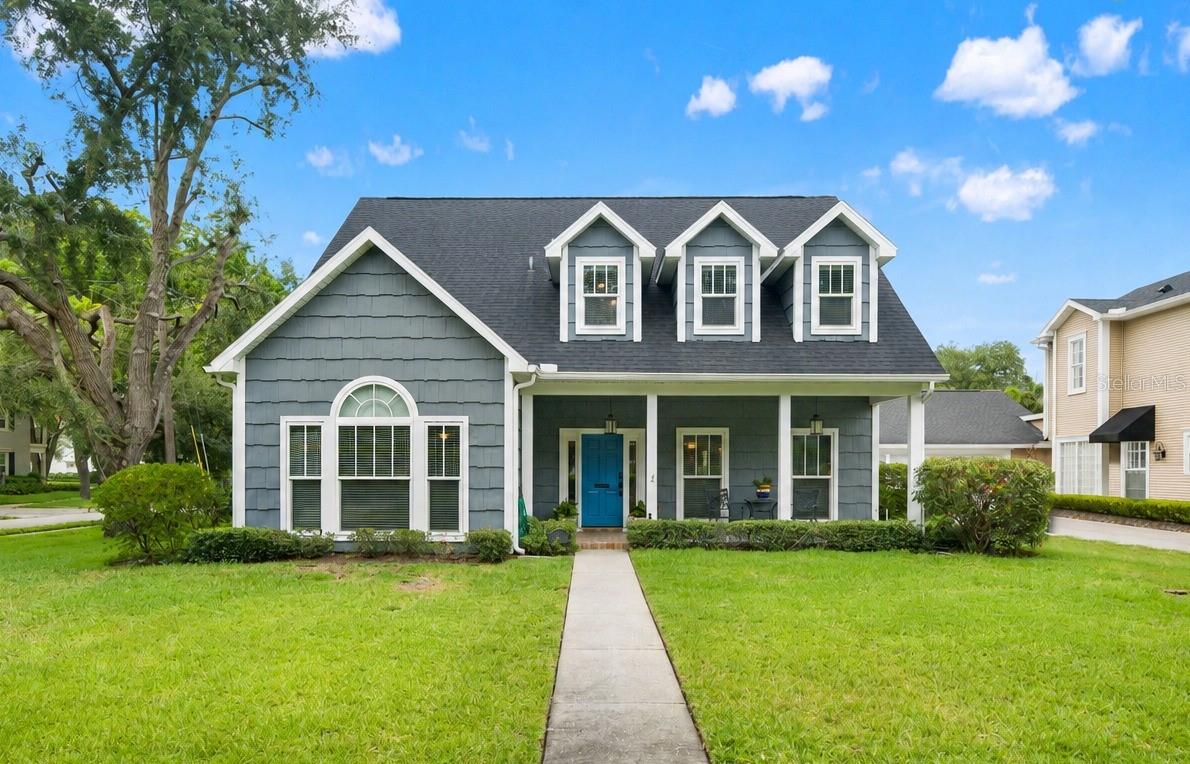
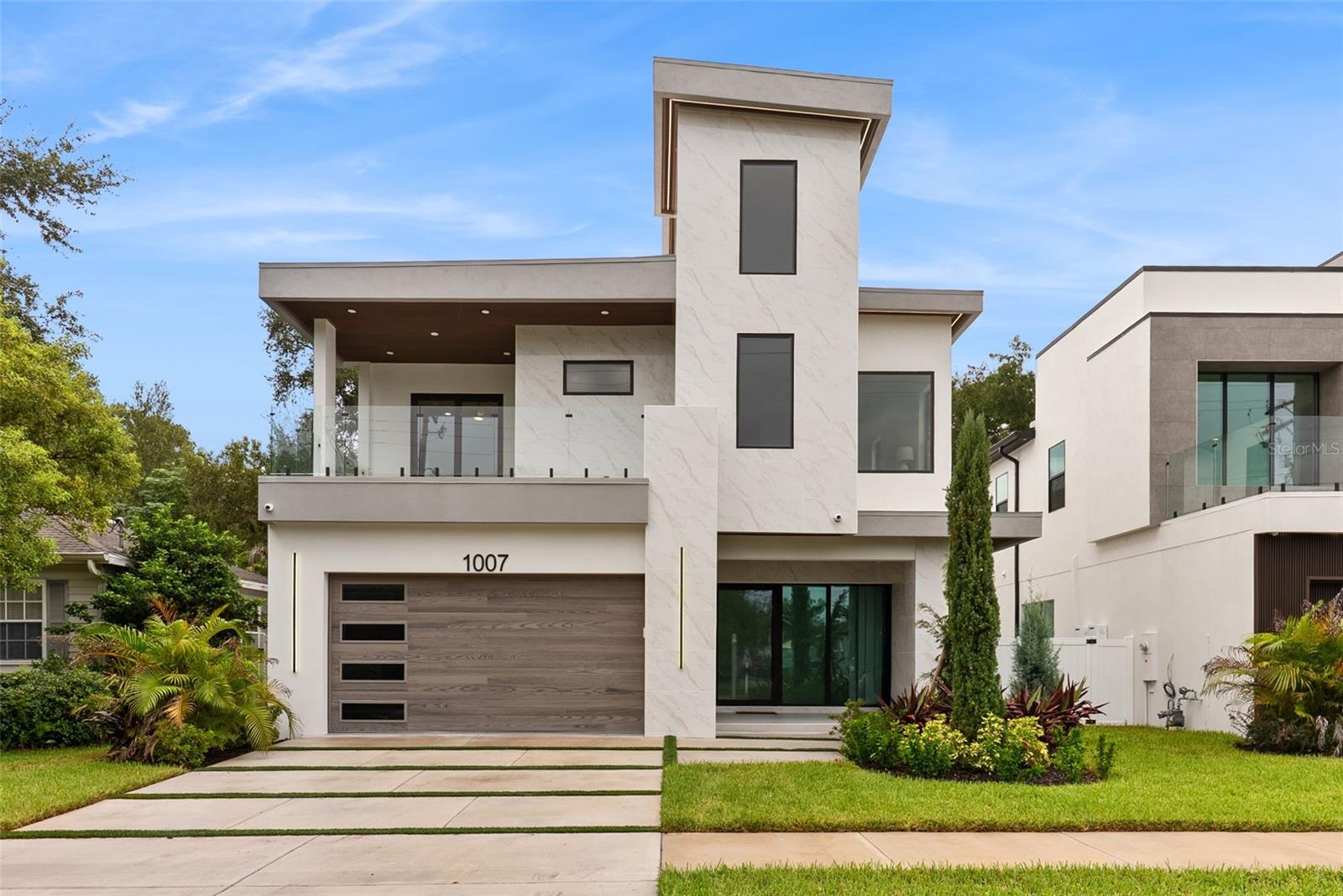
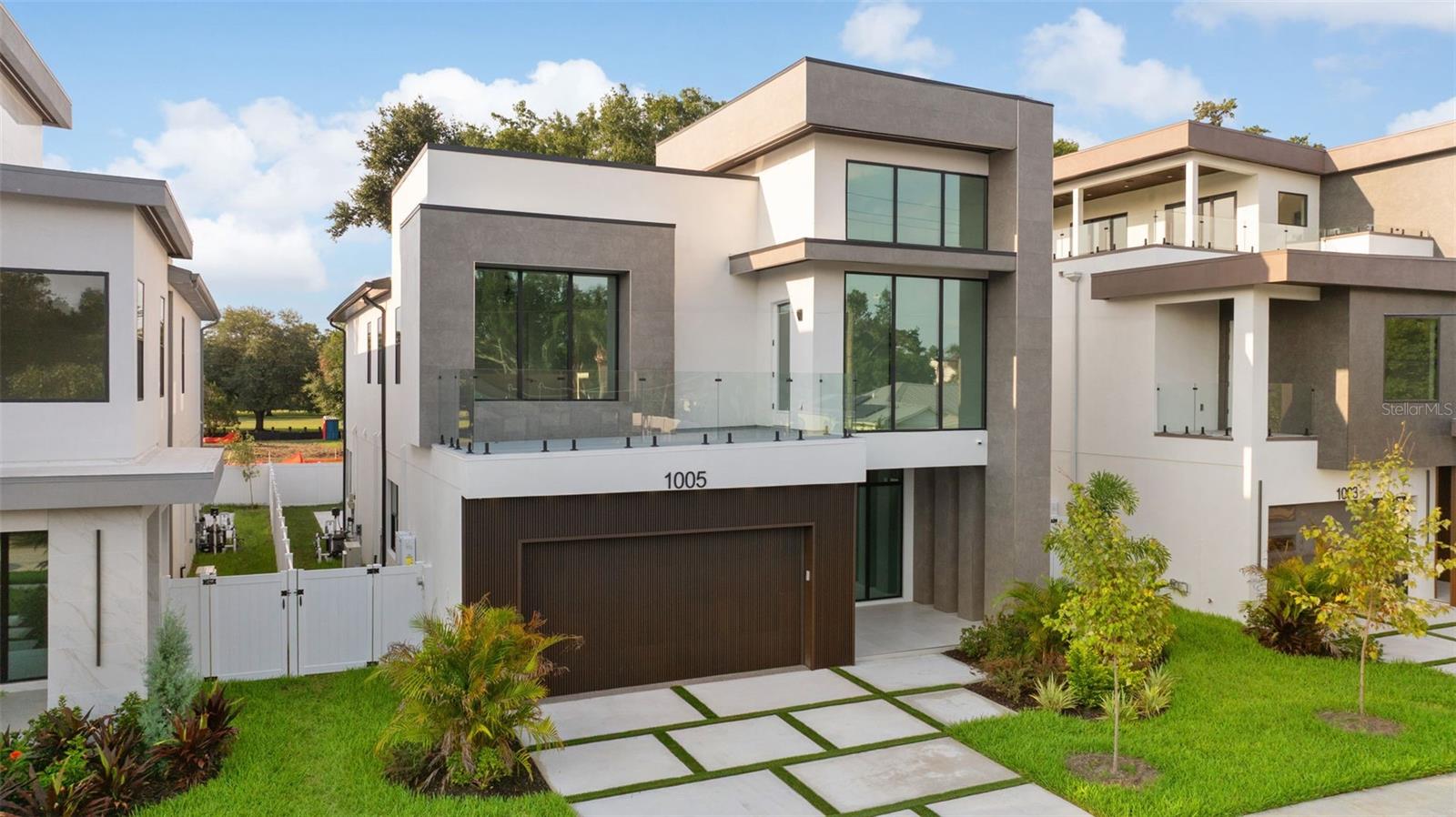
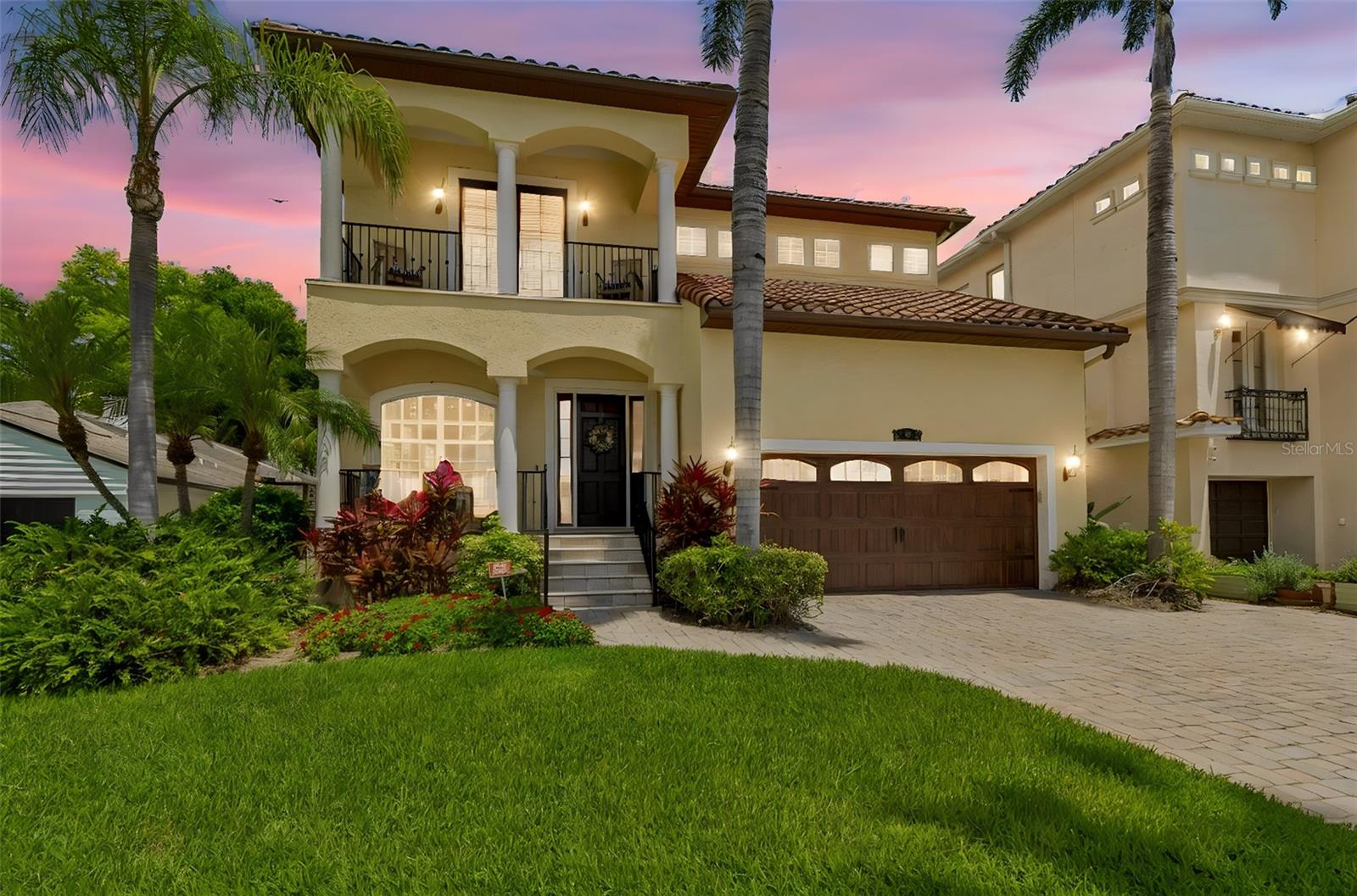
Ybor City's housing reflects its layered history. The residential streets hold historic worker cottages and bungalows from the cigar era, many with good bones awaiting renovation. Converted cigar factories and warehouses offer loft-style living unique in Tampa. Newer townhome developments add low-maintenance options. Prices remain among the most affordable near downtown Tampa, with medians in the $250K to $360K range, though renovated historic homes and new construction push toward $600K.
For investors, the thesis is straightforward: the lowest entry prices near downtown, genuine historic character protected by landmark status, and steady demand from renters who want urban living. The caveat is equally straightforward: the National Historic Landmark District designation means exterior renovations face design review, so factor that into any value-add plan.
Families in Ybor City are served by Hillsborough County Public Schools, with several public and charter options in the greater downtown area. The neighborhood's central location also puts higher education institutions within easy reach. Ybor's buyer profile skews more toward young professionals and investors than families with school-age children, but school choice options exist for those who need them.
7th Avenue (La Septima) is the historic main strip: iconic cigar shops, the legendary Columbia Restaurant (Florida's oldest restaurant, operating since 1905), eclectic boutiques, craft breweries, and a renowned nightlife scene. The neighborhood hosts signature Tampa events including Gasparilla festivities. The TECO Line Streetcar connects Ybor to downtown Tampa, Channelside, and Sparkman Wharf, making car-free evenings genuinely feasible.
The food culture extends well beyond the tourist corridor. Ybor's Cuban sandwich shops, cafecito windows, and family-run kitchens are woven into daily life, and the neighborhood's brewing scene has grown into one of Tampa's best. For residents, the appeal is having this cultural depth as a daily backdrop rather than a weekend destination.
Community plazas and small parks punctuate the urban fabric. The brick streets themselves are part of the recreational appeal: Ybor is made for walking. For larger green space, downtown's Curtis Hixon Waterfront Park and the Riverwalk are minutes away via the streetcar. The Hillsborough River and Channelside waterfront add boating and waterfront dining options nearby.
Active residents also take advantage of the streetcar-connected recreation network: the Riverwalk's running and cycling path, Channelside's waterfront activities, and downtown's parks and cultural venues are all effectively part of Ybor's extended backyard. The urban trail connectivity is one of the neighborhood's quiet strengths.
Ybor City's location is exceptional for connectivity. Interstate 4 borders the north, running east to Orlando. The Selmon Expressway forms the southern edge, connecting to Brandon and South Tampa. Interstate 275 sits to the west. Downtown Tampa is literally minutes away, and the streetcar makes the connection car-free. Tampa International Airport is about 20 minutes.
Ybor City's residents are as eclectic as its history: young professionals in converted lofts, artists and creatives drawn by the character and affordability, longtime residents with deep neighborhood roots, investors building rental portfolios, and a growing number of downtown workers who want urban living at a fraction of downtown prices. The cultural diversity is a lived reality, not a marketing line.
Community life blends the historic and the contemporary. The neighborhood's Cuban, Spanish, and Italian heritage societies remain active, cultural festivals fill the calendar, and the residential streets maintain a neighborly feel that contrasts with the nightlife strip's energy. The Ybor City Development Corporation and community groups work continuously on the balance between preservation, growth, and livability.
For buyers seeking authentic urban living, Ybor offers something no other Tampa neighborhood can: genuine history you can live inside, cultural depth that can't be manufactured, and a price point that keeps it accessible. The tradeoff is the ongoing transition: this is a neighborhood still writing its next chapter, and buyers should be comfortable with that dynamism.
Ybor City's market is driven by affordability and authenticity in equal measure. As downtown Tampa and the Channel District have grown, residential demand has pushed eastward into Ybor, bringing new townhome developments and renovated historic properties alongside the neighborhood's original housing stock. The price gap between Ybor and adjacent downtown remains significant, which is exactly the opportunity.
The investor profile here is well-defined: buy historic cottages at accessible prices, renovate thoughtfully within landmark guidelines, and rent to the deep pool of young professionals who want urban living near downtown. Rental demand is consistently strong, supported by downtown employment and the neighborhood's cultural draw. Short-term rental regulations deserve careful review before buying with that strategy in mind.
The landmark district designation is the factor that separates informed buyers from surprised ones. Exterior changes to contributing historic structures require design review, which adds time and constraints to renovation projects. This protects the neighborhood's character and, by extension, long-term values, but it means your renovation timeline and budget need to account for the approval process from day one.
The residential streets off 7th Avenue are a different world from the nightlife strip: quiet, historic, and community-oriented. Buyers who only know Ybor from weekend nights are often surprised. For renovation buyers, the historic district review process is the thing to understand before purchasing, not after: talk to someone who's been through it. And the long-term play that locals discuss is the continued spillover from downtown and Channel District growth, which has been pushing residential demand eastward for years.
Daytime Ybor and nighttime Ybor are genuinely different experiences, and smart buyers evaluate both. The daytime neighborhood is historic, walkable, and increasingly residential; the nighttime economy brings energy and crowds to 7th Avenue. Homes a few blocks off the main strip get the character without the 2 a.m. soundtrack. Walk the specific block at 10 p.m. on a Saturday before you buy.
For food lovers, the local knowledge runs deep: beyond the famous Columbia Restaurant, Ybor's side streets hold some of Tampa's best Cuban sandwiches, cafecito windows, and unassuming local kitchens. The neighborhood rewards residents who explore past the tourist corridor.
Median sale prices run roughly $250K to $360K, with homes ranging from the high $100s to around $600K for renovated historic properties and new construction.
It appeals strongly to buyers who want walkable urban living, deep historic character, cultural diversity, and nightlife at one of Tampa's most affordable price points, all minutes from downtown.
Founded in the 1880s by Vicente Martinez Ybor, it was the "Cigar Capital of the World." Today it's a National Historic Landmark District known for 7th Avenue, brick streets, Cuban and Spanish heritage, the Columbia Restaurant, and vibrant nightlife.
It offers among the lowest entry prices near downtown, with historic properties carrying renovation upside. Landmark status, walkability, and downtown proximity support long-term interest. Understand historic district renovation requirements before buying to renovate.
Yes, it's one of Tampa's most walkable neighborhoods. 7th Avenue's restaurants and shops are pedestrian-oriented, and the TECO streetcar connects to downtown and Channelside.
Ybor City is a National Historic Landmark District. Exterior changes to contributing historic structures require design review, which adds time to renovation projects. Understand the approval process before buying a home you plan to renovate.
Short-term rental regulations in Tampa are specific and evolving. Verify current city and county rules, HOA restrictions, and historic district considerations before purchasing with a short-term rental strategy.
Historic districts, renovation rules, and block-by-block value all take a local expert. Alan and Stefan know Tampa's urban core. Talk to ASG.
Are you looking for an experienced real estate team to help you capitalize on Florida's property markets? Get in touch with Alvarez Schonbrun Group today to explore how you can collaborate on your upcoming ventures.