The Heights (Tampa Heights), FL: Real Estate & Neighborhood Guide
Tampa Heights is Tampa's oldest suburb — platted in the 1880s, lined with Victorian and craftsman architecture, and for decades overlooked. Then Armature Works opened in the old streetcar warehouse, the Riverwalk extended north along the Hillsborough River, and the neighborhood became the city's most watched revitalization story. Historic character two miles from downtown, at prices the urban core can't match.
The Heights at a Glance
- Location: Just north of downtown Tampa along the Hillsborough River; ZIPs 33602, 33603
- Vibe: Historic, revitalizing, creative; old Tampa character with new energy
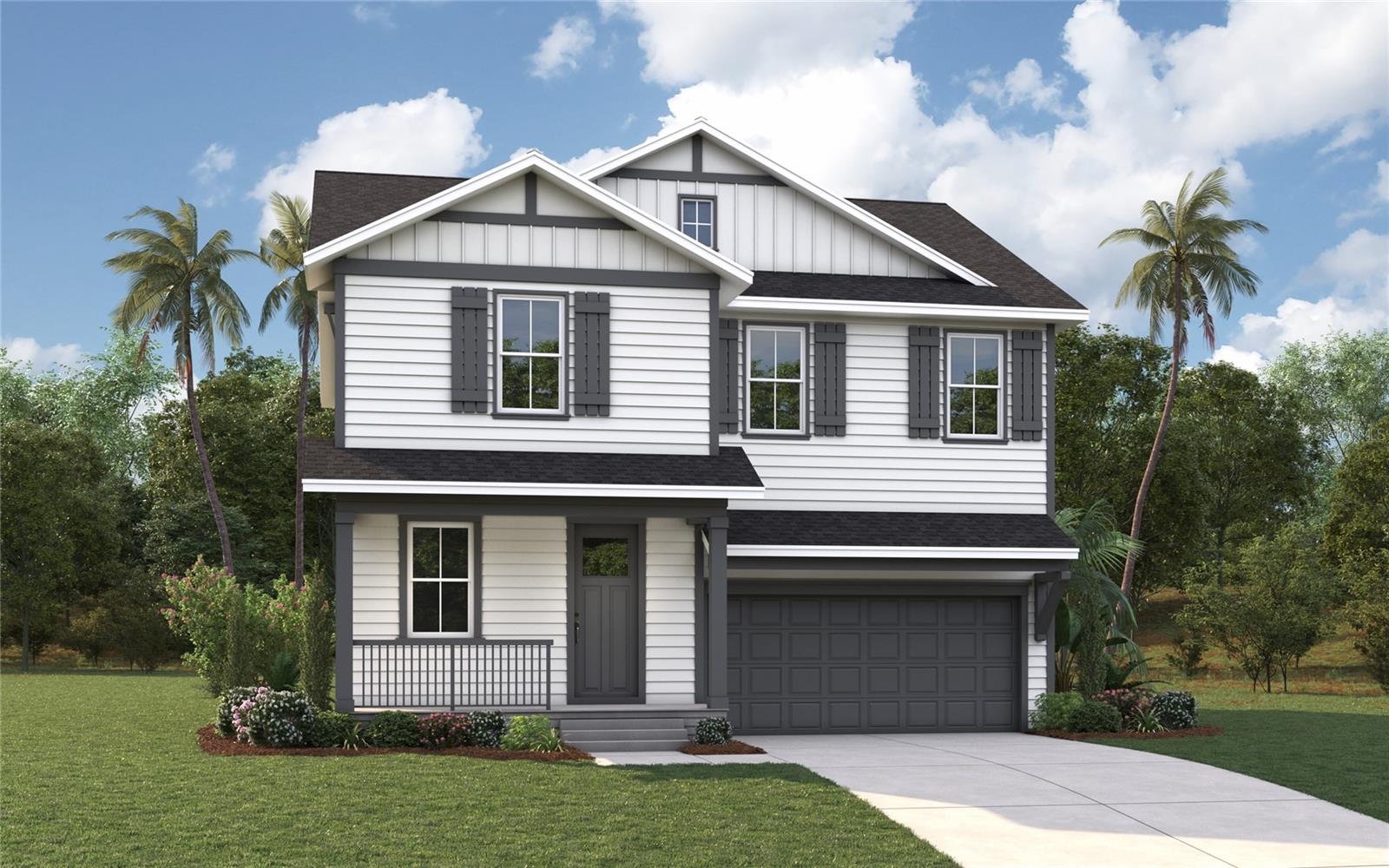
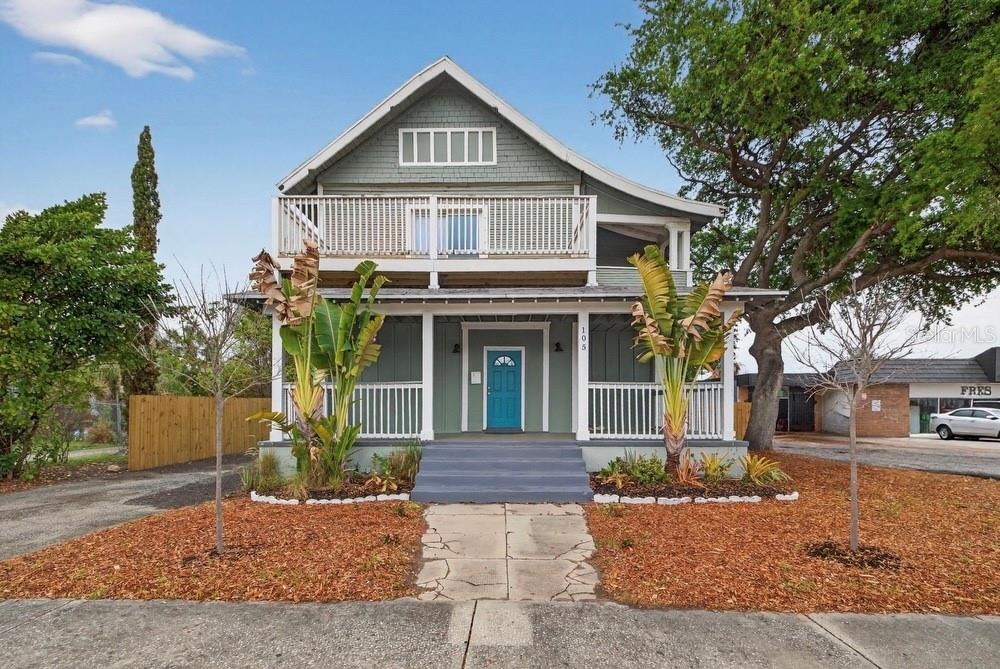
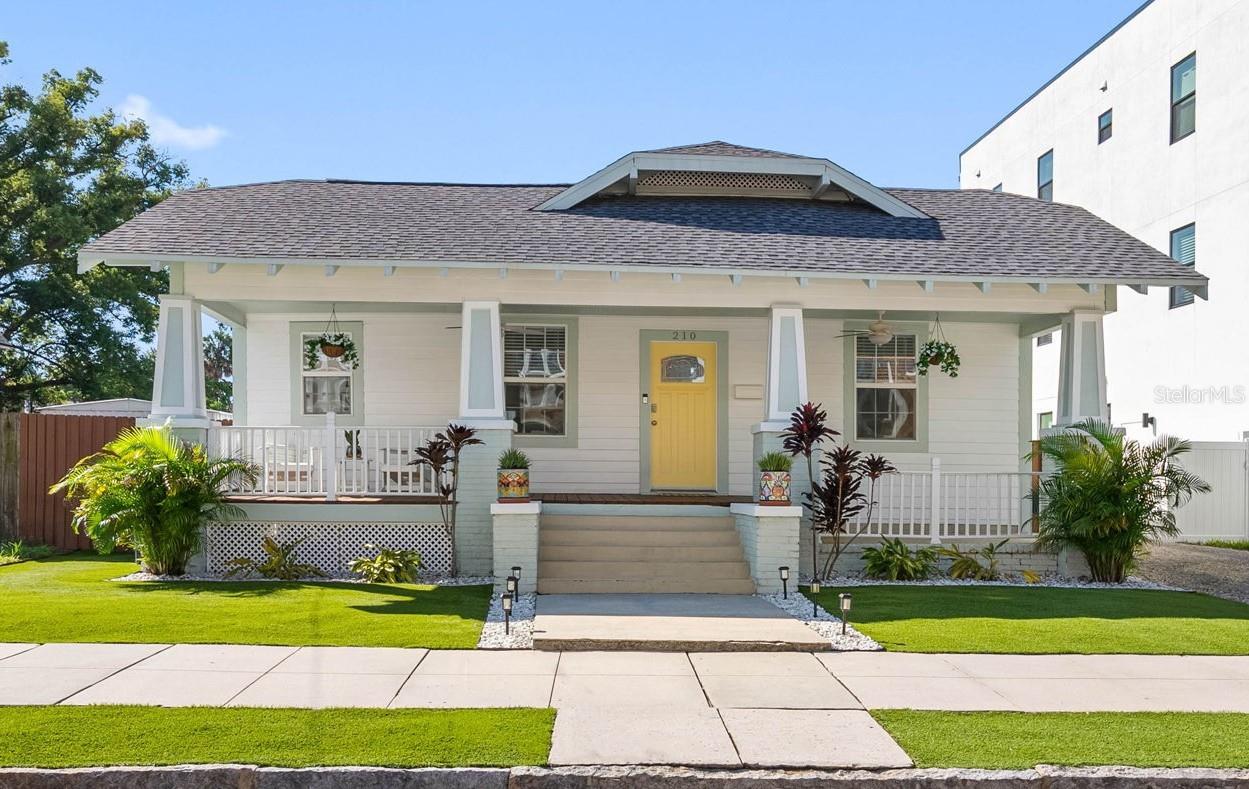
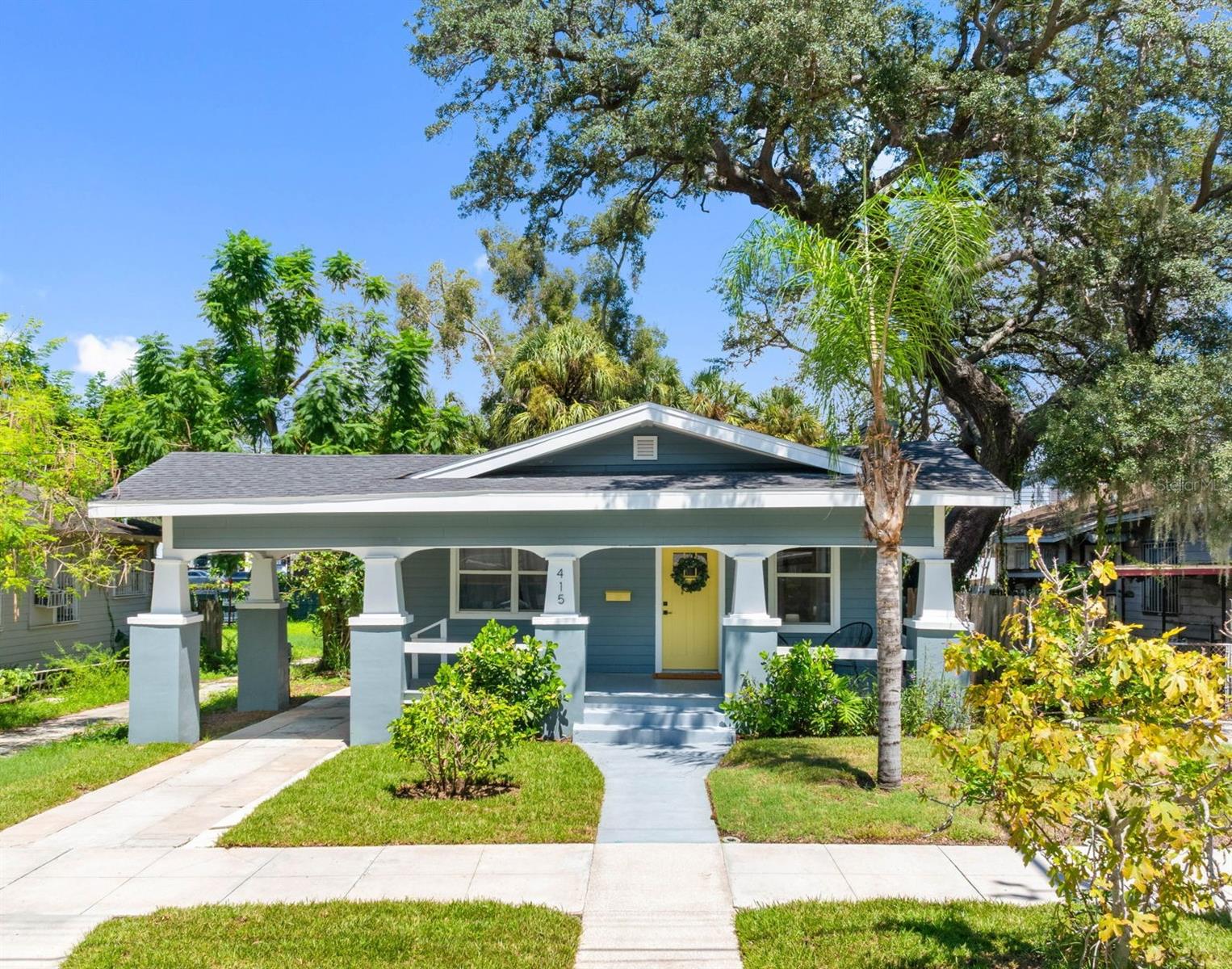
- Home styles: 1900s-1920s Victorian, craftsman bungalows, and Queen Anne homes; new townhomes and infill
- Price range: Roughly $400K to $900K; restored historic homes higher
- Best for: Urban pioneers, young professionals, and buyers who want character near downtown
Housing Market & Home Styles
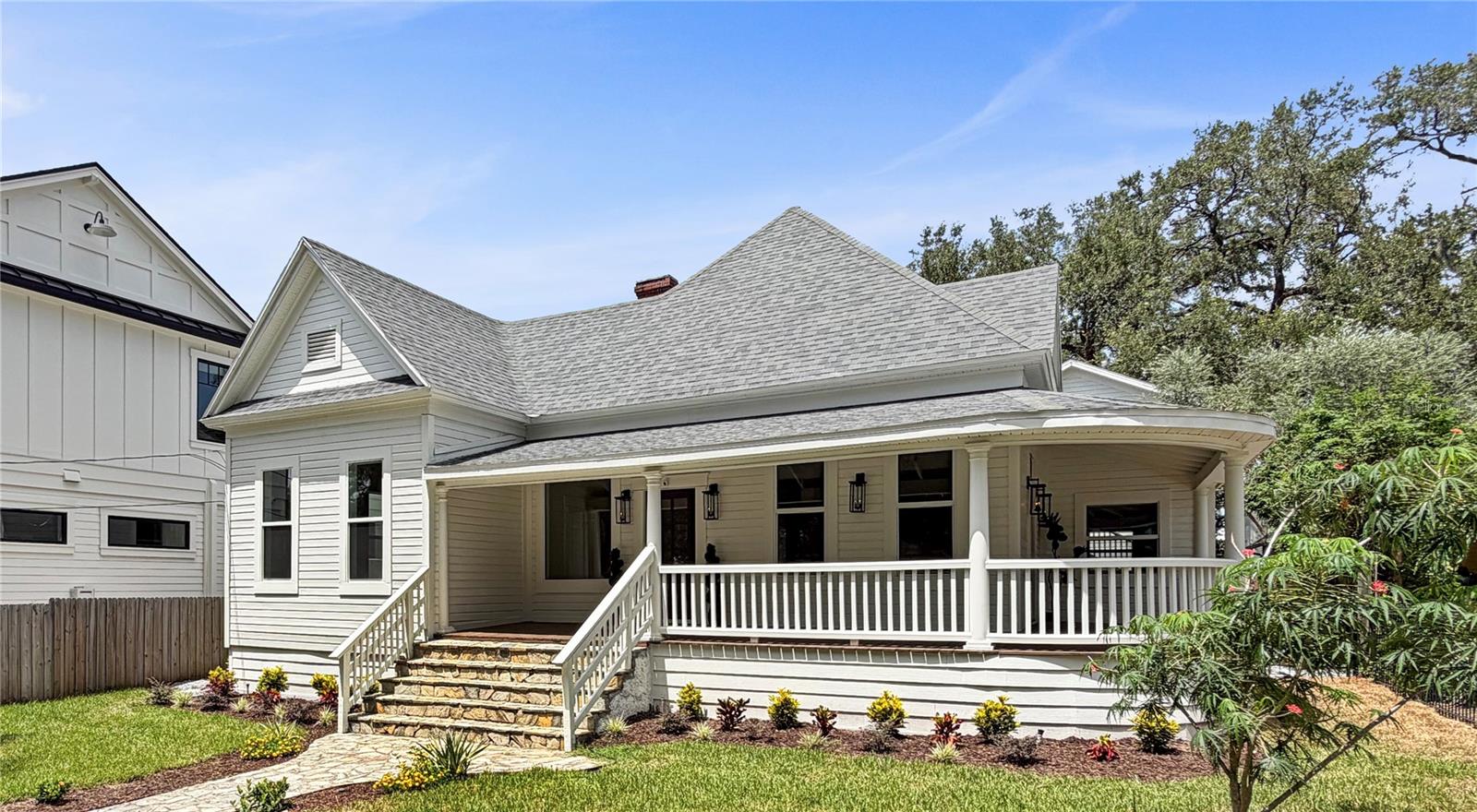
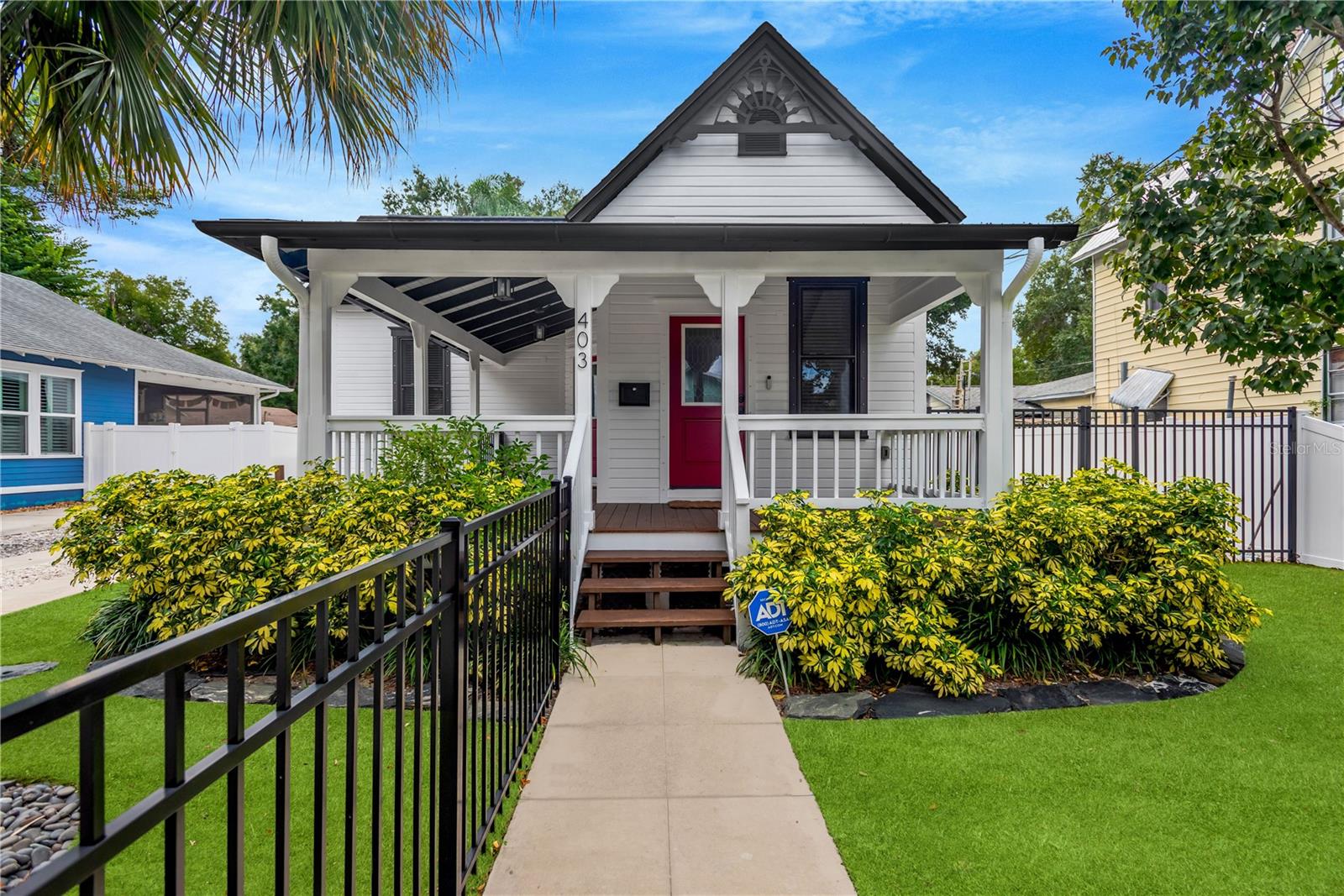
Tampa Heights' housing stock is its identity: Victorian-era homes, Queen Annes, and craftsman bungalows from the neighborhood's late-1800s and early-1900s heyday, many with the wraparound porches and original woodwork that define the district. Restored examples are genuine trophy properties; original-condition homes offer the renovation play.
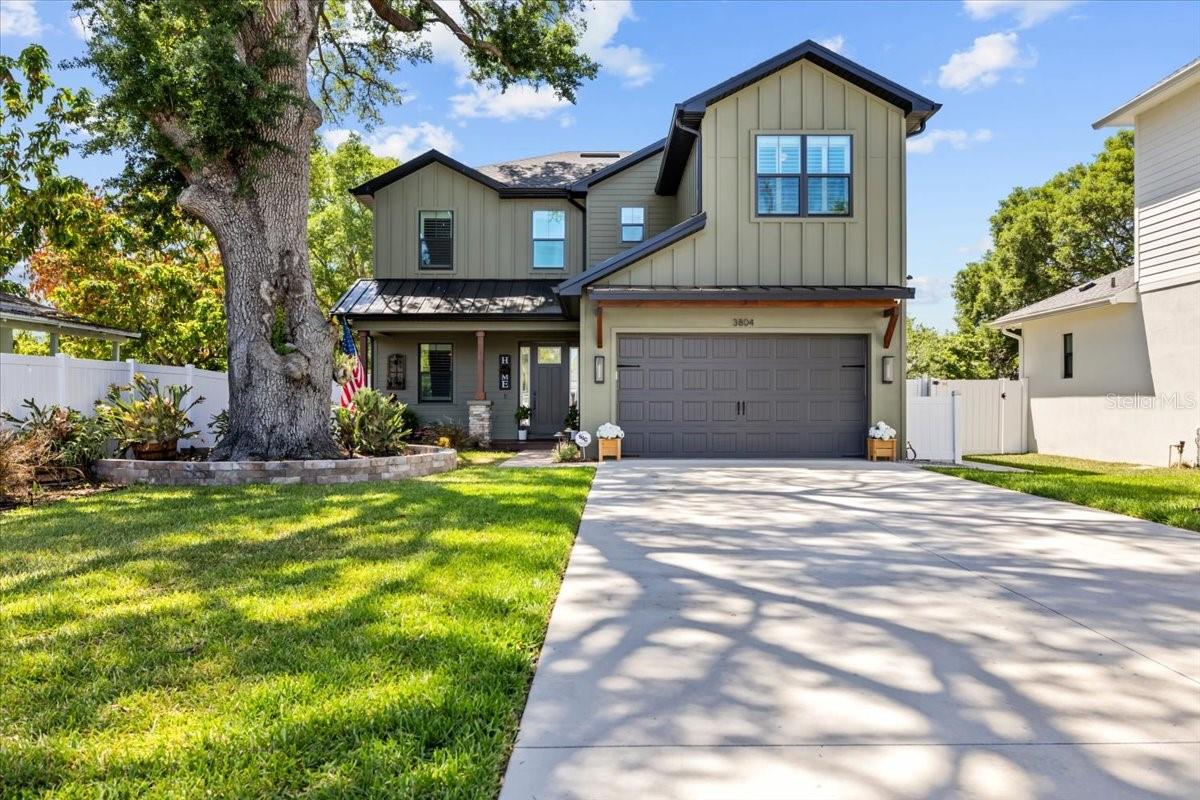
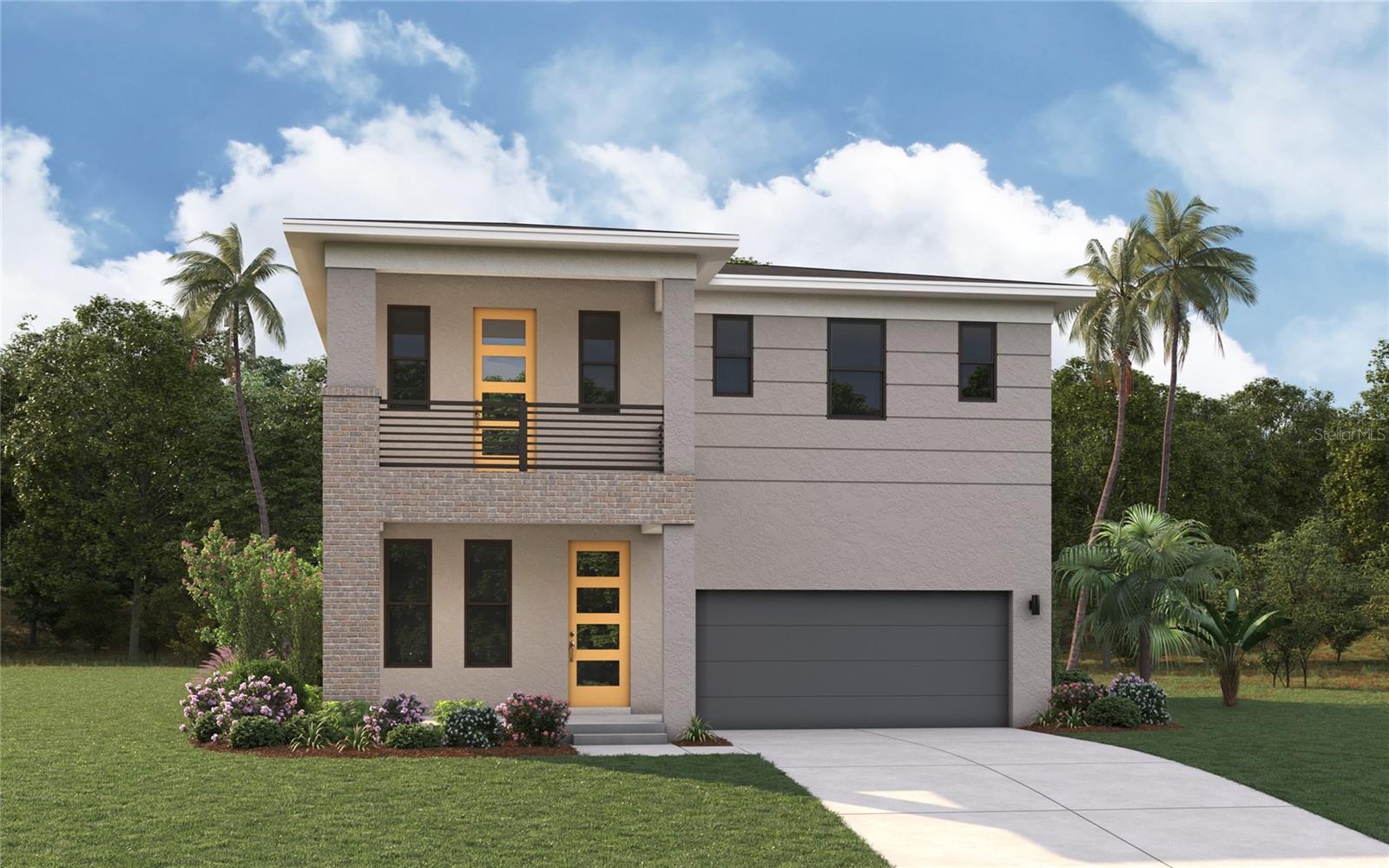
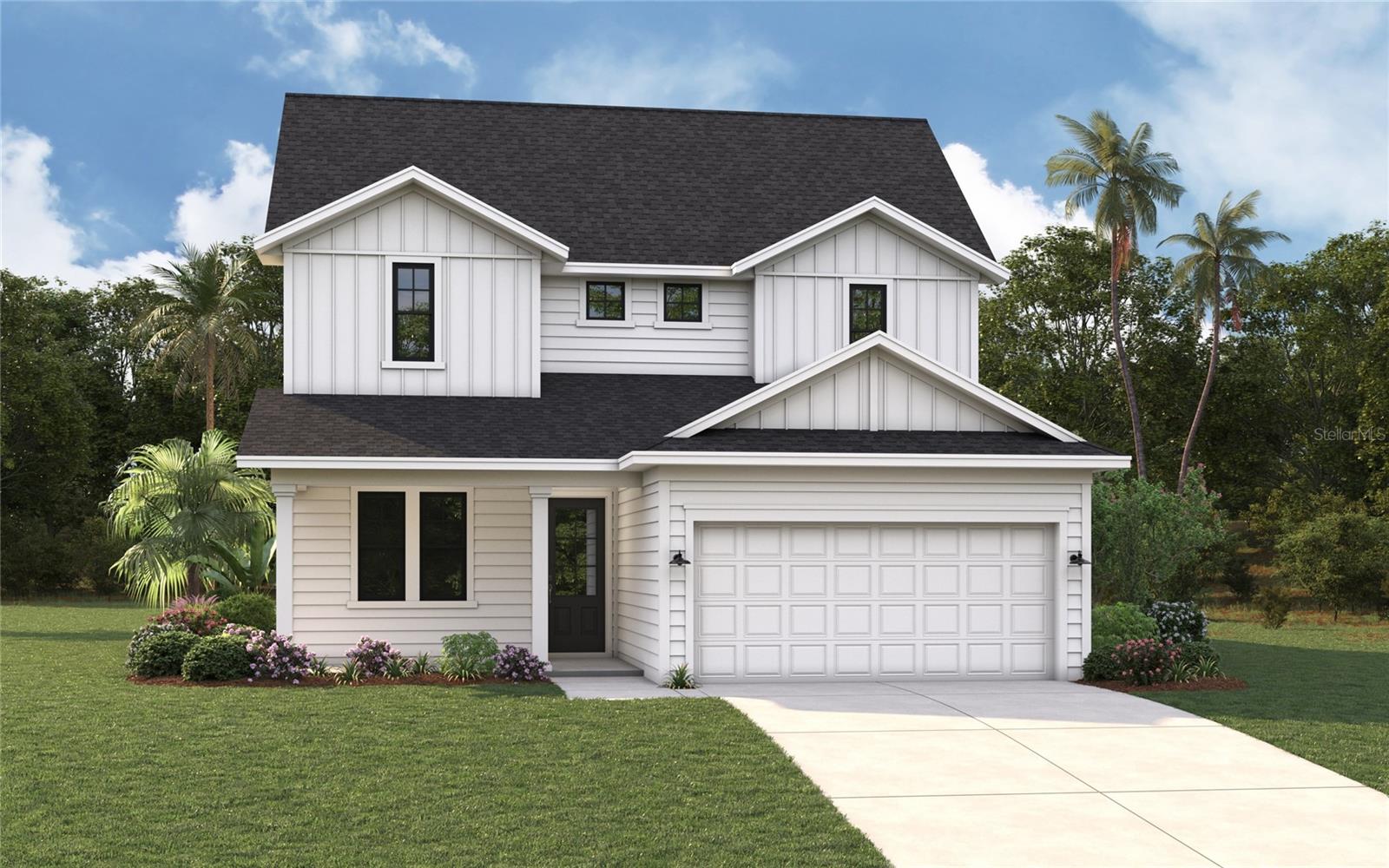
Pricing reflects the revitalization curve. Most homes trade between $400K and $700K, with restored historic properties pushing toward $900K+. New townhome infill — filling vacant lots and replacing teardowns — adds a modern low-maintenance option in the $500s to $700s. The trajectory has been steadily upward as Armature Works' gravity pulled investment northward.
The renovation math generally works here: purchase plus renovation costs typically land below the price of comparable restored homes. But historic district guidelines can affect exterior changes, so verify the rules before buying a project. And as with any revitalizing area, block-by-block diligence matters more than ZIP-code averages.
What distinguishes the Heights from other Tampa historic districts is the river. Properties with Hillsborough River frontage or views carry a meaningful premium, and the Riverwalk extension made the waterfront a daily amenity rather than a backdrop.
Schools
Tampa Heights families use Hillsborough County's magnet, charter, and choice programs alongside zoned neighborhood schools. The area's central location puts numerous educational options within easy reach, and many Heights buyers are young professionals without school-age children. Verify the specific zoned and choice options for any address.
Dining & Entertainment
The Heights' dining scene keeps expanding beyond the food hall: new restaurants are opening in restored historic storefronts along the main corridors, and the spillover from Seminole Heights' brewery district means craft beer is never far. For a neighborhood this size, the food-to-resident ratio is among the best in Tampa Bay.
Armature Works is the anchor that changed everything: the restored 1910 streetcar warehouse now holds the Heights Public Market — a food hall with local vendors — plus event spaces, offices, and a riverfront lawn that draws crowds daily. It's the neighborhood's living room, dining destination, and proof of concept all at once.
Beyond Armature Works, the Seminole Heights restaurant and brewery corridors sit just north, downtown Tampa's dining is minutes south, and the Riverwalk connects it all. The food radius keeps expanding as the residential population grows.
Parks & Recreation
The Hillsborough River is the neighborhood's defining amenity, and the Riverwalk's northern extension put it at residents' doorsteps — running, cycling, and strolling along the water to downtown. Water Works Park offers riverfront green space with a splash pad and playground. Julian B. Lane Riverfront Park sits just south with sports fields and a boathouse. The river itself supports kayaking and paddleboarding.
Commute & Location Advantages
Location is the Heights' structural advantage: downtown Tampa is 5 to 10 minutes south, Ybor City minutes southeast, and Seminole Heights minutes north. Tampa International Airport is about 20 minutes. The Riverwalk and surrounding bike infrastructure make downtown genuinely accessible without a car for residents near the river.
Who Lives Here & Community Life
The Heights draws Tampa's urban pioneers: young professionals who want historic character near downtown, creatives drawn by the architecture and the Armature Works energy, renovation-minded buyers building sweat equity, and longtime residents who never left. It's one of the city's most architecturally engaged communities — people here care about old houses.
Community life centers on the river and Armature Works: the Public Market's daily crowds, riverfront events, and the neighborhood's historic character. The Tampa Heights Civic Association is active, and preservation versus development debates give civic life real substance.
For buyers coming from bigger cities, the Heights offers the closest thing Tampa has to a historic urban village — walkable pockets, architectural character, and a food hall as a town square — at prices that feel like a different decade.
Market Trends & What Buyers Should Know
The Heights' appreciation story has been steady rather than explosive, which is healthier for buyers entering now. Unlike neighborhoods that spiked on speculation, the Heights grew on fundamentals — the food hall, the riverwalk, downtown proximity — which means current prices reflect real amenity value rather than hype. That's a firmer foundation for the next decade.
The Heights' trajectory is the investment thesis: a decade of steady revitalization anchored by Armature Works, the Riverwalk extension, and downtown's northward growth. Each wave of investment made the next more likely. The neighborhood is past the speculative early stage but still early relative to its potential — the sweet spot for buyers who want both character and appreciation.
Historic district considerations are the key diligence item. Portions of Tampa Heights fall within historic districts with design review for exterior changes. Understand the boundaries and the approval process before buying a renovation project — the rules protect values but constrain timelines.
Block-by-block variance remains real. The riverfront blocks and the Armature Works-adjacent streets lead; blocks farther east are earlier in their curve. Tour at different times of day, talk to neighbors, and buy the trajectory you can see, not just the one you hope for.
Local Insights Only a Tampa Native Would Know
Riverside Heights, the sub-neighborhood directly on the river north of Armature Works, is where the most dramatic transformations are happening — old industrial parcels becoming residential, with river views that didn't exist as an amenity a decade ago. Buyers watching the Heights should walk the riverfront blocks specifically; that's where the next chapter is being written.
Armature Works didn't just add a food hall — it proved the thesis. Before it opened, the Heights was a bet on potential. After it, the neighborhood had a gravitational center that pulled restaurants, residents, and investment northward. Every subsequent development references it. Buyers evaluating the Heights should understand they're buying into the second decade of that story, not the first.
The river is the amenity locals underrate and newcomers overrate. Underrate because the Riverwalk at sunrise is genuinely one of Tampa's best daily experiences; overrate because not every Heights block has river access, and the premium for true riverfront is real. Know which one you're buying.
And the honest comparison: the Heights versus Seminole Heights is the north-of-downtown fork. Seminole Heights offers the more established restaurant and brewery scene; the Heights offers the river, Armature Works, and closer downtown proximity. Young professionals split roughly evenly, and both neighborhoods keep appreciating — it's a good problem to have.
Frequently Asked Questions
What is the average home price in Tampa Heights?
Most homes trade between $400K and $700K, with restored historic properties pushing toward $900K+. New townhome infill generally runs $500K to $700K.
What is Armature Works?
Armature Works is the restored 1910 streetcar warehouse anchoring Tampa Heights, home to the Heights Public Market food hall, event spaces, offices, and a riverfront lawn. It's the neighborhood's centerpiece and the catalyst for its revitalization.
Is Tampa Heights a good investment?
The neighborhood's decade-long revitalization — anchored by Armature Works and the Riverwalk extension — plus downtown proximity and historic character form a strong thesis. Historic district rules and block-by-block variance require diligence.
Is Tampa Heights safe?
The neighborhood has improved significantly with revitalization, though conditions vary by block as in any transitioning urban area. Visit at different times of day and talk to residents before buying.
What historic districts affect Tampa Heights?
Portions of Tampa Heights fall within historic districts with design review requirements for exterior changes. Verify district boundaries and understand the approval process before buying a home you plan to renovate.
How far is Tampa Heights from downtown?
Downtown Tampa is 5 to 10 minutes south. The Riverwalk extension makes parts of the neighborhood genuinely walkable and bikeable to downtown.
Tampa Heights vs Seminole Heights: which is better?
Tampa Heights offers the river, Armature Works, and closer downtown proximity. Seminole Heights offers the more established restaurant and brewery scene. Both are revitalizing; the choice is lifestyle-driven.
What should I watch out for when buying a historic home here?
Get thorough inspections (electrical, plumbing, foundation, termites), understand historic district renovation rules, verify flood zones near the river, and get contractor quotes before closing on a project.
Thinking about buying in The Heights?
Revitalization markets reward buyers who can read the trajectory. Alan and Stefan have watched the Heights transform. Talk to ASG.