St. Petersburg, FL: Real Estate & Neighborhood Guide
St. Petersburg spent the 2010s quietly becoming one of Florida's coolest cities. Downtown's renaissance — the new Pier stretching into Tampa Bay, the Dali Museum's surreal glow on the waterfront, Central Avenue's mural-lined blocks — turned a sleepy retirement town into a place young professionals actively choose. For buyers who want walkable urban Florida with more soul per dollar than Tampa, St. Pete makes a strong case.
St. Petersburg at a Glance
- Location: Southern Pinellas County on Tampa Bay, roughly 25 miles southwest of Tampa; ZIPs 33701, 33705, 33710, 33713
- Vibe: Artsy, walkable, progressive; murals, museums, craft breweries, and waterfront parks
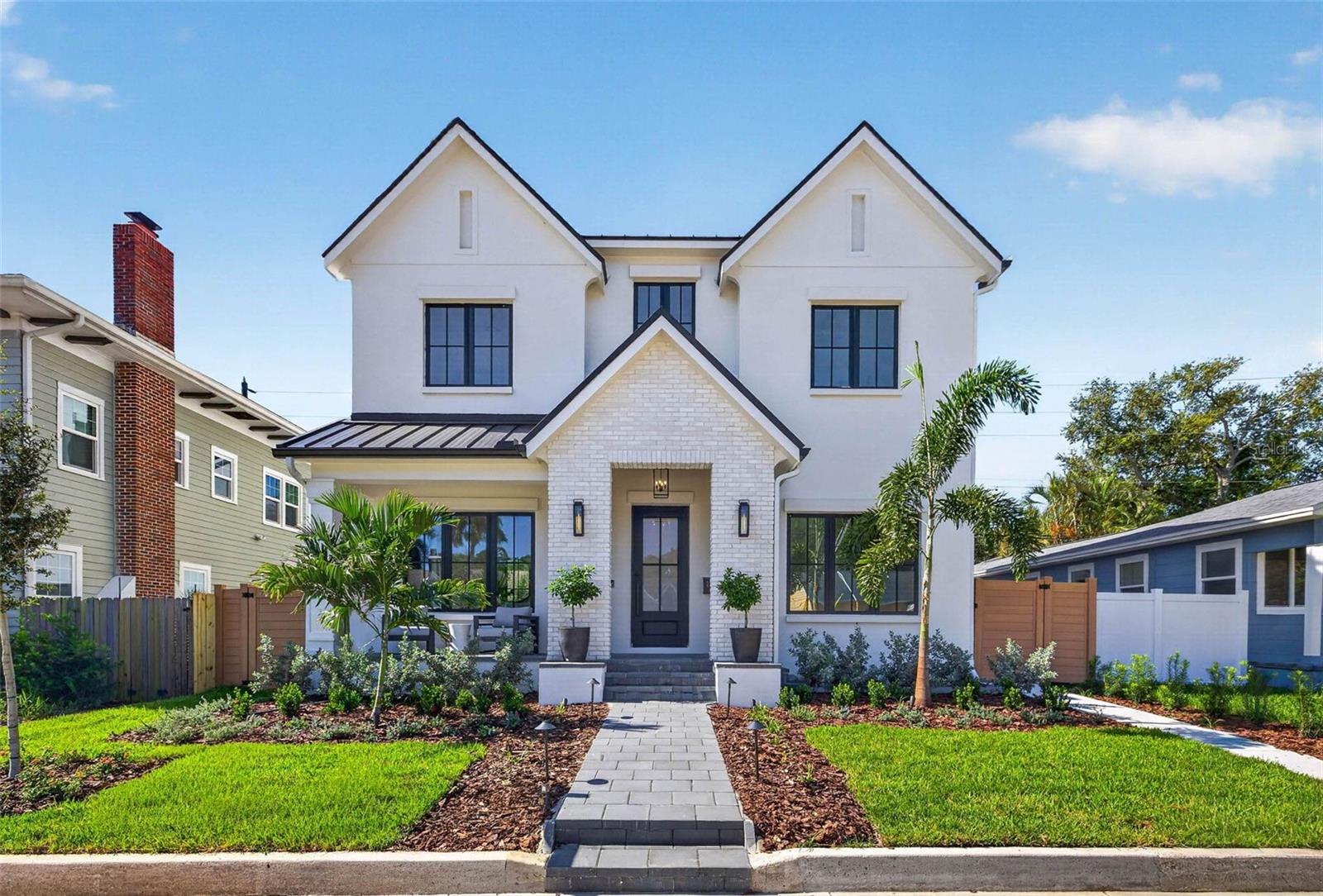
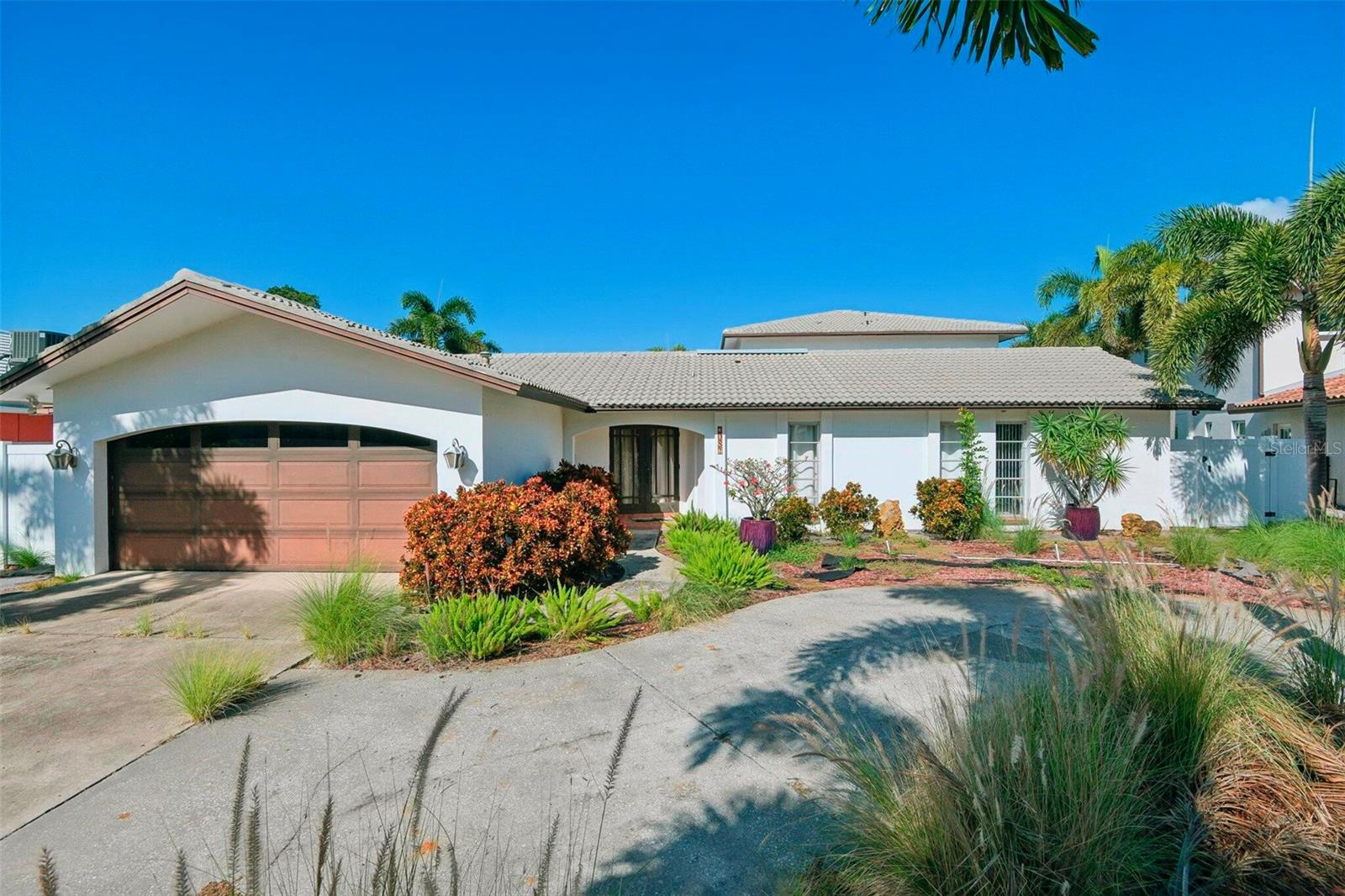
- Home styles: Downtown high-rise condos, historic Old Northeast homes, Historic Kenwood bungalows, new townhomes
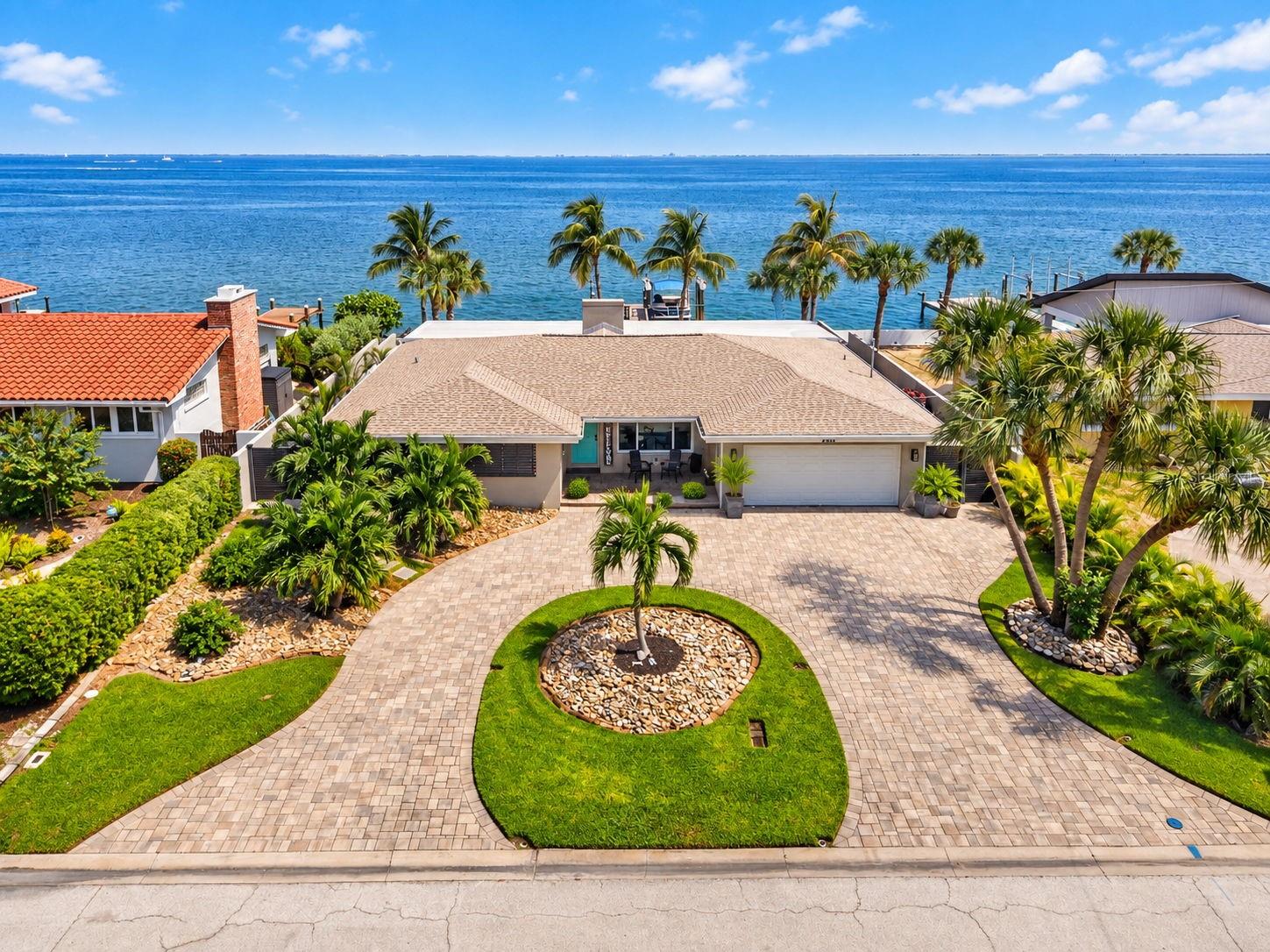
- Price range: Condos from the $300s; single-family roughly $450K to $1.2M; waterfront $1.5M+
- Best for: Arts lovers, walkability seekers, and buyers priced out of Tampa's core
Housing Market & Home Styles
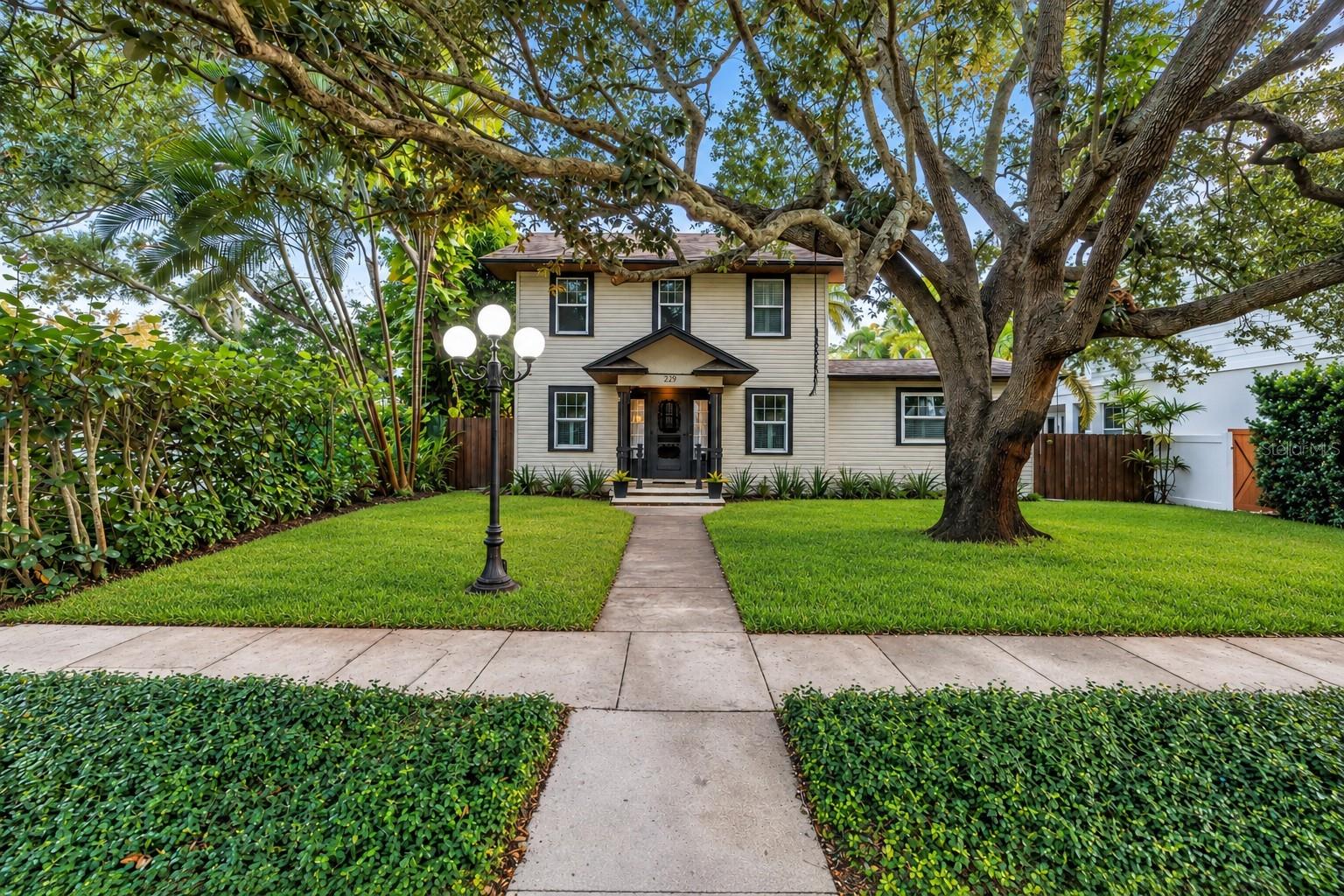
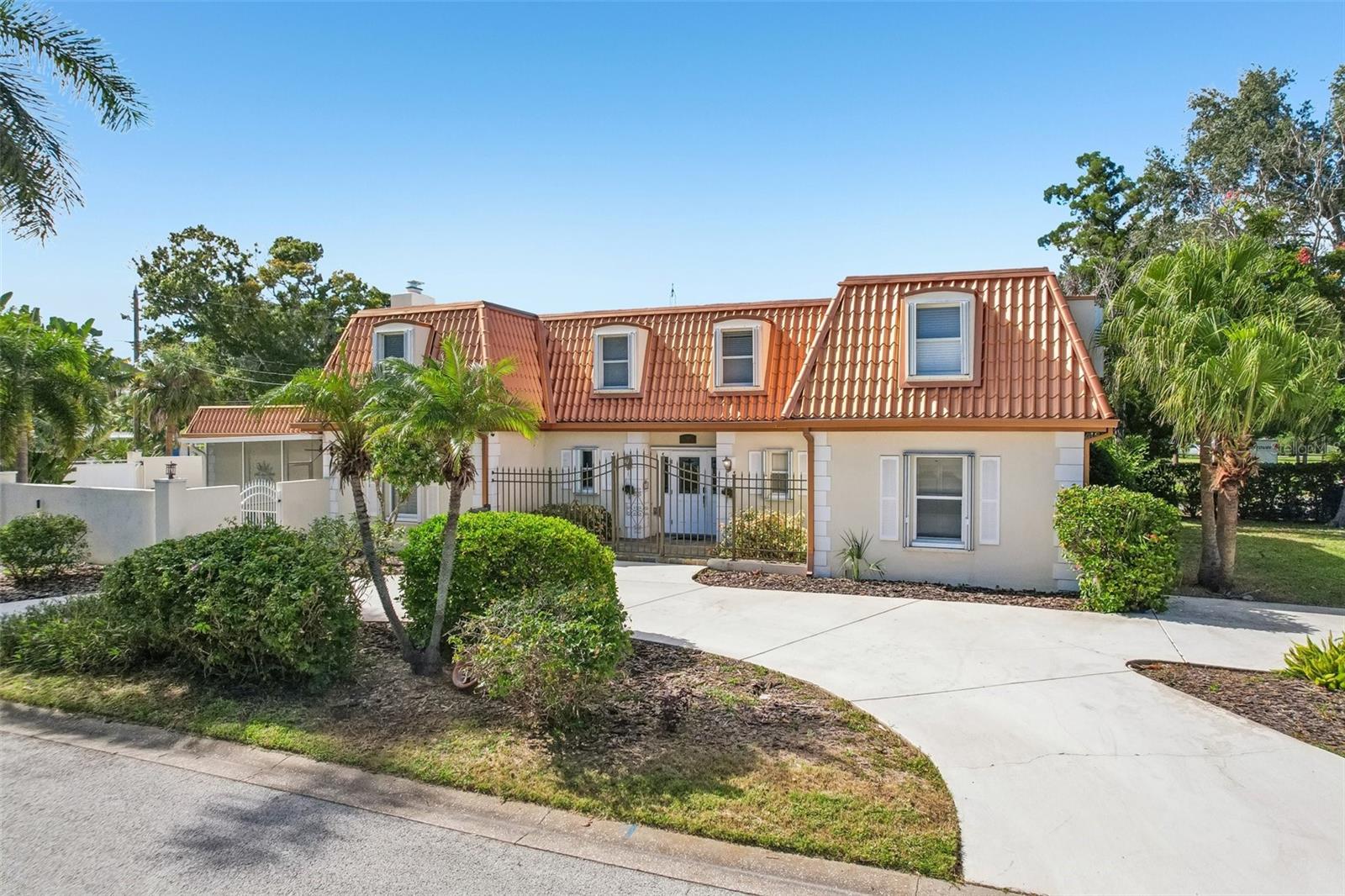
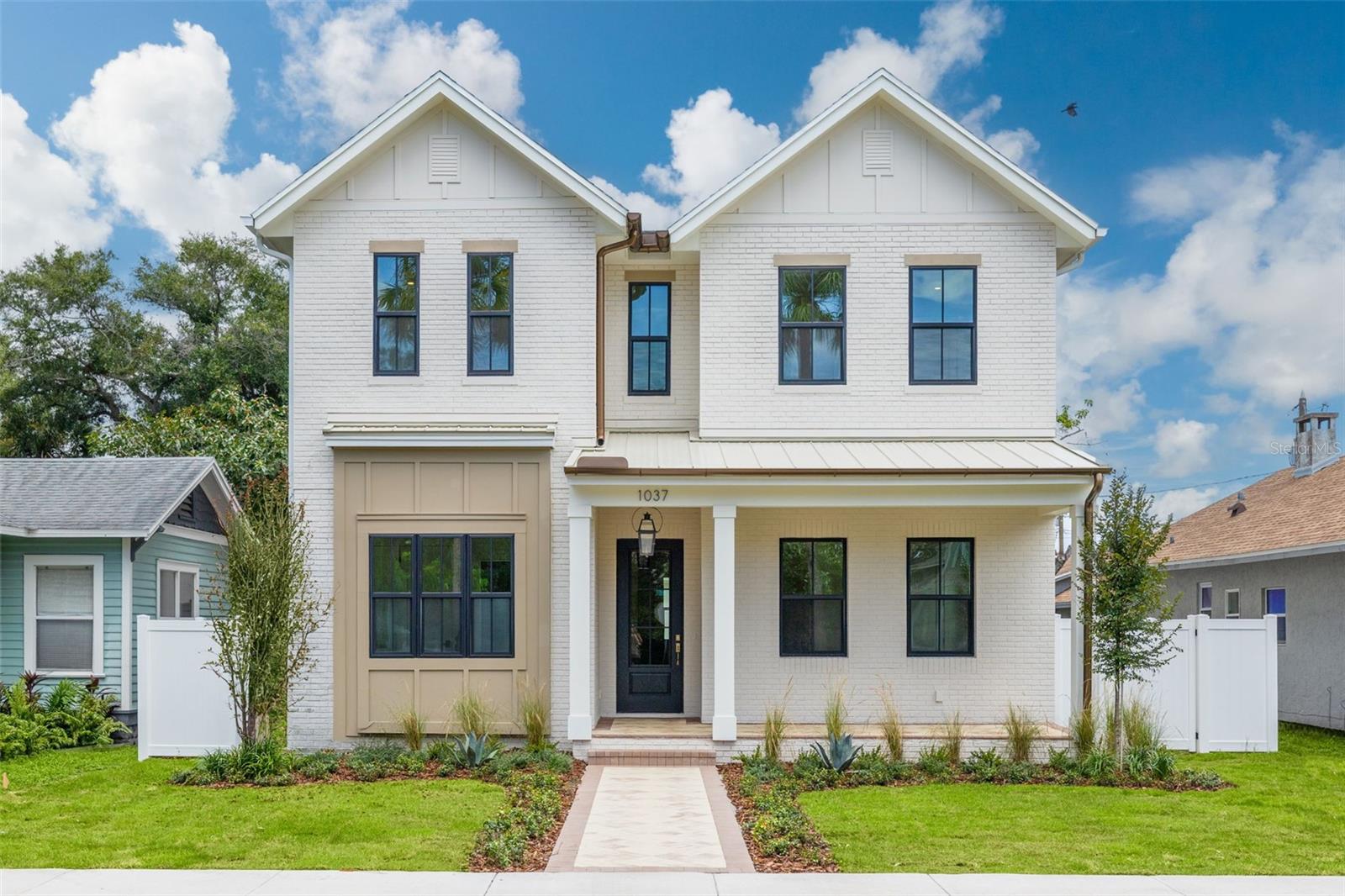
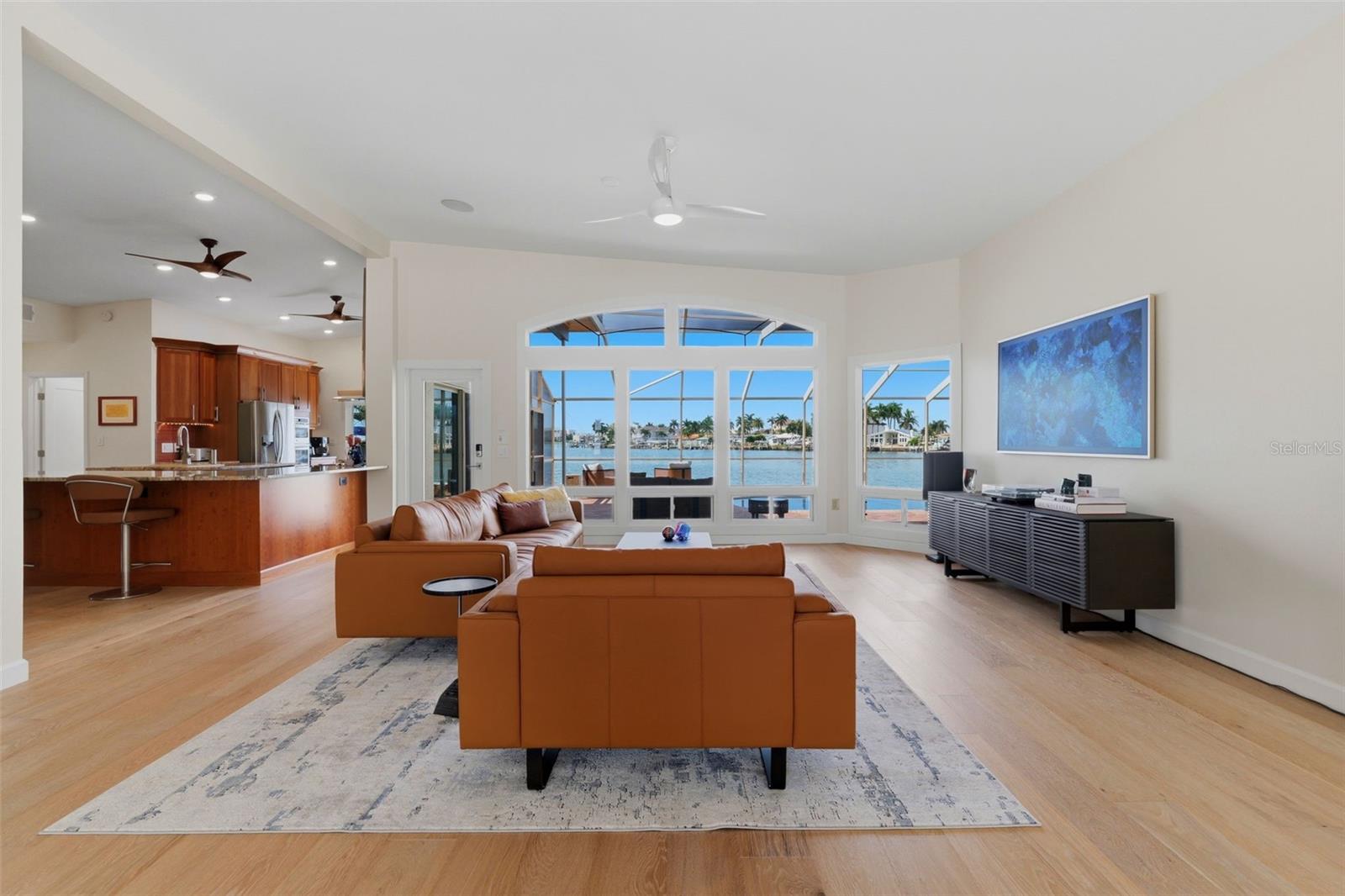
St. Pete's housing reflects its layered revival. Downtown holds the condo towers: ONE St. Petersburg, The Salvador, Parkshore Plaza, and the Rowland Place area, with units from the $300s to $1.5M+ for premier waterfront residences. The Old Northeast — the historic neighborhood north of downtown — offers brick streets, 1920s Mediterranean and craftsman homes, and some of the city's most coveted blocks. Historic Kenwood delivers artsy bungalow charm at relatively accessible prices, while the Grand Central District mixes historic homes with new townhome infill.
Pricing runs meaningfully below Tampa's luxury tier for comparable urban living, which is exactly why St. Pete draws Tampa-priced-out buyers. Downtown condos compete directly with Tampa's Channel District on lifestyle at a discount; Old Northeast competes with Hyde Park on character at a steeper discount.
The condo diligence rules apply here as elsewhere in Florida: reserves, engineering reports, insurance, and rental restrictions before anything else. St. Pete's older condo stock deserves the same post-Surfside scrutiny as anywhere.
Single-family inventory in the historic neighborhoods moves on character and condition. Restored Old Northeast homes with original details command strong premiums; Kenwood bungalows offer the renovation play for buyers with vision and contractor relationships.
Schools
St. Petersburg is served by Pinellas County Schools, with magnet and fundamental programs among the district's strengths:
- St. Petersburg High School — including the well-regarded IB program
- Strong magnet and fundamental options across grade levels
- Eckerd College and USF St. Petersburg for higher education
Private schools, including several established academies, operate throughout the city. Families should research the magnet application process early, as it's competitive.
Dining & Entertainment
Central Avenue is the main event: dozens of independent restaurants, craft breweries, wine bars, and cafes stretching from downtown through the Grand Central and Edge Districts. The St. Pete Pier added waterfront dining with bay views. The Dalí Museum, Museum of Fine Arts, and Chihuly Collection anchor the cultural scene. Tropicana Field hosts the Rays (stadium saga aside), and the Mahaffey Theater brings touring acts.
The Saturday Morning Market downtown is a beloved institution. And the brewery scene — Green Bench, 3 Daughters, Pinellas Ale Works and more — rivals anywhere in Tampa Bay.
Parks & Recreation
The St. Pete Pier is the signature: a 26-acre waterfront district with a promenade, splash pad, marketplace, and some of the best sunset views in Florida. Vinoy Park hosts festivals on the downtown waterfront. Boyd Hill Nature Preserve offers 245 acres of wilderness. The Pinellas Trail — 47 miles of paved multi-use path — runs through the city. Gulf beaches (St. Pete Beach, Treasure Island) are 20 to 30 minutes west.
Commute & Location Advantages
Downtown Tampa is roughly 25 to 35 minutes north via I-275 across the Howard Frankland Bridge or the Gandy Bridge. Tampa International Airport runs about 30 minutes. The SunRunner bus rapid transit connects downtown St. Pete to the beaches fare-free. Within St. Pete itself, downtown, Old Northeast, and the Grand Central District are genuinely walkable and bikeable.
The honest tradeoff mirrors Clearwater's: St. Pete works best for Pinellas-based professionals, remote workers, and buyers whose Tampa trips are occasional. Daily Tampa commuters should weigh the bridge drive carefully.
Who Lives Here & Community Life
St. Pete's population is the city's superpower: artists and creatives drawn by the cultural scene, young professionals priced out of Tampa, LGBTQ+ community members who made the Grand Central District a hub, longtime Florida families, and retirees who never left. It's one of Florida's most genuinely diverse cities, and that diversity is woven into daily life rather than marketed.
Community life runs through Central Avenue's third places — the breweries, coffee shops, and galleries where regulars are known. The mural program turned the whole city into a canvas. First Friday block parties, the Saturday market, and Pier events give the social calendar real structure.
For relocating buyers from bigger cities, St. Pete offers the easiest cultural landing in Tampa Bay. The arts density, walkability, and food scene compress the usual adjustment period dramatically.
Market Trends & What Buyers Should Know
St. Pete's condo market deserves the same scrutiny as Tampa's: building reserves, insurance, and rental rules first, finishes second. The city's older condo stock includes buildings where deferred maintenance meets new regulations, and the spread between well-managed and poorly-managed buildings shows up directly in both HOA trajectories and resale values.
St. Pete's decade-long run has been driven by the downtown renaissance compounding on itself: each new restaurant, museum expansion, and residential tower made the next one more viable. That flywheel is the investment thesis, and it still has room — the Pier district's continued evolution and ongoing downtown development keep adding demand drivers.
Historic neighborhood dynamics deserve attention. Old Northeast's desirability is established and durable; Historic Kenwood is earlier in its curve with more renovation upside and more block-by-block variance. Buyers should tour at different times of day and understand exactly which blocks they're buying into.
Flood zones are the universal diligence item in waterfront-adjacent St. Pete. Downtown waterfront, Old Northeast's bayfront streets, and Shore Acres differ dramatically from inland blocks. Elevation certificates and flood quotes belong in every inspection period.
Local Insights Only a Tampa Native Would Know
The Grand Central District's LGBTQ+ history isn't just cultural background — it's the reason the district has the walkable, independent-business character that draws buyers today. Understanding that history helps newcomers appreciate why the neighborhood feels different from generic revitalization projects. And for food lovers, the Central Avenue corridor's independent restaurant density is unmatched in Tampa Bay; locals plan entire weekends around it.
Old Northeast versus Historic Kenwood is the local fork that matters. Old Northeast is the established prestige play — brick streets, waterfront proximity, proven appreciation. Kenwood is the character-and-value play — artsy bungalows, earlier in the curve, more upside for buyers with renovation appetite. Both are great; they're different investments.
Central Avenue's parking is the running local joke with a real point: the avenue's success outgrew its parking, and weekend evenings require strategy. Residents learn the side-street spots; visitors circle. It's a small thing that tells you how far the district has come.
And the beach access point every local makes: living in St. Pete means the Gulf beaches are 20 minutes west, but the bay waterfront is your daily backyard. Buyers who fixate on beach proximity sometimes miss that the Pier, Vinoy Park, and the downtown waterfront deliver 90% of the water lifestyle with none of the barrier-island costs.
Frequently Asked Questions
What is the average home price in St. Petersburg FL?
Single-family medians run roughly $450K to $550K, with most homes trading between $400K and $900K. Downtown condos range from the $300s to $1.5M+. Waterfront properties reach $1.5M+.
Is downtown St. Petersburg walkable?
Yes — it's one of Florida's most walkable downtowns, with Central Avenue's restaurants and shops, the Pier, museums, and parks all accessible on foot. The SunRunner BRT connects downtown to the beaches.
What are the best neighborhoods in St. Petersburg?
Old Northeast for historic prestige, Historic Kenwood for artsy bungalow character, downtown for condo living, and the Grand Central District for walkable urban energy.
How are the schools in St. Petersburg?
Pinellas County Schools serve the city, with strong magnet and fundamental programs including St. Petersburg High's IB program. USF St. Petersburg and Eckerd College anchor higher education.
How far is St. Petersburg from Tampa?
Roughly 25 miles southwest of downtown Tampa, typically 25 to 35 minutes via I-275 depending on traffic. Tampa International Airport is about 30 minutes.
Is St. Petersburg a good investment?
A decade of downtown renaissance, cultural density, and walkability drive sustained demand. Historic neighborhoods offer character premiums; Kenwood offers earlier-curve renovation upside.
What is there to do in St. Petersburg?
The Dalí Museum, the Pier, Central Avenue dining and breweries, the Saturday Morning Market, Vinoy Park festivals, Tropicana Field, and Gulf beaches 20 minutes west.
Do I need flood insurance in St. Petersburg?
Near the waterfront and bayfront streets, very likely. Inland blocks are often lower risk. Always verify the FEMA flood zone for a specific address.
Thinking about buying in St. Pete?
St. Pete's neighborhoods each play differently — downtown condos, Old Northeast charm, Kenwood bungalows. Alan and Stefan know the blocks. Talk to ASG.