North Tampa, FL: Real Estate & Neighborhood Guide
North Tampa is the city's broad suburban north — Carrollwood's lake-dotted streets, the established neighborhoods around Lake Magdalene, and the corridors stretching toward the University of South Florida. It doesn't have South Tampa's cachet or downtown's energy, which is exactly the point: bigger lots, strong schools, and prices that let families breathe.
North Tampa at a Glance
- Location: North of downtown Tampa, roughly from Busch Blvd to the Pasco County line; ZIPs 33612, 33613, 33617, 33618, 33624
- Vibe: Suburban, established, family-oriented; lakes, golf courses, and shopping corridors
- Home styles: 1970s-2000s suburban homes, lakefront properties, townhomes, condos near USF
- Price range: Roughly $350K to $700K; lakefront homes $700K to $1.2M+
- Best for: Families seeking value, USF-affiliated buyers, and anyone priced out of South Tampa
Housing Market & Home Styles
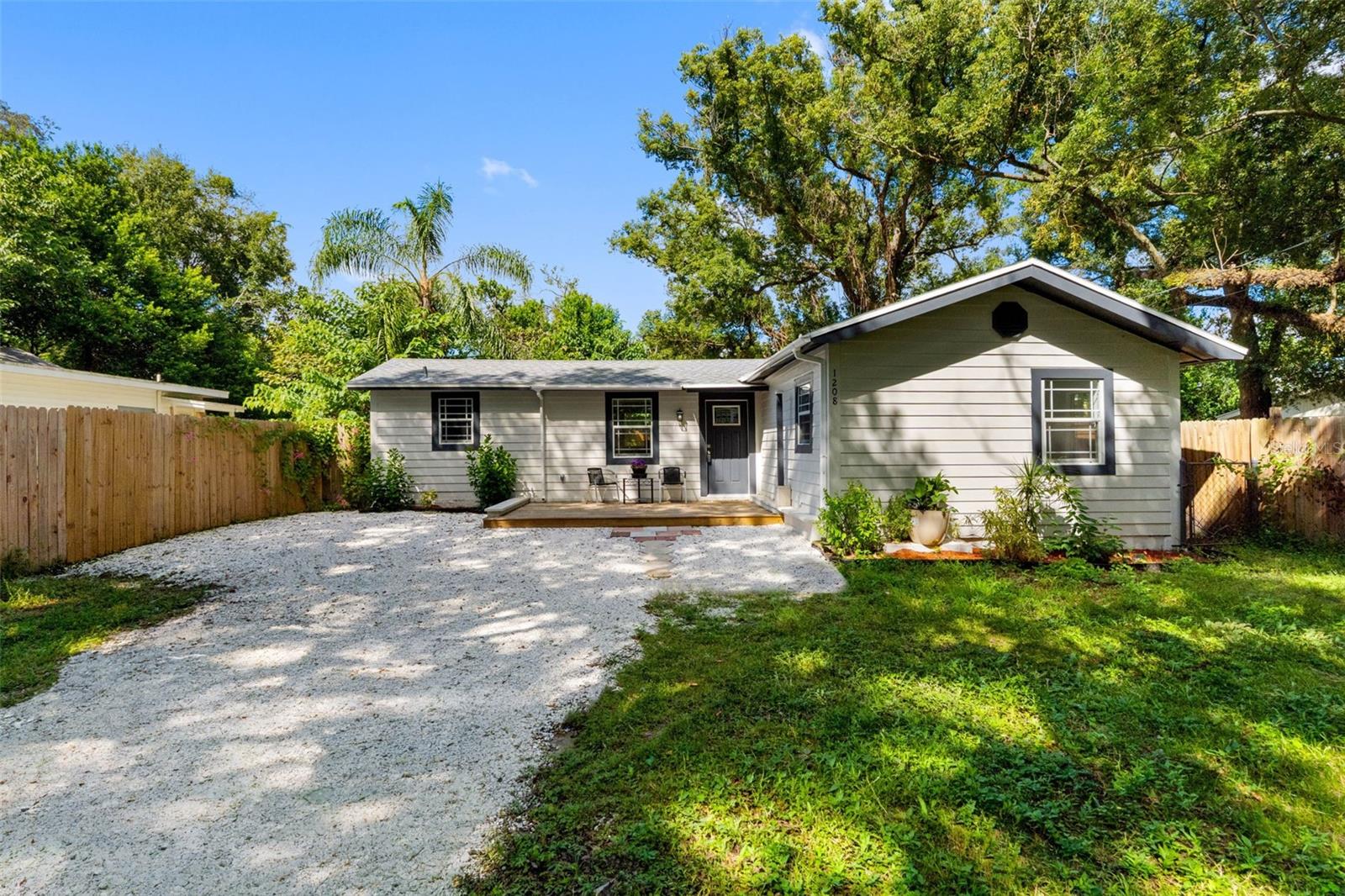
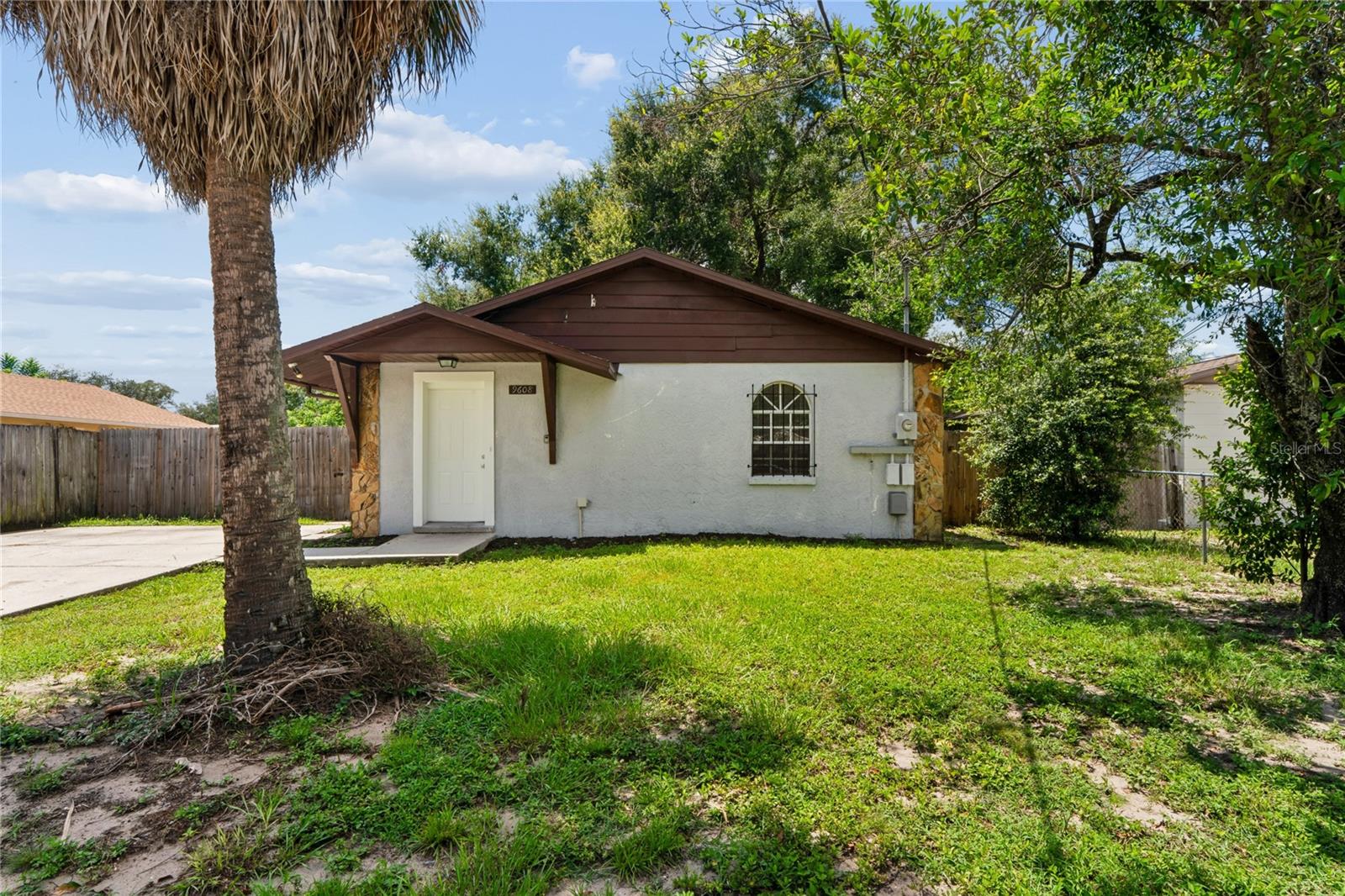
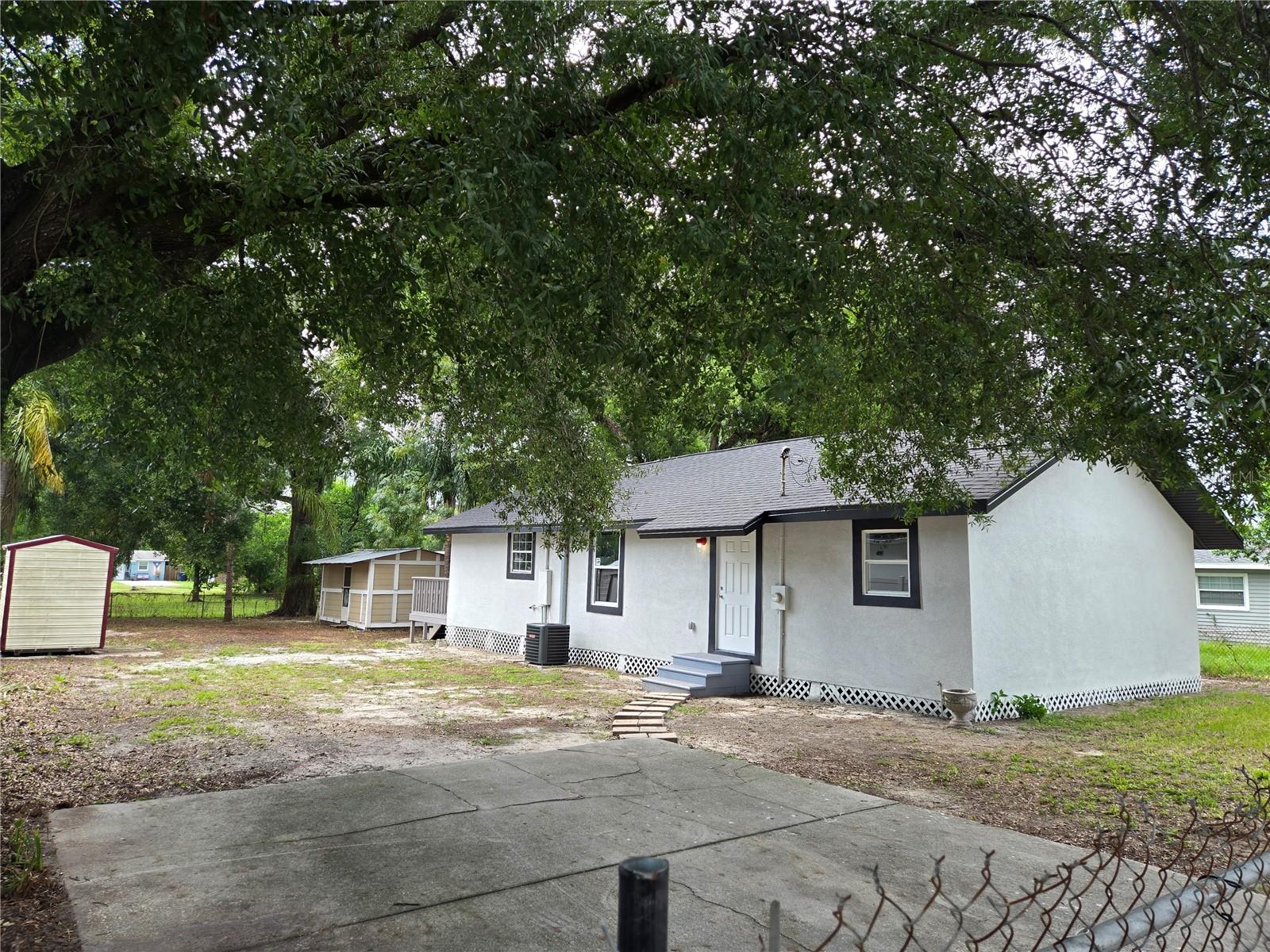
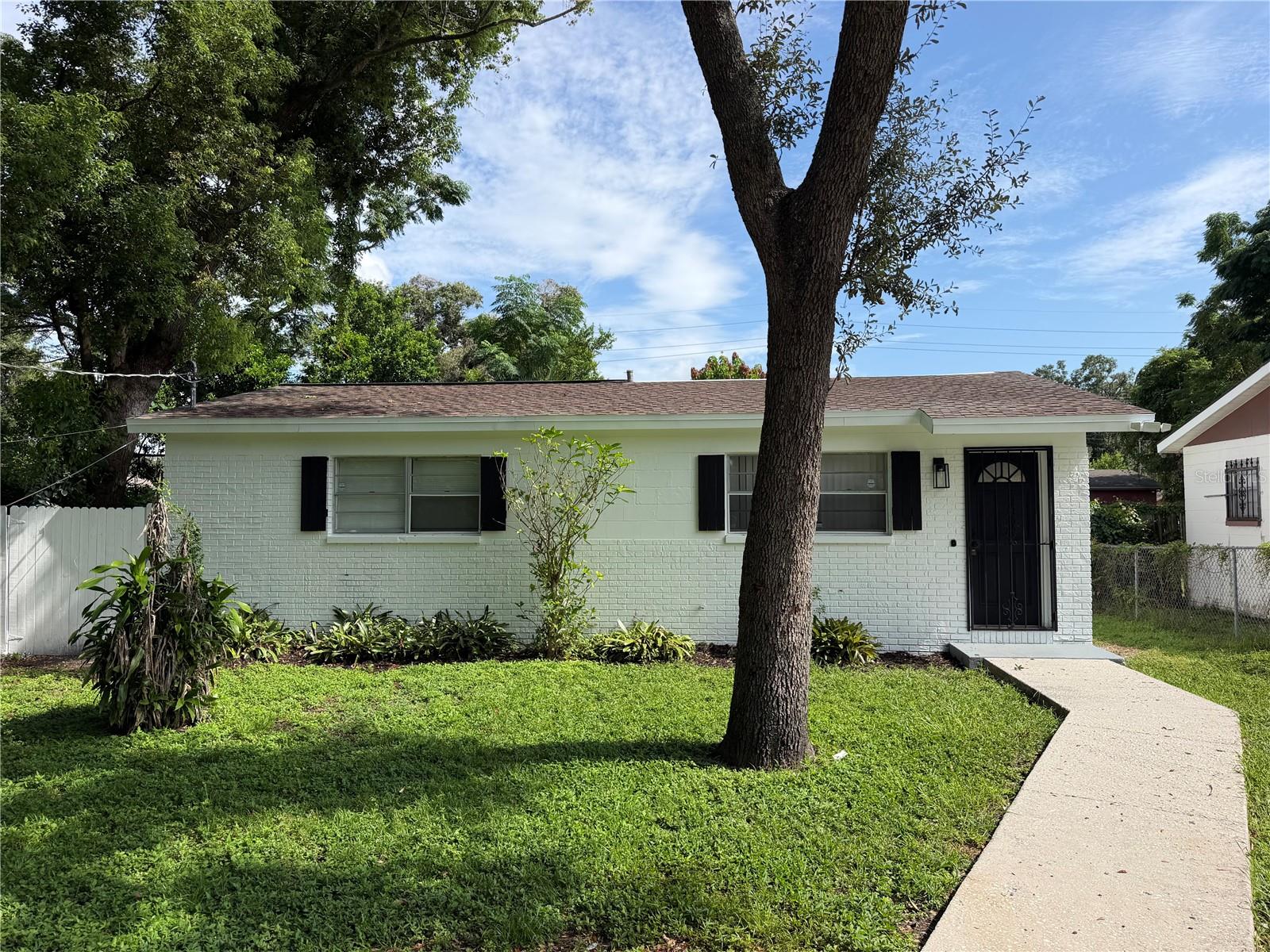
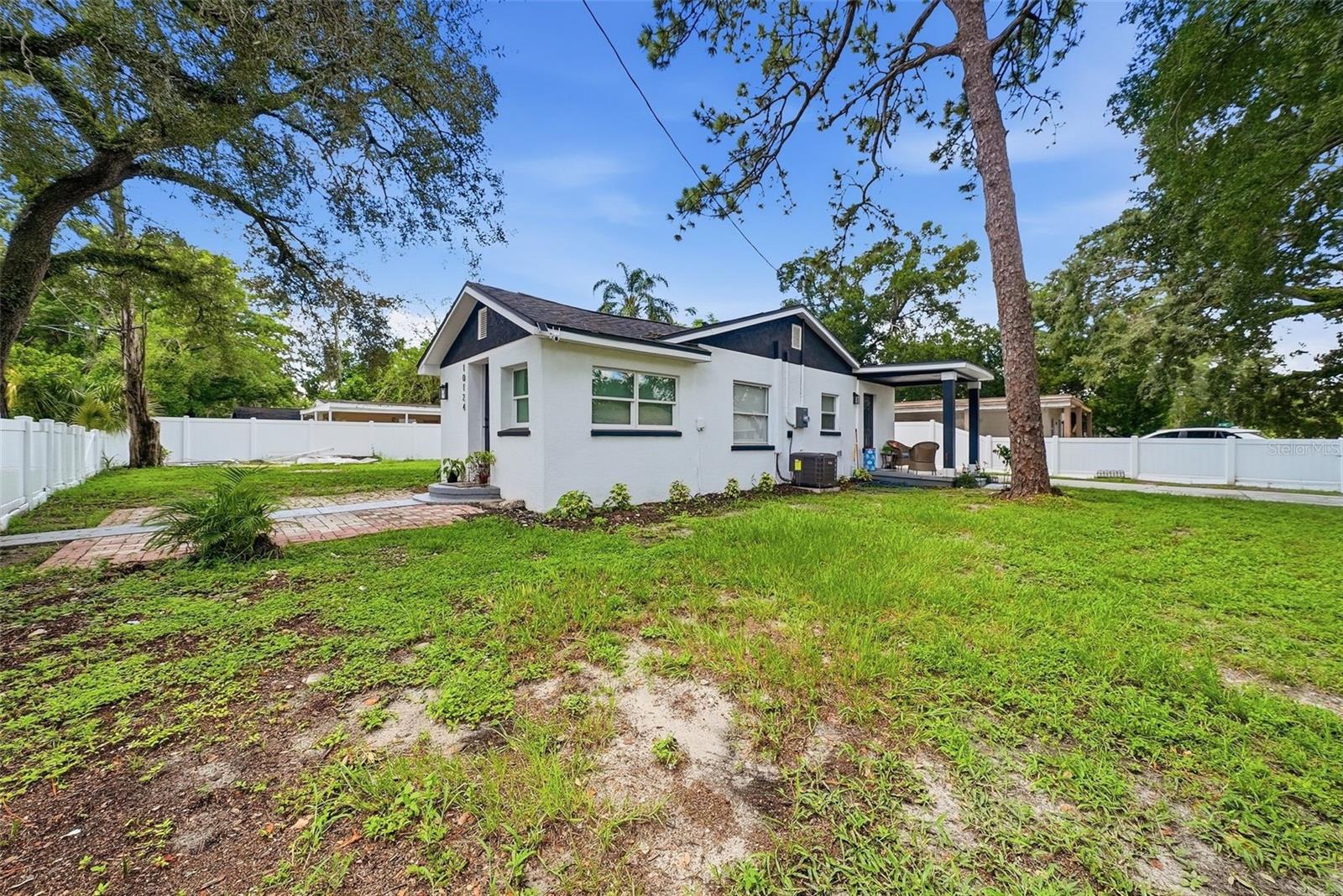
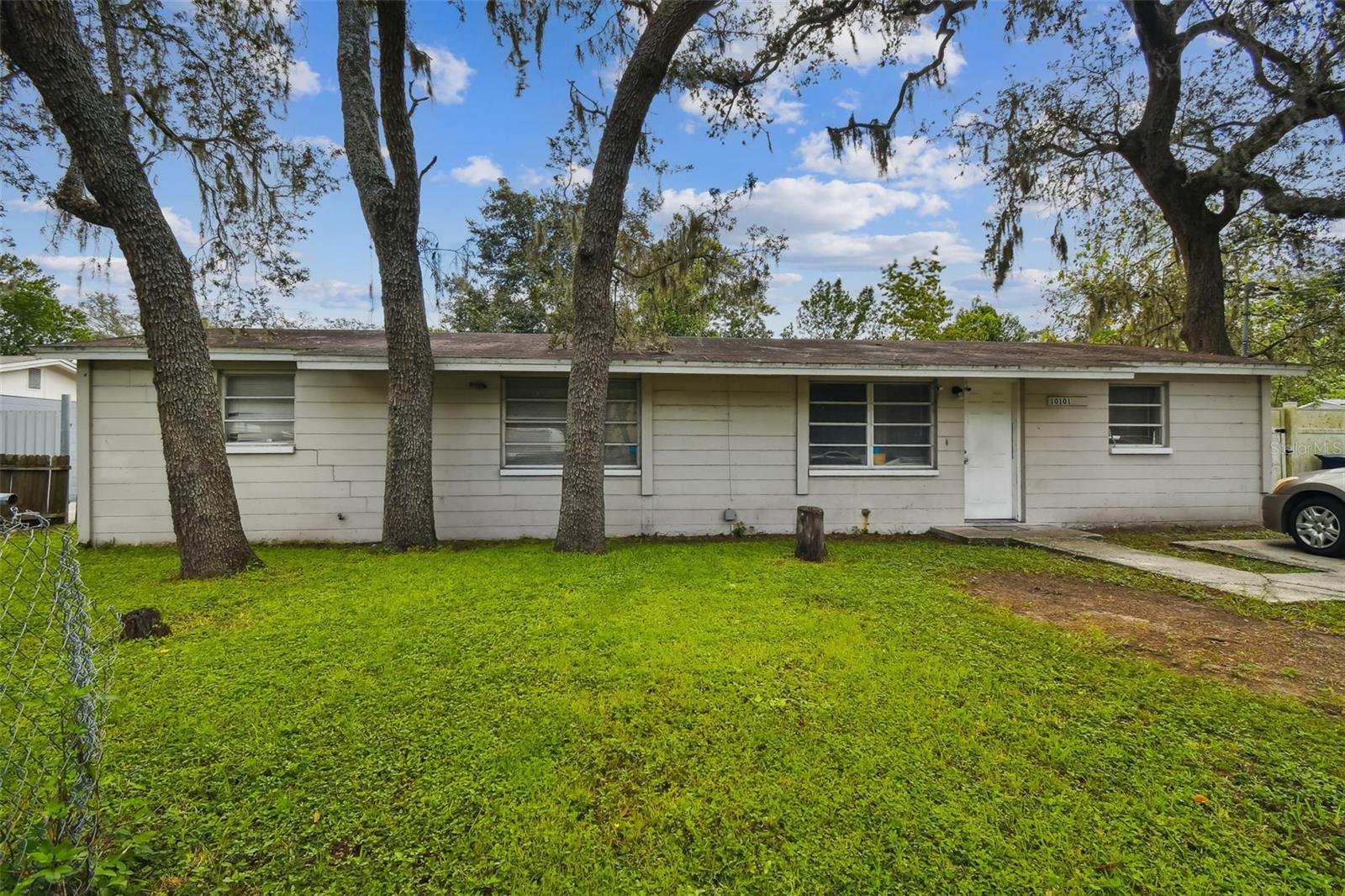
North Tampa's housing is classic Florida suburban: 3-to-5-bedroom single-family homes, many built between the 1970s and 2000s, on lots that feel generous by Tampa standards. Carrollwood is the premium pocket — lakefront streets, the Carrollwood Country Club, and mature landscaping command the area's highest prices. Lake Magdalene offers similar established character around its namesake lake.
Lakefront properties are the area's luxury tier: homes on Carrollwood's lakes or Lake Magdalene with private docks and water views run $700K to $1.2M+, a fraction of what waterfront costs in South Tampa. Inland, most family homes trade between $350K and $600K. Near USF, condos and townhomes serve students, staff, and investors at accessible price points.
The housing stock's age is the key diligence factor. Many North Tampa homes are 30 to 50 years old, which means roof age, HVAC condition, and plumbing updates matter enormously. A well-maintained 1980s home can be a fantastic value; a deferred one can be a money pit. Inspection diligence is not optional here.
New construction is limited compared to the booming suburbs east and south, which keeps North Tampa's market more about resale value than builder premiums. For buyers, that means negotiating on condition and updates rather than competing for lot releases.
Schools
North Tampa feeds into Hillsborough County Public Schools with several strong options:
- Gaither High School — well-regarded, serving the Carrollwood area
- Chamberlain High School — historic school serving central North Tampa
- Carrollwood Elementary and area elementary schools with solid reputations
- University of South Florida — the area's anchor institution, driving rental demand and cultural programming
Numerous charter, magnet, and private schools operate in the area. USF's presence also means continuing education, athletics, and arts programming that most suburbs lack.
Dining & Entertainment
North Tampa's dining runs along its commercial corridors: Dale Mabry Highway and Bruce B. Downs Boulevard hold the everyday mix of chains and local favorites. Citrus Park Town Center anchors shopping to the northwest. The Carrollwood area has its own established restaurant row with longtime local institutions.
Busch Gardens Tampa Bay sits at North Tampa's southern edge — part theme park, part neighborhood landmark. Downtown Tampa's entertainment is 20 to 30 minutes south, and the USF area adds college-town energy with more affordable dining.
Parks & Recreation
Lettuce Lake Regional Park is the crown jewel: 240 acres along the Hillsborough River with boardwalks, kayaking, and some of the region's best birdwatching. Lake Park in Lutz offers 589 acres of wilderness. The area's many lakes — Magdalene, Carroll, White Trout — support fishing, kayaking, and lakeside living. Golfers get the Carrollwood Country Club and several public courses.
For families, the county park system covers youth sports, playgrounds, and community centers throughout North Tampa. The Hillsborough River itself is the recreational spine, with paddling launches up and down its length.
Commute & Location Advantages
I-275 is North Tampa's primary artery south to downtown (20 to 30 minutes) and north toward Pasco. I-75 serves the eastern edge. Veterans Expressway (toll) offers a faster northwest route. Tampa International Airport is typically 25 to 35 minutes. USF's central location makes it commutable from most of North Tampa in under 20 minutes.
The honest tradeoff: North Tampa is car-dependent, and rush-hour congestion on Dale Mabry and Bruce B. Downs is real. But the commutes are straightforward highway runs rather than the stop-and-go surface-street slogs of denser areas.
Who Lives Here & Community Life
North Tampa's population is established suburban Florida: longtime residents who bought decades ago, young families stretching into their first single-family home, USF faculty and staff, and medical workers tied to the area's hospitals. Carrollwood skews slightly more affluent; the USF corridor skews younger and more transient.
Community life runs through schools, youth sports, lake activities, and the country club set. It's the kind of area where neighbors know each other from the school pickup line and the Saturday soccer fields. For buyers seeking community without pretense, North Tampa delivers.
Relocating buyers often land here after sticker shock elsewhere. The value equation — space, schools, and lakes at South Tampa discounts — is immediately legible, and the adjustment period is short.
Market Trends & What Buyers Should Know
North Tampa's long-term outlook benefits from steady institutional demand. USF's continued growth — enrollment, research funding, and the medical district — provides a durable economic base that doesn't depend on tourism or luxury cycles. For buyers, that means a market driven by people who live and work here, which has historically meant fewer dramatic swings in either direction.
North Tampa's market is steady rather than spectacular, which is its appeal. Demand comes from families and USF-affiliated buyers rather than speculators, so pricing moves on fundamentals: condition, schools, and lakefront premiums. Well-maintained homes in Carrollwood move quickly; deferred-maintenance homes sit until priced accordingly.
The USF rental market deserves separate attention for investors. Student and staff housing demand is deep and consistent, but landlord regulations, HOA rental caps, and property management realities require homework. The best investor buys are near — not on — campus, where professional tenants stabilize the tenant mix.
Flood zones matter around the lakes and the Hillsborough River. Most of North Tampa is Zone X, but lakefront and river-adjacent properties differ. Verify the FEMA zone for any specific address, and get insurance quotes during the inspection period.
Local Insights Only a Tampa Native Would Know
The Lutz border is worth understanding: homes just north in Lutz (Pasco County) often get lumped into North Tampa searches, but the county line changes schools, taxes, and services. Some buyers prefer Pasco's lower taxes; others prefer Hillsborough's schools. Know which side of the line you're on before comparing prices.
Carrollwood is the name that carries weight in North Tampa, but locals know the distinction between original Carrollwood — the lakefront streets with the country club — and the broader Carrollwood area that got the name by proximity. The original commands the premium; the distinction matters when comparing listings.
Lakefront premiums in North Tampa are the best waterfront value in the metro. A lakefront home on Lake Magdalene costs a fraction of bayfront in South Tampa, with private dock, water views, and ski-able water. For boating families who don't need salt water, it's the smartest money in Tampa real estate.
And the USF note: the university's growth keeps pushing demand northward, which has steadily lifted the corridors around campus. Buyers who bought near USF a decade ago have done very well. The same dynamics — enrollment growth, medical district expansion — are still in play.
Frequently Asked Questions
What is the average home price in North Tampa?
Most North Tampa single-family homes trade between $350K and $600K. Carrollwood and lakefront properties run higher, from $600K to $1.2M+ for lakefront homes with docks.
What are the best neighborhoods in North Tampa?
Carrollwood is the premium pocket with lakefront streets and the country club. Lake Magdalene offers established character. The USF corridor provides value and rental demand.
How are the schools in North Tampa?
North Tampa feeds into Hillsborough County Public Schools including Gaither High, Chamberlain High, and solid elementary options. The University of South Florida anchors higher education.
How far is North Tampa from downtown?
Roughly 20 to 30 minutes via I-275 depending on the specific neighborhood and traffic. Tampa International Airport is typically 25 to 35 minutes.
Is North Tampa a good place to raise a family?
Yes — it's one of Tampa's most family-oriented areas, with lakes, parks, youth sports, and schools at prices well below South Tampa.
Is North Tampa in a flood zone?
Most of North Tampa is Flood Zone X (minimal risk), but lakefront and Hillsborough River-adjacent properties can differ. Always verify the FEMA zone for a specific address.
Is North Tampa a good investment?
The area offers steady, fundamentals-driven demand from families and USF affiliates. Lakefront properties and well-maintained Carrollwood homes have historically held value well.
What is there to do in North Tampa?
Lettuce Lake Park, Busch Gardens, the area's many lakes for boating and fishing, Carrollwood Country Club golf, and Citrus Park shopping. Downtown Tampa is 20 to 30 minutes south.
Thinking about buying in North Tampa?
North Tampa's submarkets reward local knowledge: lakefront premiums, school zones, and flood maps. Alan and Stefan know them all. Talk to ASG.