Beach Park, Tampa FL: Real Estate & Neighborhood Guide
Beach Park is South Tampa's quiet luxury enclave. Tucked west of the peninsula's core, closer to the Westshore business district and Tampa International Airport, it trades Hyde Park's bustle for larger lots, newer construction, and some of the calmest residential streets in the city. For executives, relocating families, and buyers who want South Tampa schools and prestige without the foot traffic, Beach Park is often the answer.
Beach Park at a Glance
Location
Western South Tampa, east of the Westshore district; ZIP 33609
Vibe
Quiet, established, family-oriented; luxury without the scene
Home styles
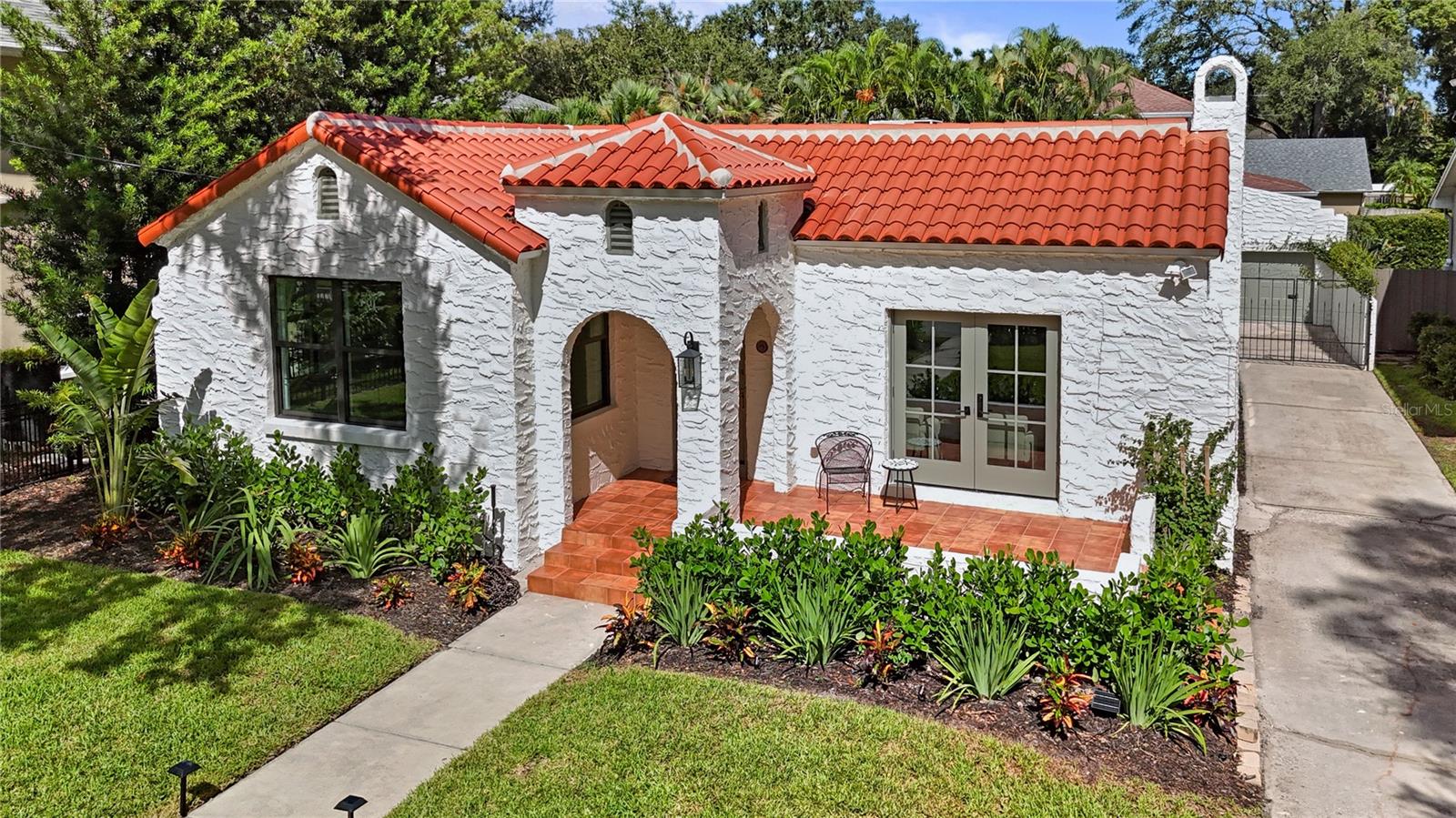
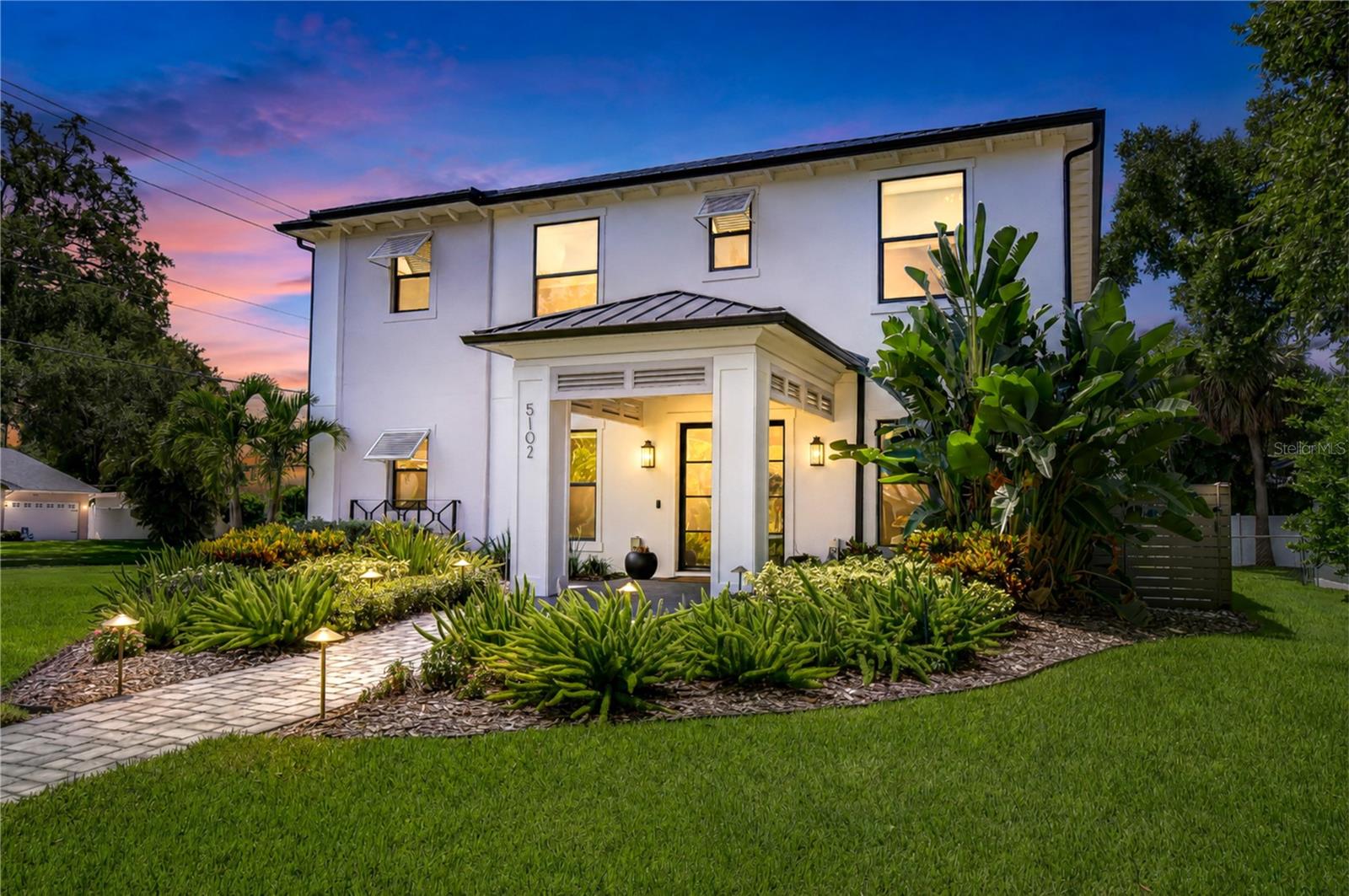
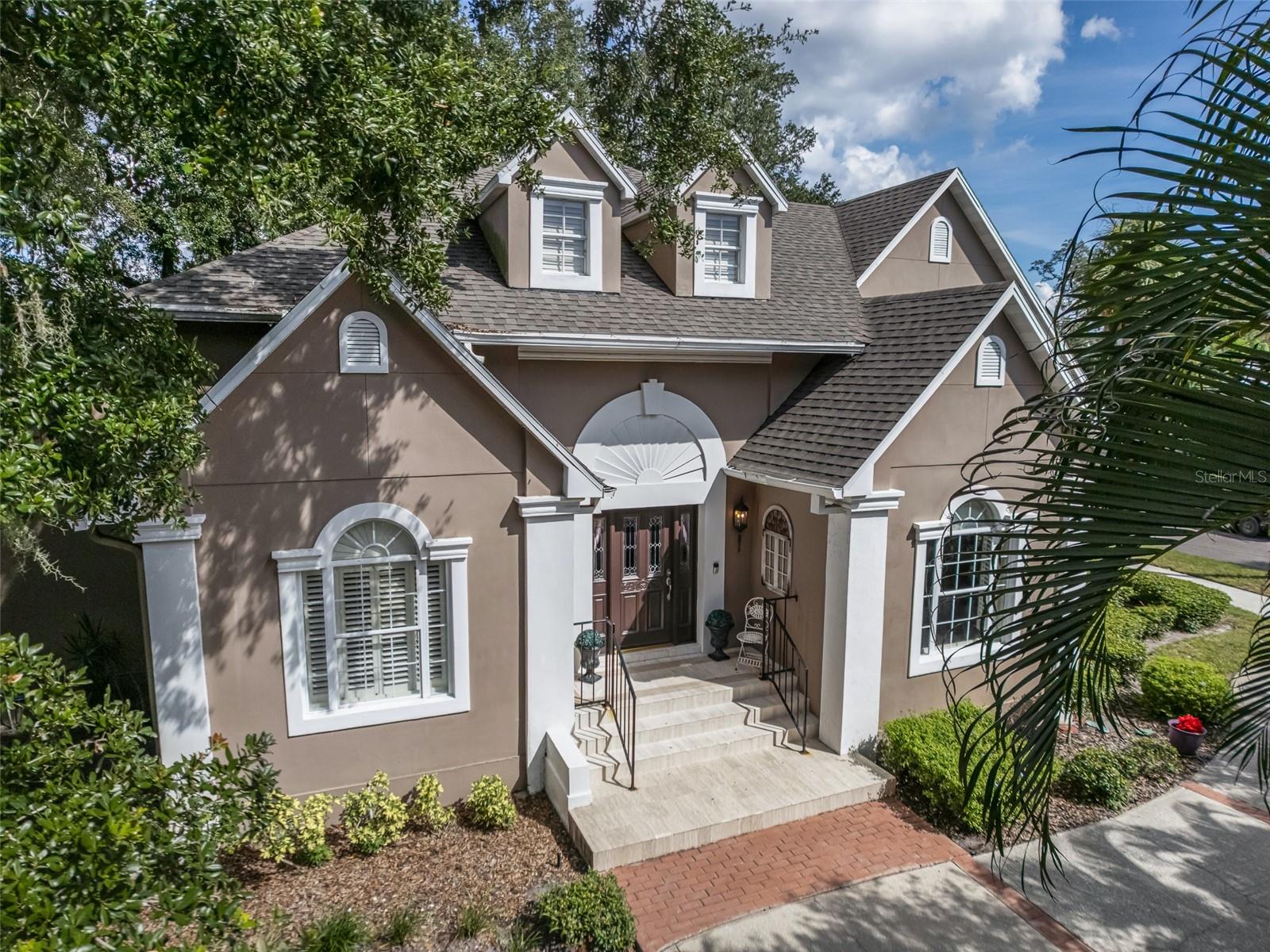
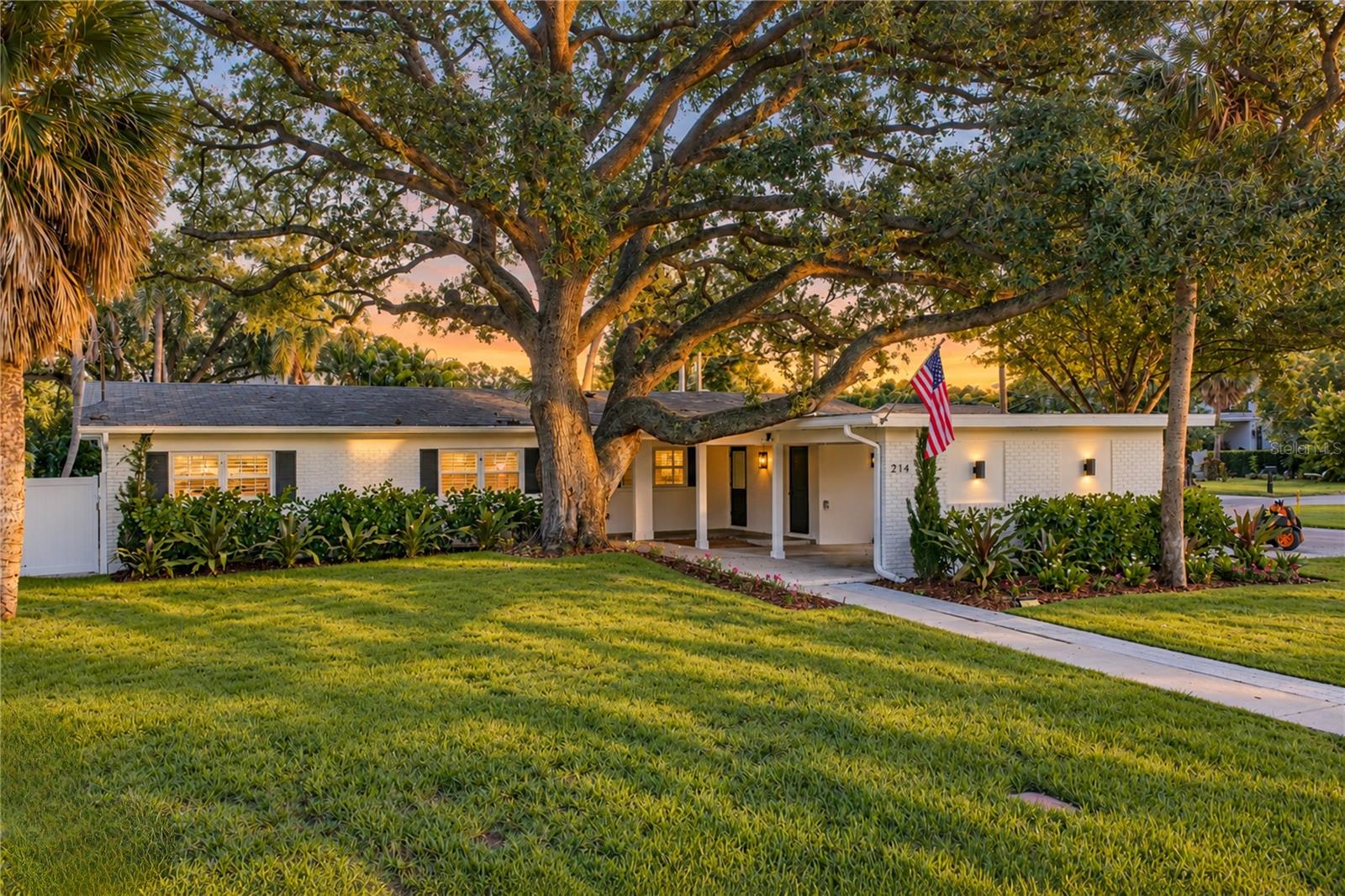
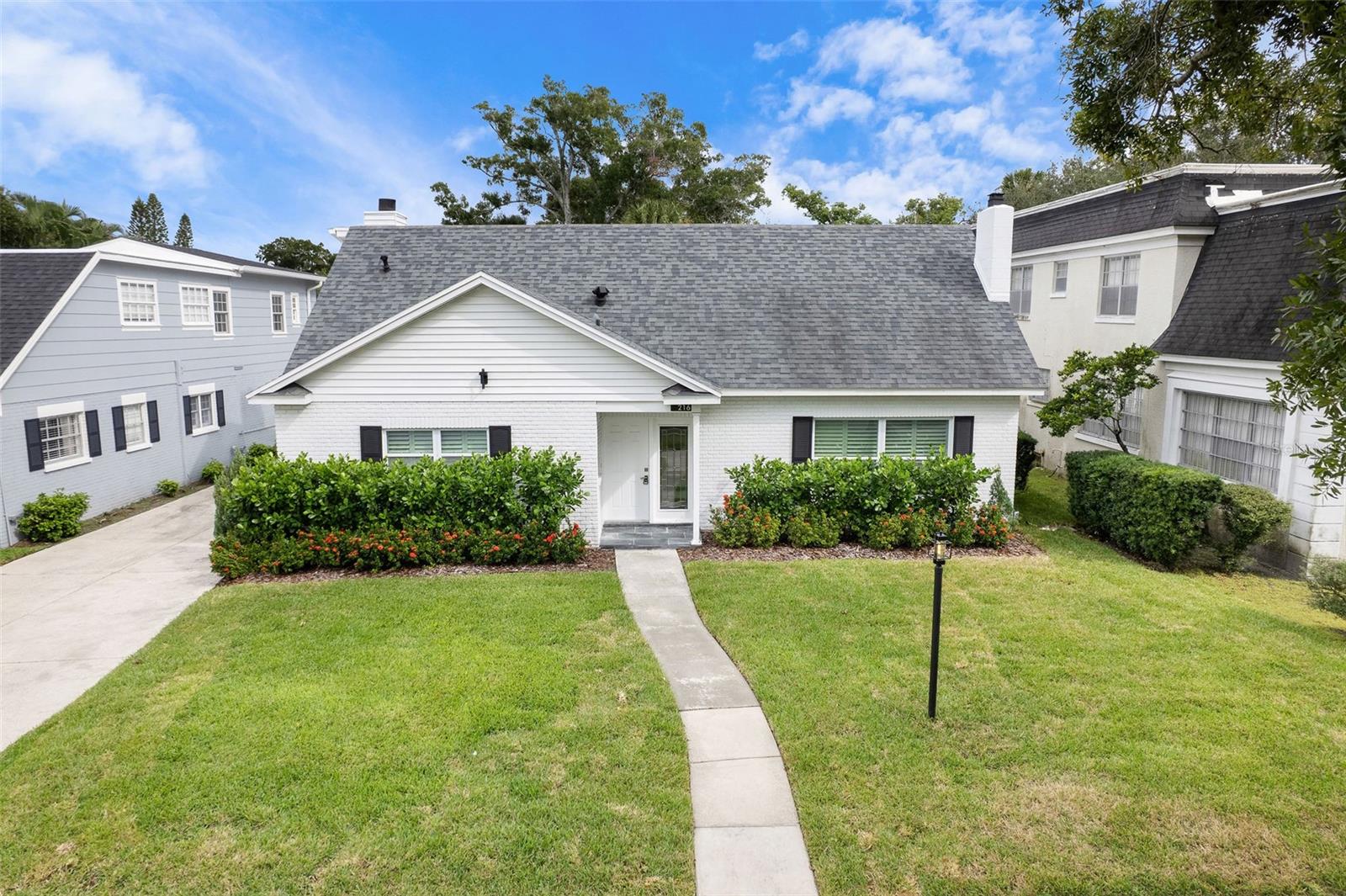
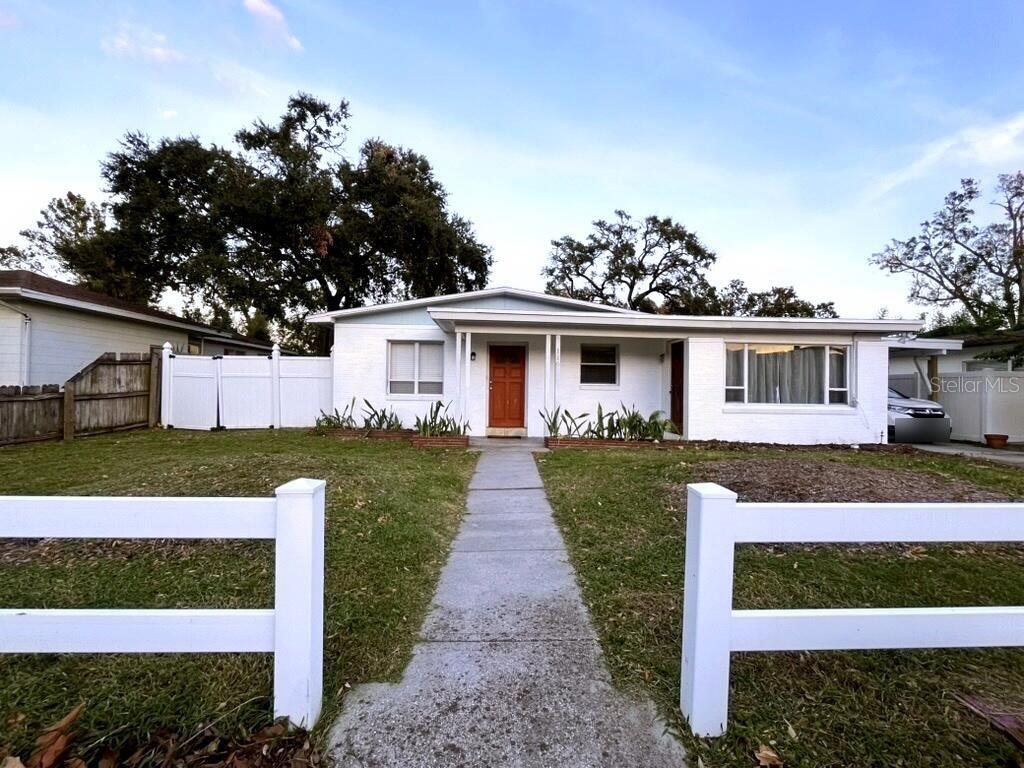
Midcentury ranch homes, renovated traditionals, and a heavy concentration of newer coastal and Mediterranean-style construction
Price range
Roughly $900K to $2M for most homes; bayfront estates $5M to $8M+
Best for
Executives, relocating families, and buyers prioritizing newer construction, larger lots, and top-rated schools
Housing Market & Home Styles
Beach Park's housing stock reflects its evolution. The original midcentury ranch homes still dot the interior streets, many renovated, many awaiting their turn. But the defining trend of the last decade is new construction: builders have replaced smaller original homes with substantial modern coastal and Mediterranean-style residences, particularly on the neighborhood's larger lots. Streets like Beachway Drive, Neptune Way, and Sandpiper Road showcase this transformation.
Pricing reflects the premium positioning. Most single-family homes trade between $900K and $2M, with new construction commanding the upper end. The bayfront properties along the water are a separate market entirely, with estates reaching $5M to $8M+. One local nuance that matters: flood zones vary significantly between the bay side (AE zones) and inland blocks (often Zone X), and that difference shows up directly in insurance costs and pricing.
Schools
Schools are arguably Beach Park's strongest selling point:
- Grady Elementary — A-rated, one of the most sought-after public elementary schools in South Tampa
- Coleman Middle School — serves much of the South Tampa peninsula
- Plant High School — consistently among the Tampa Bay area's top-rated public high schools
The combination of Grady and Plant is a primary driver of relocating-family demand. Private school options are also plentiful in the surrounding area.
Dining & Entertainment
Beach Park itself is residential; the action is a short drive away. Dale Mabry Highway handles daily needs with grocery stores, services, and casual dining. Hyde Park Village and the SoHo district are 10 to 15 minutes east for upscale dining and nightlife. The Westshore district, Tampa's largest office submarket, borders Beach Park and offers business dining and the International Plaza shopping center. Downtown Tampa's Riverwalk, Sparkman Wharf, and Amalie Arena are 15 to 20 minutes away.
Parks & Recreation
Beach Park's quiet streets are themselves a recreational amenity: morning walkers and joggers are a fixture. The neighborhood's proximity to the bay gives boaters easy water access, and several nearby marinas serve the area. Bayshore Boulevard's 4.5-mile waterfront sidewalk is a short drive east. For weekend escapes, Tampa's Gulf beaches are 30 to 40 minutes west, and the Courtney Campbell Causeway offers waterfront recreation to the northwest.
Commute & Location Advantages
Beach Park's location is a practical advantage. The Westshore business district is essentially next door, making it ideal for professionals working in Tampa's largest employment center. Tampa International Airport is about 15 minutes away. Downtown Tampa runs 15 to 20 minutes via the Selmon Expressway or surface streets. For frequent travelers and Westshore professionals, few South Tampa neighborhoods compete on pure logistics.
Who Lives Here & Community Life
Beach Park's population skews toward established professionals: Westshore executives, physicians, attorneys, and relocating families drawn by the schools and the airport proximity. It's a neighborhood of school carpools, youth sports, neighborhood gatherings, and quiet streets rather than nightlife. Many residents work in Westshore or travel frequently, which shapes the practical, low-drama character of community life.
The social infrastructure is family-oriented: school communities at Grady Elementary form fast friendships for newcomers, youth sports leagues are well-subscribed, and the neighborhood's calm streets make it easy for kids to bike and play. Holiday decorating is taken seriously on some blocks, and the overall feel is settled and neighborly without being intrusive.
For relocating buyers, Beach Park offers one of the smoothest landings in Tampa. The combination of top-rated schools, straightforward commutes, newer housing stock, and proximity to everyday shopping on Dale Mabry means the logistics of a move resolve quickly. Many relocating families report feeling at home within weeks, which is not true of every Tampa neighborhood.
Market Trends & What Buyers Should Know
Beach Park's defining market dynamic is the teardown-to-new-construction pipeline. Original midcentury homes on desirable streets are regularly purchased for lot value and replaced with larger modern residences, which means two things for buyers: renovated originals can offer relative value, and new construction quality varies significantly by builder. Work with an agent who knows which builders deliver and which cut corners, because the price tags look similar while the construction does not.
The neighborhood's proximity to the Westshore business district creates a steady stream of relocating executives, many buying on corporate timelines. That corporate relocation demand gives Beach Park a floor of consistent buyer activity that more discretionary neighborhoods lack. Homes priced for the relocation market, typically three to four bedrooms with updated systems, move fastest.
Flood zone diligence is non-negotiable here. The difference between a bay-side AE zone and an inland Zone X block can mean $5,000 to $10,000+ per year in flood insurance, and that cost is fully capitalized into pricing. Two otherwise identical homes on different blocks can justify very different prices purely on insurance. Get the elevation certificate and a flood quote before you write the offer.
Local Insights Only a Tampa Native Would Know
Beach Park versus Hyde Park is the classic South Tampa fork in the road, and the honest answer depends on lifestyle. Hyde Park offers walkability and energy; Beach Park offers space, quiet, and newer homes. Families with young kids often land in Beach Park for the Grady-to-Plant school path and the larger lots. One thing to verify on any Beach Park purchase: the exact flood zone. Bay-side blocks and inland blocks can differ by an entire zone designation, which means thousands per year in insurance. And when evaluating new construction, look closely at builder reputation: the teardown wave brought quality builders and spec flippers alike.
A nuance relocating buyers often miss: Beach Park's "quiet" is a feature, not a bug, but it means the neighborhood can feel sleepy if you're coming from a walkable urban environment. Spend an evening driving the area before committing, and be honest about whether you want energy or calm. Many buyers who think they want Hyde Park's walkability discover they actually want Beach Park's garage, yard, and silence, and vice versa.
For the airport-conscious: the flight paths into Tampa International pass near parts of South Tampa. Beach Park's western sections can hear aircraft on certain approaches. It's background noise for most residents, but visit during a busy travel window if you're sensitive to it.
Frequently Asked Questions
What is the average home price in Beach Park Tampa?
Median sale prices generally run from about $1M to $1.65M, with most homes trading between $900K and $2M. Bayfront estates on the water can reach $5M to $8M+.
Is Beach Park Tampa a good neighborhood?
Beach Park is considered one of South Tampa's premier family neighborhoods, known for quiet tree-lined streets, larger lots, newer construction, A-rated schools, and proximity to the Westshore business district and the airport.
What are the best streets in Beach Park Tampa?
Beachway Drive, Neptune Way, and Sandpiper Road are standout interior streets. West Shore Boulevard forms the eastern edge with bay views, and the bayfront streets hold the neighborhood's most expensive estates.
How are the schools in Beach Park?
Beach Park is zoned for Grady Elementary (A-rated), Coleman Middle School, and Plant High School. The Grady-to-Plant path is one of the strongest public school progressions in the Tampa Bay area.
Is Beach Park Tampa walkable?
Beach Park is primarily a residential, car-dependent neighborhood for errands and dining, though its quiet streets are popular with walkers and joggers. Nearby Hyde Park and SoHo offer walkable dining about 10 to 15 minutes away.
How far is Beach Park from the airport and downtown?
Tampa International Airport is about 15 minutes away, and downtown Tampa is about 15 to 20 minutes. The adjacent Westshore business district is minutes away, making Beach Park ideal for professionals working there.
Is Beach Park Tampa a good investment?
Beach Park benefits from strong fundamentals: limited South Tampa land supply, top-rated schools, proximity to Westshore and the airport, and consistent relocating-executive demand. New construction and well-located renovated homes have historically held value well.
What should I watch out for when buying new construction in Beach Park?
Builder quality varies widely in the teardown wave. Research the builder's track record, verify permits and inspections, and consider an independent inspection even on new builds. Flood zone and elevation also affect insurance costs significantly.
Thinking about buying in Beach Park?
New construction quality, flood zones, and school boundaries vary block by block here. Alan and Stefan are Tampa-born and know Beach Park cold. Talk to ASG.